Rottnest Island
Rottnest Island, located off the coast of Western Australia, holds a somber historical significance due to its role as an Aboriginal penal settlement.
What is the historical significance of Rottnest Island, particularly in relation to Indigenous Australian history?
Rottnest Island, located off the coast of Western Australia, holds a somber historical significance due to its role as an Aboriginal penal settlement.1
Following European settlement in the 1830s, the island was utilized as a prison for Indigenous Australians until 1850. This period represents a painful chapter in colonial history, reflecting the systemic displacement and incarceration of Indigenous peoples. Beyond its use as a penal site, the island later functioned as a juvenile reformatory between 1882 and 1906 and served as a military base during World War II. Today, while the island is recognized as a popular wildlife sanctuary for the quokka, its history remains deeply intertwined with the experiences of the Aboriginal people who were forcibly held there.1
What is the geographical location and size of Rottnest Island?
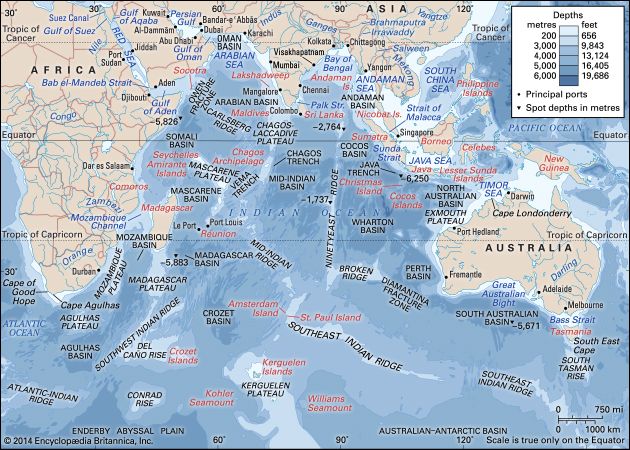
Rottnest Island is located in the Indian Ocean, situated 12 miles (19 km) northwest of Fremantle, Western Australia, near the mouth of the Swan River.1
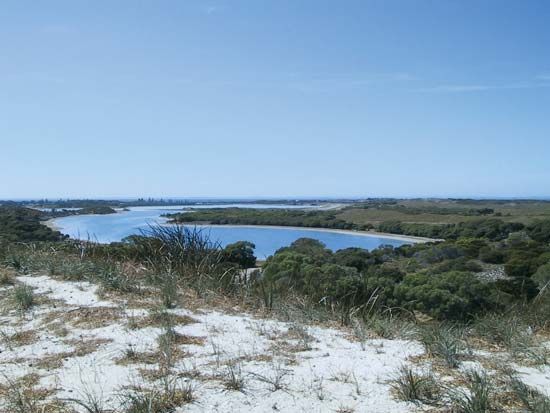
The island is a coastal limestone fragment that measures approximately 7 by 3 miles (11 by 5 km). Its landscape is characterized by sand dunes and several salt lakes.1
Are there any significant cultural or historical landmarks on Rottnest Island?
Rottnest Island features several sites that reflect its diverse and often complex history. While the island is now a popular resort destination, its landmarks serve as reminders of its past roles:
- Aboriginal Penal Settlement: The island served as a prison for Indigenous Australians until 1850. This site remains a significant, albeit somber, historical landmark representing the colonial era’s impact on Indigenous populations.1
- Juvenile Reformatory: Between 1882 and 1906, the island functioned as a reformatory, marking another distinct period in its institutional history.1
- World War II Military Base: The island was utilized as a military base during the Second World War, leaving behind infrastructure from that era.1
- Pilot Station: Established following European settlement in the 1830s, the island served as a pilot station for the nearby port of Fremantle.1
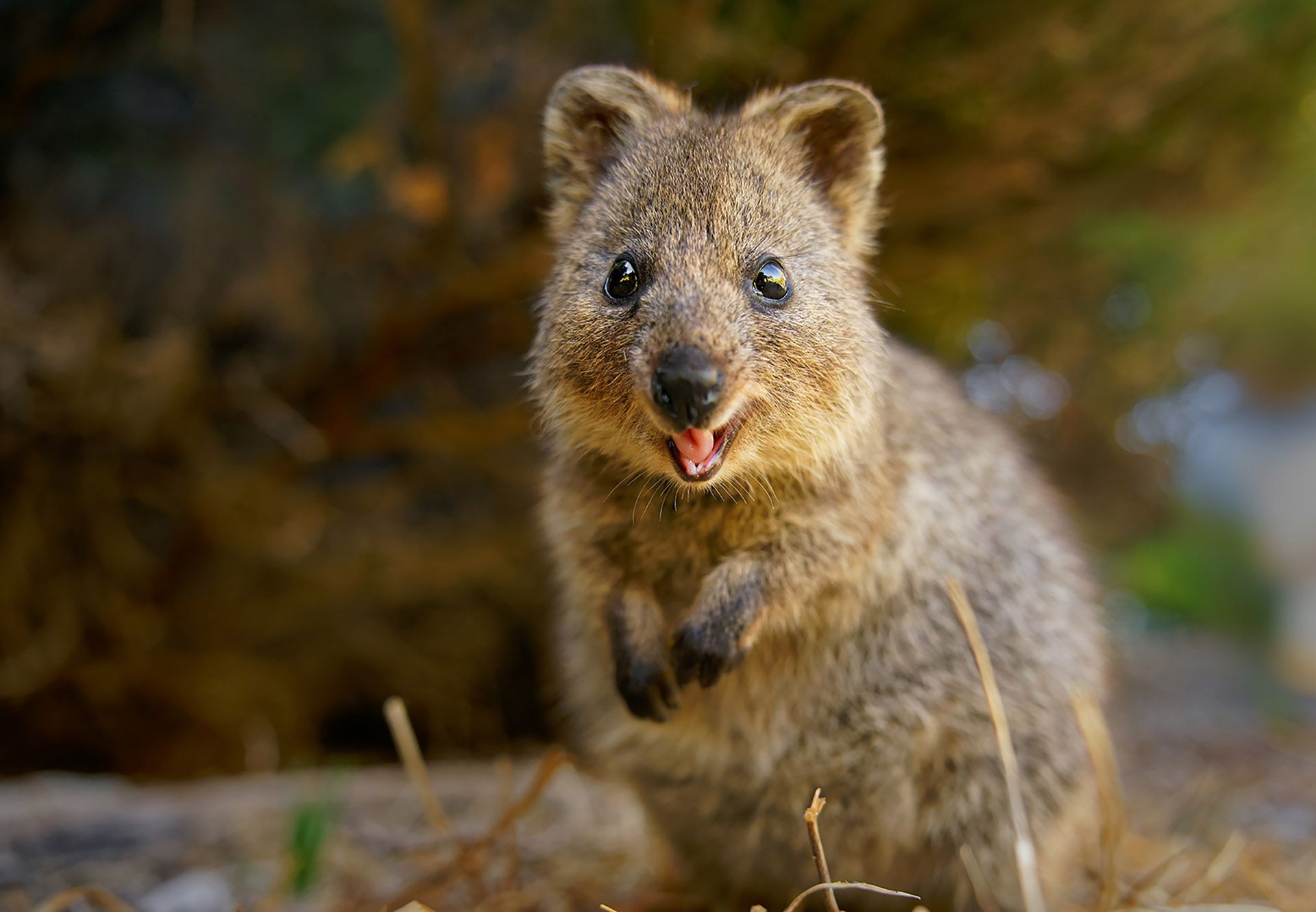
Additionally, the island’s name itself serves as a historical marker; it was named “Rottenest” (meaning “rat’s nest”) by Dutch captain Willem de Vlamingh in 1696, who mistook the native quokkas for large rats.1
What unique flora and fauna can be found on Rottnest Island?
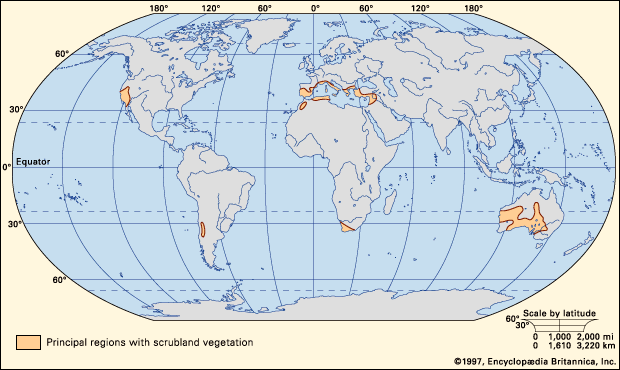
Rottnest Island is primarily recognized for its population of quokkas, which are rare, small marsupials related to the wallaby. These animals are native to the island and are protected by its status as a wildlife sanctuary. While the island’s ecosystem includes various scrublands, woodlands, and wetlands, specific details regarding the unique flora of Rottnest Island are not extensively documented in the provided records.12
The island’s environment, characterized by sand dunes and salt lakes, supports these species, which benefit from the relative lack of competitors often found in island ecosystems.13
Sources
- Rottnest Island — Encyclopædia Britannica
- quokka: Top Questions — Encyclopædia Britannica
- conservation - Insularity — Encyclopædia Britannica
- New Caledonia - Plant and animal life — Encyclopædia Britannica
Published on · 2 min read