Coconut Crab
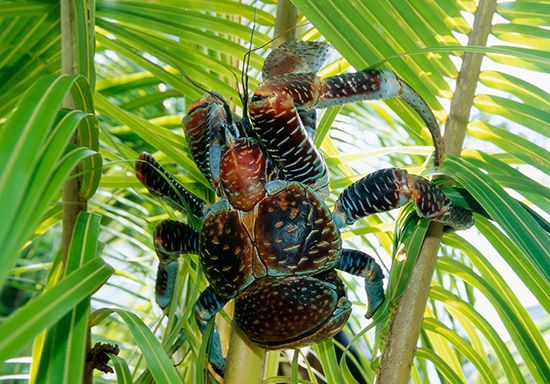
The coconut crab (Birgus latro) is renowned for its immense physical strength, which is primarily concentrated in its massive pincers, or chelae. These…
How do coconut crabs use their powerful claws, and what can they crush with them?
The coconut crab (Birgus latro) is renowned for its immense physical strength, which is primarily concentrated in its massive pincers, or chelae. These powerful claws are capable of exerting a force of up to 3,300 newtons, which is equivalent to approximately 742 pound-force.1
The crab utilizes these pincers to access food sources that are otherwise difficult to reach. Specifically, the coconut crab uses its claws to:
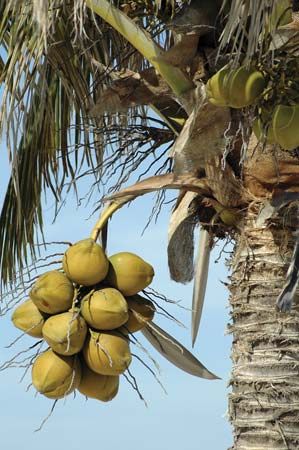
- Pierce and split: It can pierce the tough husk of a coconut and subsequently split the seed open to reach the meat inside.1
- Manipulate objects: Beyond piercing, the crab may strike coconuts repeatedly with its pincers to break them.1
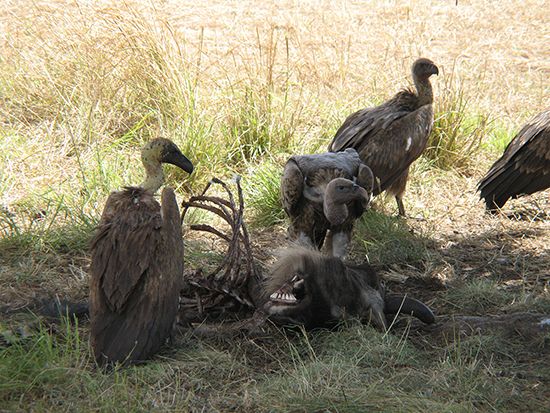
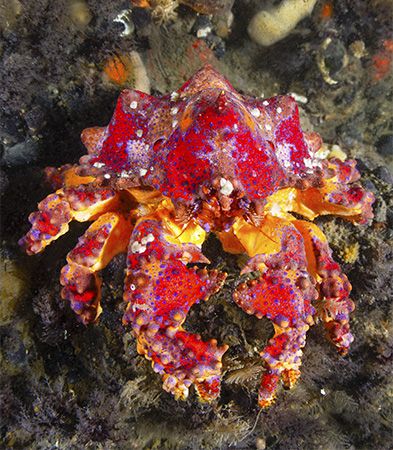
- Scavenge: As a generalist scavenger, the crab also uses its claws to crush the shells of other crabs, which helps the animal ingest necessary calcium.1
Where are coconut crabs typically found in the world?
Coconut crabs (Birgus latro) are primarily found inhabiting islands across the tropical regions of the Indian Ocean and the Pacific Ocean.12
These large, nocturnal crustaceans are widely distributed throughout the southwest portions of these oceans. Because they spend their adult lives on land, they typically reside in burrows during the day, though they require access to the sea for their early larval development.12
What is the life cycle of a coconut crab, from larva to adult?
The life cycle of the coconut crab begins in the ocean and transitions through several distinct stages before the animal reaches maturity on land.1
- Larval Stage: The female releases her eggs directly into the sea, where they hatch into microscopic, swimming larvae known as zoeas. During this aquatic phase, which lasts 20 to 30 days, the zoeas feed on small organisms.1
- Intermediate Stage: The zoea develops into a glaucothoe. In this stage, the crab leaves the water and seeks out a seashell to inhabit for protection, a behavior similar to that of a hermit crab. This phase lasts for three to four weeks.1
- Metamorphosis: After its time in the shell, the crab discards it and buries itself in moist sand to undergo its final transformation into a small adult.1
- Adulthood: Once fully developed, the crab lives entirely on land, typically spending daylight hours in burrows that can reach up to 0.6 meters (2 feet) in depth.1
What role do coconut crabs play in their ecosystem?
Coconut crabs (Birgus latro) function primarily as generalist scavengers within their island ecosystems. Their role involves consuming a varied diet that includes fallen fruit, carrion, and the shells of other crabs, which helps them ingest necessary calcium for their growth.1
By breaking open coconuts using their powerful pincers—which can exert a force of up to 3,300 newtons—they access food sources that might otherwise be unavailable to other animals. As omnivorous scavengers, they contribute to the nutrient cycling of their environment by processing organic matter.12
Sources
- coconut crab — Encyclopædia Britannica
- coconut crab — Merriam-Webster
- crab — Encyclopædia Britannica
Published on · 2 min read