Rosemary
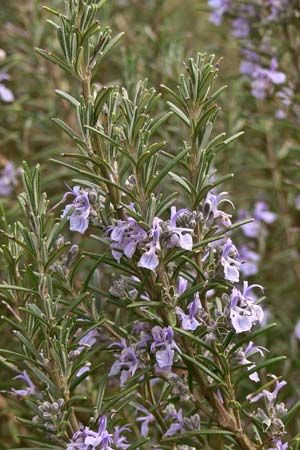
Rosemary (Salvia rosmarinus) has a long history of traditional use in medicine and ritual, dating back thousands of years in the Mediterranean region.…
What are some of the traditional medicinal uses of rosemary?
Rosemary (Salvia rosmarinus) has a long history of traditional use in medicine and ritual, dating back thousands of years in the Mediterranean region. Historically, it was valued for its perceived ability to banish disease and evil spirits, often being burned as incense in ancient Greece and Rome or used for purification in homes and hospitals during the Middle Ages.1
In traditional medicinal practices, rosemary has been utilized in the following ways:
- Digestive Aid: It has been used to support digestive health.1
- Stimulant: The plant has traditionally served as a stimulant.1
- Tonics and Liniments: It is a common constituent in various herbal tonics and topical liniments.1
- Antiseptic: Its fragrant oil, extracted through distillation, is used in antiseptic solutions.1
Additionally, modern research suggests that the scent of rosemary may help enhance memory and concentration, a property historically associated with the plant in ancient cultures.1
What is the scientific name of rosemary and which plant family does it belong to?
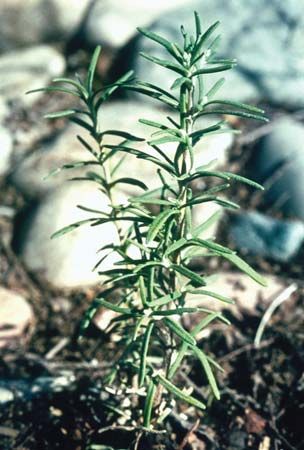
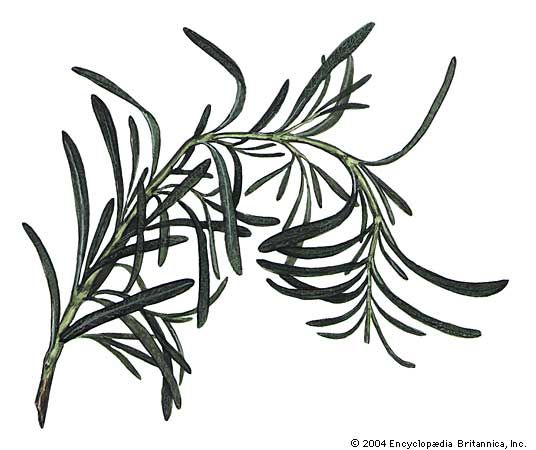
The scientific name of rosemary is Salvia rosmarinus. It belongs to the mint family, known as Lamiaceae.13
While it was formerly classified as Rosmarinus officinalis and placed in the genus Rosmarinus, the plant’s taxonomy was revised in 2017 to reflect its current placement within the genus Salvia.1
What are the culinary uses of rosemary in various cuisines?
Rosemary (Salvia rosmarinus) is a versatile herb prized for its pungent, slightly bitter flavor. Whether used fresh or dried, its leaves are a staple seasoning in kitchens across the globe.1
Its culinary applications include:
- General Seasoning: It is commonly used to flavor a variety of dishes, including meats, vegetables, and soups.1
- Baking: The herb is frequently incorporated into baking recipes to add an aromatic depth.1
- Infusions: Rosemary is often used to create infused oils and herbal teas.1
- Beverages: Beyond teas, the plant is also utilized in the production of vermouth.1
Due to its strong flavor profile, it is a popular choice for enhancing both savory meals and specific drink preparations.1
How does the aroma of rosemary affect memory and concentration?
The provided search results indicate that while rosemary has been historically associated with memory since ancient times—often being burned as incense in Greece and Rome for this purpose—modern research also suggests that its scent may enhance memory and concentration.1
Beyond its traditional symbolic role as an emblem of remembrance, the plant’s fragrant oil, which is extracted through distillation, contains components like borneol that contribute to its aromatic properties. While these findings highlight a potential cognitive benefit, the scientific literature generally points to these historical and contemporary associations as the basis for its reputation in supporting mental focus.1
Sources
- rosemary — Encyclopædia Britannica
- rosemary — Merriam-Webster
- Lamiales - Lamiaceae — Encyclopædia Britannica
Published on · 2 min read