Diviner’s Sage
Diviner’s sage (Salvia divinorum) is a hallucinogenic plant in the mint family native to the highlands of Oaxaca, Mexico. Historically, Mazatec shamans have…
What is Diviner’s sage?
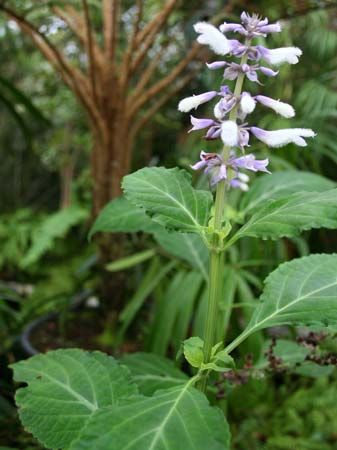
Diviner’s sage (Salvia divinorum) is a hallucinogenic plant in the mint family native to the highlands of Oaxaca, Mexico. Historically, Mazatec shamans have used the plant in spiritual rituals, healing ceremonies, and as a medicinal herb.12
The plant contains an active ingredient called salvinorin A, which is among the most potent naturally occurring hallucinogens. When consumed—typically by smoking, inhaling, or eating—it activates specific nerve cell receptors, inducing intense but short-lived effects such as vivid visions, altered perceptions of self and time, and feelings of detachment.12
While the plant is often noted for low toxicity and low addiction potential, it carries significant risks. High doses can cause serious psychotic disturbances, and the substance may negatively impact cognition or precipitate psychiatric symptoms in vulnerable individuals. Because of these risks, it is essential to approach such substances with extreme caution and prioritize mental health and safety.2
How do Mazatec shamans traditionally use this plant?
Mazatec shamans in the mountainous regions of northern Oaxaca, Mexico, have a long-standing tradition of using diviner’s sage (Salvia divinorum) for specific cultural and spiritual purposes.21
Traditionally, these shamans ingest the plant’s fresh leaves or consume preparations made from them to facilitate three primary functions:
- Spiritual Rituals: The plant is used to achieve altered states of consciousness, which are often sought to gain spiritual insight or connect with the divine.31
- Healing Ceremonies: It is employed as a medicinal herb within the context of traditional healing practices to address various ailments.21
- Divination: As the name implies, the plant is utilized by practitioners to access hidden knowledge or guidance, serving as a tool for their role as spiritual intermediaries.23
These practices are deeply rooted in the Mazatec culture, where the plant is respected for its psychoactive properties and its perceived ability to bridge the gap between the physical and spiritual worlds.31
What is the role of salvinorin A in the brain?
Salvinorin A, the primary active ingredient in diviner’s sage, functions as a potent hallucinogen by interacting with specific receptors in the brain. Unlike many other hallucinogens that primarily affect serotonin receptors, salvinorin A acts as a highly selective agonist for kappa-opioid receptors.
By binding to these receptors, the compound alters normal neurological signaling, leading to profound changes in perception and consciousness. Users often experience vivid, dreamlike hallucinations, spatiotemporal dislocation—where one feels present in multiple locations simultaneously—and a distorted sense of self and time.
While the substance is noted for its intense but short-lived effects, it carries significant neurological risks. It can induce delirium, paranoia, and, at higher doses, serious psychotic disturbances that may persist long after the initial effects have faded. Furthermore, research indicates that salvinorin A can negatively impact cognition and potentially trigger psychiatric symptoms in vulnerable individuals. Given these risks, it is vital to prioritize safety and recognize the potential for severe psychological harm.2
What are other examples of plants in the mint family?
The mint family (Lamiaceae) is a diverse group of aromatic plants characterized by their square stems, opposite leaves, and tubular, two-lipped flowers. Beyond the well-known mints, the family includes many economically important herbs, food crops, and ornamentals.5678
Common examples of plants in the mint family include:
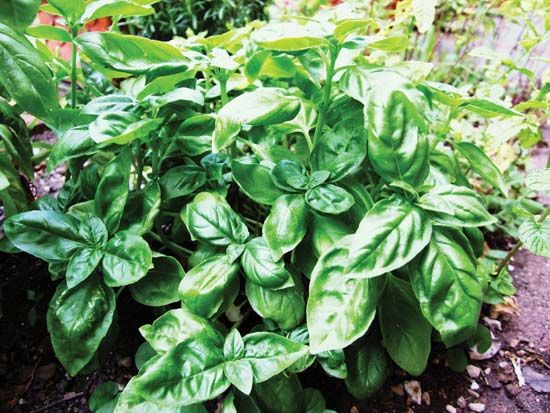
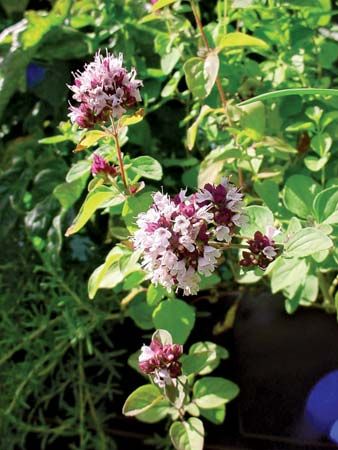
- Culinary Herbs: Basil, oregano, marjoram, rosemary, sage, thyme, and savory.58
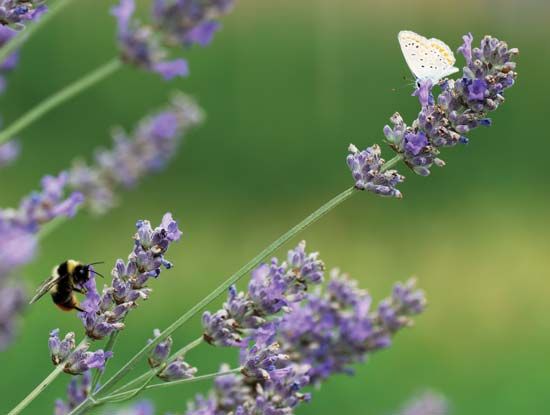
- Aromatic and Medicinal Plants: Lavender, lemon balm, catnip, hyssop, horehound, and patchouli/horehound), and patchouli.58
- Ornamentals: Bee balm, coleus, lamb’s ears, and bells of Ireland.58
- Other Notable Species: Chia, which is cultivated for its edible seeds, and the chaste tree.589
The family is vast, containing over 7,000 species across more than 200 genera, ranging from small herbs to woody shrubs.81
Sources
- 9 Mind-Altering Plants - Salvia ( Salvia divinorum ) — Encyclopædia Britannica
- Diviner’s sage — Encyclopædia Britannica
- Mazatec — Encyclopædia Britannica
- drug cult - History of drug use in religion — Encyclopædia Britannica
- list of plants in the family Lamiaceae — Encyclopædia Britannica
- Mint — Encyclopædia Britannica
- list of economically important members of the family Lamiaceae — Encyclopædia Britannica
- Lamiales - Main families — Encyclopædia Britannica
- Lamiales — Encyclopædia Britannica
- Salvia — Encyclopædia Britannica
Published on · 3 min read