Rye
Rye (Secale cereale) cultivation is distinct from other cereals like wheat and barley primarily due to its superior hardiness and environmental adaptability.
How does rye cultivation differ from other cereal crops like wheat or barley?
Rye (Secale cereale) cultivation is distinct from other cereals like wheat and barley primarily due to its superior hardiness and environmental adaptability.1
- Environmental Tolerance: Rye possesses the greatest winter hardiness of all small grains, allowing it to thrive in high altitudes and northern latitudes, including the Arctic Circle. It is frequently cultivated in climates and soils that are too unfavorable or infertile for wheat.12
- Disease Susceptibility: Rye is notably more susceptible to ergot (Claviceps purpurea), a parasitic fungus, than wheat. This fungus forms dark, toxic masses that can cause illness if ingested, requiring careful removal during milling.341
- Agricultural Use: Beyond grain production, rye is often utilized as a green manure crop to improve soil quality, a practice less commonly associated with wheat or barley.1
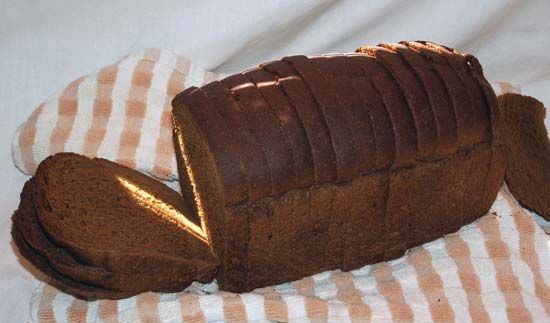
While both wheat and rye contain gluten, rye’s protein lacks the elasticity of wheat, resulting in denser, closer-grained bread that is typically leavened with sourdough rather than yeast.13
What are the main varieties of rye grown worldwide?
The provided search results do not contain information regarding specific named varieties of rye grown worldwide. While the literature notes that rye height can vary between 1 to 2 meters depending on the variety, it does not categorize or list the specific types or cultivars currently in production.1
Rye is primarily classified by its cultivation cycle—typically as a winter crop—and is grown extensively across Europe, Asia, and North America, with Russia, Poland, Belarus, Germany, and Ukraine serving as the principal producers.12
How has rye been used in traditional medicine and folklore?
While rye itself is primarily a food crop, its historical relationship with medicine and folklore is defined by its susceptibility to ergot, a parasitic fungus (Claviceps purpurea) that infects the grain.67
In the Middle Ages, the consumption of flour milled from infected rye led to ergotism, a condition historically known as St. Anthony’s Fire. This illness caused severe symptoms including hallucinations, convulsions, and gangrene, which were often misunderstood and surrounded by folklore before the fungal cause was identified in 1670.6
Despite these dangers, the fungal sclerotia (the hardened mass of the fungus) have been utilized in modern medicine. Scientists derived alkaloids from ergot to create:
- Ergonovine: Used in obstetrics to manage postpartum hemorrhage.6
- Ergotamine: Employed in the treatment of migraine headaches.6
Additionally, ergot serves as the source for lysergic acid, the precursor for the hallucinogen LSD.6
What are some common uses of rye in food production and cuisine?
Rye (Secale cereale) is a versatile cereal grain primarily utilized in the production of bread and rye whiskey.1
Culinary Uses
- Bread Production: Rye is the only cereal besides wheat capable of producing a loaf of bread, though it lacks the same elasticity and produces a denser, closer-grained texture. Because it is often aerated using sourdough rather than yeast, it has a distinct profile.18
- Black Bread: A dark loaf made entirely from rye flour.1
- Pumpernickel: A traditional dark brown bread made from unsifted rye flour, historically a staple in central and eastern Europe.1
- Blended Breads: Many popular rye breads in the United States and Europe are made by mixing rye with wheat or other flours to achieve a lighter color and texture.18
- Distilled Spirits: Rye grain is used extensively in the production of rye whiskey, particularly in Canada and the United States. It is valued in the distilling industry primarily for the unique flavor characteristics it imparts to the final spirit.2
Sources
- Rye — Encyclopædia Britannica
- Cereal processing - Rye — Encyclopædia Britannica
- Cereal farming - Fungus diseases — Encyclopædia Britannica
- Cereal farming - Insects — Encyclopædia Britannica
- Cereal farming - Cultivation of wheat — Encyclopædia Britannica
- Ergot — Encyclopædia Britannica
- rye — Merriam-Webster
- rye whiskey — Encyclopædia Britannica
- distilled spirit - Starchy materials — Encyclopædia Britannica
- rye bread — Merriam-Webster
Published on · 3 min read