Triticale
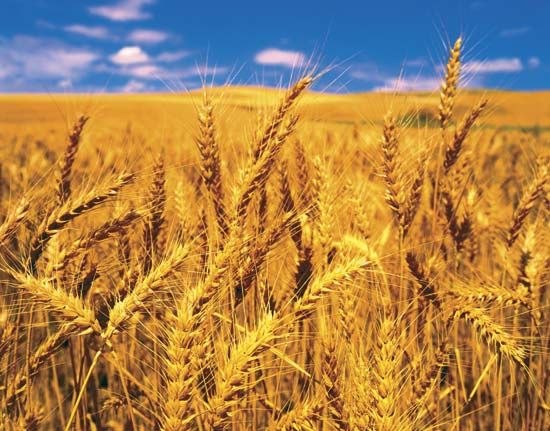
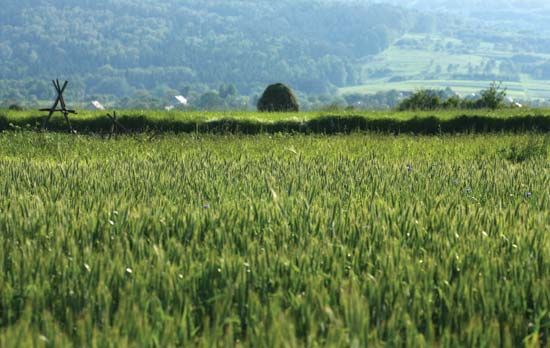
Triticale is a hybrid cereal grain created by crossing wheat and rye. Its name is derived from a blend of the scientific names for its parent genera…
What is Triticale?
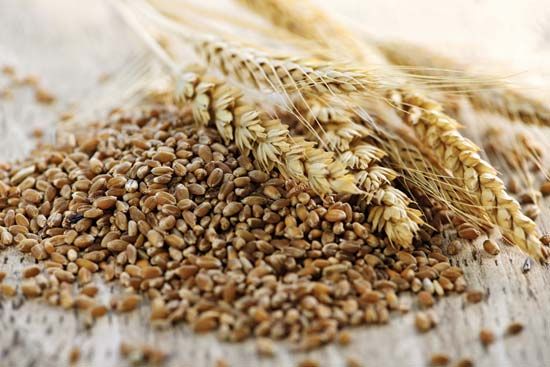
Triticale is a hybrid cereal grain created by crossing wheat and rye. Its name is derived from a blend of the scientific names for its parent genera, Triticum (wheat) and Secale (rye).12
Developed for its high yield and rich protein content, triticale is notable for its resilience; while its yield is comparable to wheat under favorable conditions, it often outperforms wheat in poor environmental conditions. Although its flour is generally considered unsuitable for breadmaking on its own, it is frequently blended with wheat flour for various uses. The first fertile cross of this grain was reported in 1888, and today, major global production occurs in countries such as Russia, the United States, and Australia.12
How do scientists create hybrid plants?
Scientists create hybrid plants by controlling the mating of selected individuals to combine desirable traits, a process rooted in the application of genetic principles. The primary goal is often to exploit heterosis, or “hybrid vigour,” where the first-generation (F1) offspring exhibit superior characteristics—such as increased yield, growth rate, or fertility—compared to their parents.345
Methods of Hybridization
- Controlled Pollination: For many species, breeders manually transfer pollen from a chosen male parent to the stigma of a female parent. In self-pollinating plants, this requires removing the male organs (stamens) from the female flower to prevent self-fertilization and bagging the flower to protect it from unwanted foreign pollen.6
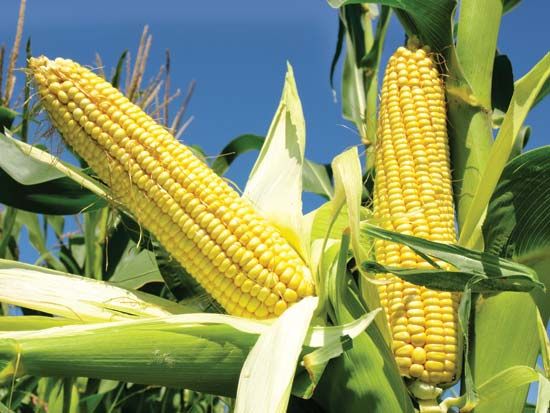
- Cytoplasmic Male Sterility: To make large-scale production more economical, breeders use a cellular system called cytosterility. This prevents the development of functional pollen in the seed-bearing parent, eliminating the need for manual labor like detasseling in corn. The sterile plants are then pollinated by a fertile strain in an isolated field to ensure all resulting seeds are F1 hybrids.57
- Pedigree and Bulk Methods: These procedures manage the genetic diversity following a cross. The pedigree method involves meticulous record-keeping and selection over several generations to isolate pure-breeding lines, while the bulk-population method allows for the inexpensive handling of large numbers of individuals, relying on natural and artificial selection to favor superior traits.8
What are the main differences between wheat and rye?
Wheat and rye are both important cereal grains, but they differ significantly in their agricultural requirements, culinary properties, and physical characteristics.
Agricultural Adaptability
- Hardiness: Rye possesses the greatest winter hardiness of all small grains and can thrive in climates and soils that are too cool or infertile for wheat cultivation.1112
- Soil Requirements: While wheat requires relatively fertile soil, rye and barley can be grown in less fertile conditions.12
Culinary and Processing Differences
- Breadmaking: Both grains contain gluten, but wheat is superior for breadmaking due to the elasticity of its protein. Rye flour lacks this elasticity, resulting in a closer-grained, heavier loaf that is often aerated using sourdough rather than yeast.111314
- Varieties: Wheat is categorized into types like Triticum vulgare (bread wheat), T. durum (pasta), and T. compactum (confectionery), with “strong” or “weak” designations based on protein content. Rye is primarily used for rye bread, whiskey, and as livestock feed.1311
Biological Considerations
Why is it difficult to make bread from triticale flour?
Making bread from triticale flour is challenging because it lacks the ideal baking properties found in pure wheat flour. While triticale is a high-yield, protein-rich hybrid of wheat and rye, its flour is generally considered unsuitable for traditional breadmaking on its own.
The difficulty arises because the grain inherits characteristics from both parents that interfere with the formation of the strong, elastic gluten network required to trap gas and produce a light, airy loaf. Consequently, triticale is most effectively used when blended with wheat flour to improve the dough’s structural integrity.
Sources
- Triticale — Encyclopædia Britannica
- triticale — Merriam-Webster
- Heterosis — Encyclopædia Britannica
- Plant breeding - Hybrid varieties — Encyclopædia Britannica
- Plant breeding - Hybridization — Encyclopædia Britannica
- Plant breeding - Mating systems — Encyclopædia Britannica
- Plant breeding - Hybrid varieties — Encyclopædia Britannica
- Plant breeding — Encyclopædia Britannica
- genetics - Agriculture and animal husbandry — Encyclopædia Britannica
- artificial selection — Merriam-Webster
- Rye — Encyclopædia Britannica
- Cereal processing - Rye — Encyclopædia Britannica
- Cereal farming - Cultivation of wheat — Encyclopædia Britannica
- Cereal processing - Wheat: varieties and characteristics — Encyclopædia Britannica
Published on · 3 min read