Salvia
The genus Salvia, commonly known as sage, has been utilized in culinary applications for centuries, primarily as an aromatic flavoring agent.
How has salvia been used in culinary applications throughout history?
The genus Salvia, commonly known as sage, has been utilized in culinary applications for centuries, primarily as an aromatic flavoring agent.12
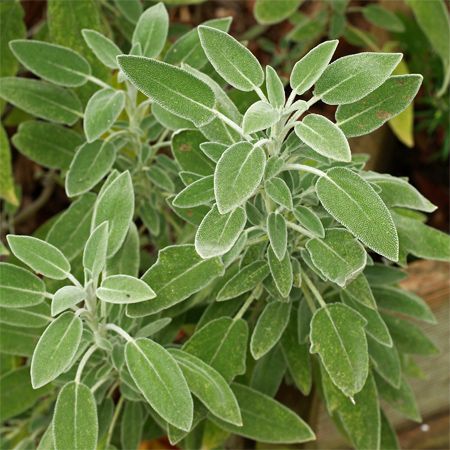
Salvia officinalis, or common sage, is the most prominent culinary species. Its pungent, grayish-green leaves are frequently used fresh or dried to season poultry, pork, and various sausages. Other species within the genus also contribute to culinary traditions:13
- Rosemary (Salvia rosmarinus): Valued for its fragrant leaves.2
- Clary sage (Salvia sclarea): Its foliage is used for flavoring.2
- Chia (Salvia hispanica): Cultivated commercially for its edible seeds.2
Historically, the use of Salvia extends beyond seasoning. In medieval Europe, sage leaves were brewed into a tonic tea, and the plant was believed to strengthen memory and promote wisdom. Additionally, in some traditions, sage has been consumed as a tea for medicinal purposes, such as cough relief. While some Salvia species like S. divinorum have a history of use in shamanic rituals for their hallucinogenic properties, these are distinct from the culinary herbs used in food preparation.142
What are the main differences between annual and perennial salvia species?
The primary difference between annual and perennial Salvia species lies in their life cycle and longevity. While the genus Salvia is generally characterized as perennial—meaning these plants live for an indefinite number of years and typically regrow their top growth seasonally—some species are classified as annuals.52
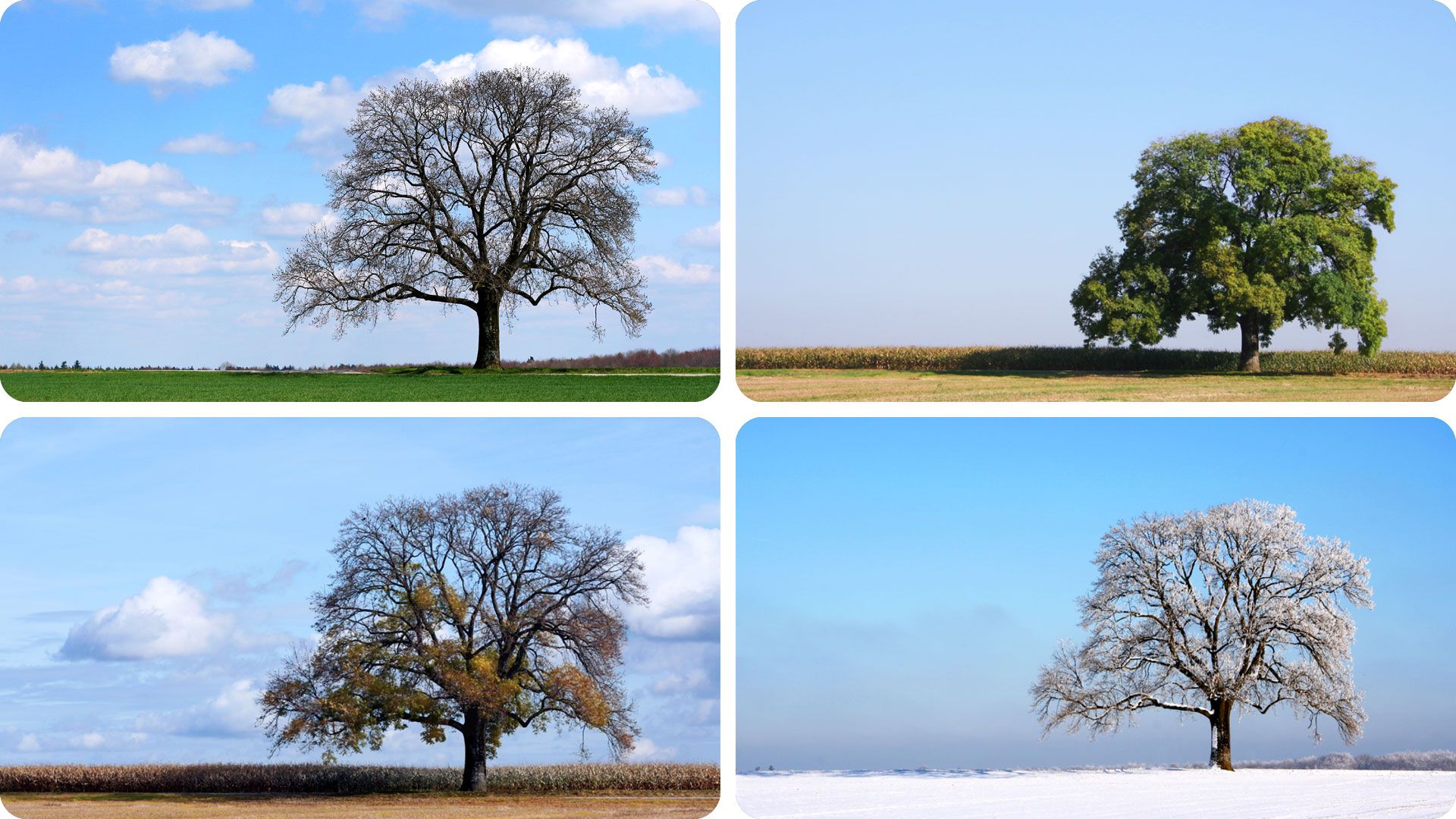
- Annual Salvia: These plants complete their entire life cycle—germination, growth, flowering, and seed production—within a single growing season. Once the season ends, the plant dies and must be replaced the following year. A well-known example is the scarlet sage (S. splendens), which is frequently grown in gardens for its vibrant, blazing flower spikes.52
- Perennial Salvia: These species are capable of persisting for several years. They are often woody or herbaceous plants that renew their growth from a perennating part, allowing them to return year after year. Common sage (S. officinalis) and rosemary (S. rosmarinus) are examples of woody perennials.52
Additionally, some species, such as clary sage (S. sclarea), are biennial, meaning they complete their life cycle over two years biennial](https://www.britannica.com/science/biennial), meaning they complete their life cycle over two years.2
What is salvia and which plant family does it belong to?
Salvia is a large genus comprising approximately 960 species of herbaceous and woody plants. It belongs to the mint family, known as Lamiaceae.26
Plants within this genus are typically aromatic and feature square stems with oppositely arranged leaves. Their flowers are generally tubular with two lips, and they produce small, dry fruits known as nutlets. Members of the genus are distributed worldwide and include a variety of forms, ranging from garden ornamentals and culinary herbs—such as common sage and rosemary—to species cultivated for their edible seeds, like chia. While many species are valued for their fragrance and beauty, the genus also includes the diviner’s sage (S. divinorum), which is known for its hallucinogenic properties.27
What are the different species of salvia and their unique characteristics?
The genus Salvia is highly diverse, encompassing approximately 960 species of herbaceous and woody plants within the Lamiaceae family. These plants are distributed globally, with significant diversity in the Mediterranean and the Americas. While they share common traits—such as square stems, oppositely arranged leaves, and two-lipped tubular flowers—individual species exhibit distinct characteristics and uses.2
Notable Salvia Species
- Common Sage (S. officinalis): A woody perennial native to southern Europe, growing to about 60 cm. It is widely cultivated for its aromatic, wrinkled leaves, which serve as a staple culinary herb.29
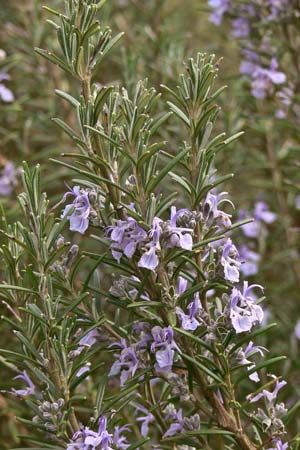
- Rosemary (S. rosmarinus): Known for its fragrant, narrow leaves and small bluish flowers, this woody perennial is another essential culinary herb native to southern Europe.2
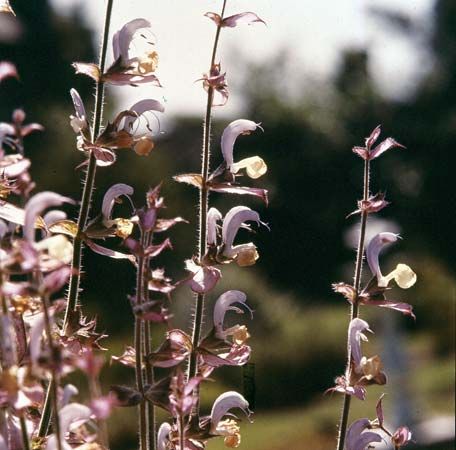
- Clary Sage (S. sclarea): A taller biennial herb featuring strong-smelling, hairy, heart-shaped leaves and pinkish or violet-flushed bracts.2
- Scarlet Sage (S. splendens): A popular garden annual from Brazil, prized for its vibrant, blazing scarlet flower spikes that contrast with dark green foliage.21
- Wagner’s Salvia (S. wagneri): A spectacular, treelike shrub native to Guatemala that can exceed 4 metres in height, featuring large spikes of woolly scarlet flowers.2
- Blue Sage (S. farinacea): Native to the hills of southwestern North America, this species produces bright blue flowers following rainfall.2
- Chia (S. hispanica): Cultivated commercially for its highly nutritious edible seeds.2
- Diviner’s Sage (S. divinorum): A perennial native to Mexico, distinct for its potent hallucinogenic properties. It contains salvinorin A, which induces intense, short-lived psychological effects. Historically used in shamanic rituals, it is now often used as a recreational drug.26
We could dive deeper into the specific cultivation requirements for these species or explore the history of their medicinal and culinary applications.
Sources
- sage — Encyclopædia Britannica
- Salvia — Encyclopædia Britannica
- four sacred medicines: Top Questions — Encyclopædia Britannica
- sage — Merriam-Webster
- Is That Plant 'Perennial' or 'Annual'? — Merriam-Webster
- salvia — Merriam-Webster
- Lamiales - Main families — Encyclopædia Britannica
- Lamiaceae — Encyclopædia Britannica
- Diviner’s sage — Encyclopædia Britannica
Published on · 4 min read