Saranac Lakes
The Saranac Lakes are a chain of three lakes—Upper, Middle, and Lower—located in the Adirondack Mountains of northeastern New York, U.S. Situated at an…
What is Saranac Lakes?
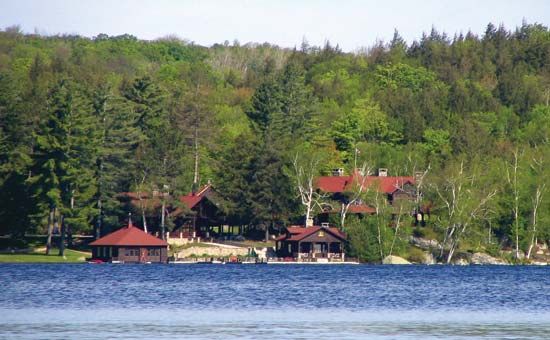
The Saranac Lakes are a chain of three lakes—Upper, Middle, and Lower—located in the Adirondack Mountains of northeastern New York, U.S. Situated at an elevation of 1,540 feet (469 meters), these lakes are central to the local economy, which relies primarily on tourism and wood-based industries.1
It is important to distinguish the lakes from the nearby village of Saranac Lake. While the lakes form a natural chain, the village is a year-round resort community situated on Flower Lake. Historically, the village gained fame as a center for the open-air treatment of tuberculosis following the establishment of a sanatorium by Edward L. Trudeau in 1884. Today, the village remains a hub for winter sports, including skiing, and serves as a cultural site with historical connections to figures like Robert Louis Stevenson.12
What are the Adirondack Mountains known for?
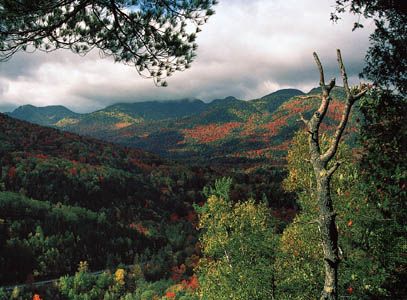
The Adirondack Mountains are renowned for their vast, primitive natural landscape and their status as the largest state or national park in the U.S. outside of Alaska. Key features and attractions include:
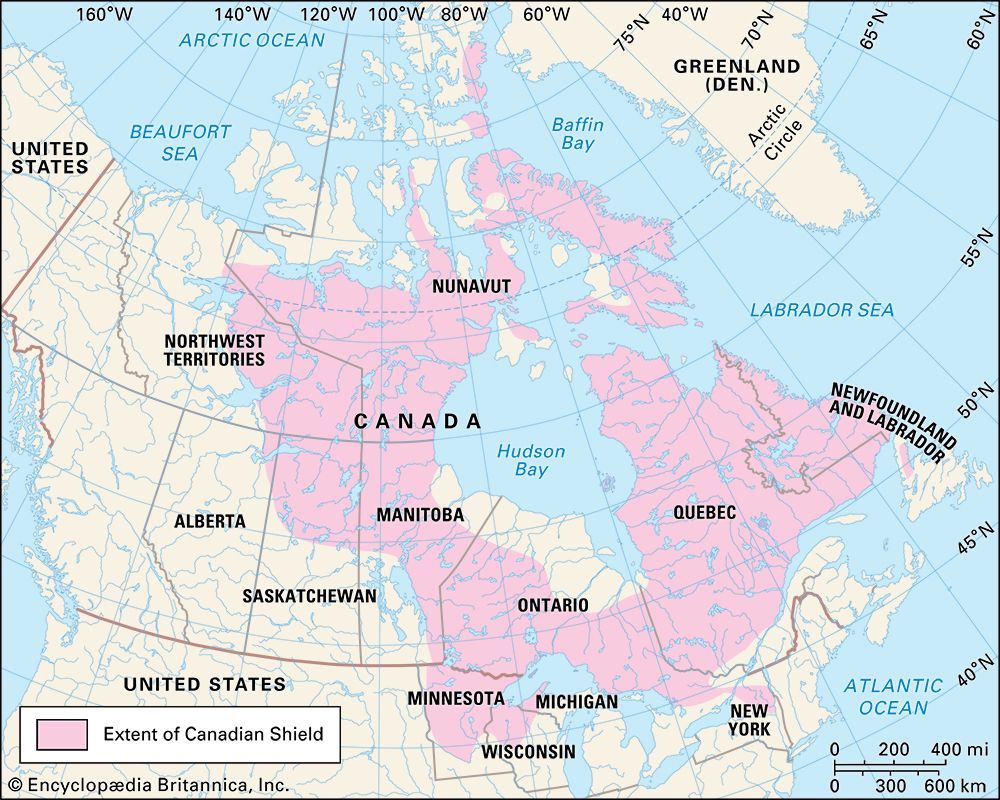
- Geological Significance: Formed over a billion years ago, the region is geologically related to the Canadian Shield. It features over 40 peaks exceeding 4,000 feet, including Mount Marcy, the highest point in New York state.
- Water Features: The area is noted for its spectacular scenery, including approximately 2,300 lakes and ponds, as well as numerous gorges and waterfalls created by Pleistocene Epoch glaciation.
- Recreation: The region is a premier destination for outdoor activities such as hiking, canoeing, camping, and swimming. It is particularly famous for winter sports, having hosted the(https://www.britannica.com/event/Lake-Placid-1932-Olympic-Winter-Games) and .com/event/Lake-Placid-1932-Olympic-Winter-Games) and 1980 Olympic Winter Games at Lake Placid.3
- History: The area contains significant landmarks like Fort Ticonderoga and preserves cultural history at the Adirondack Museum.
How did the tuberculosis sanatorium change the village of Saranac Lake?
The establishment of the tuberculosis sanatorium by Edward L. Trudeau in 1884 fundamentally transformed the village of Saranac Lake from a small lumber community into a renowned center for medical treatment.2
The sanatorium introduced the “open-air treatment” method, which attracted patients from across the country, including notable figures such as Robert Louis Stevenson, who stayed in the village during the winter of 1887–88. This medical focus shifted the village’s identity and laid the groundwork for its long-term development as a hub for health and research. The legacy of this era persists today through the presence of modern medical-research facilities, such as the Trudeau Institute, which continue the village’s historical commitment to scientific inquiry.2
What is the significance of the Iroquoian influence in New York?
The Iroquoian influence in New York is primarily defined by the Haudenosaunee Confederacy, a powerful political and social union formed between 1570 and 1600 by five nations: the Mohawk, Oneida, Onondaga, Cayuga, and Seneca, with the Tuscarora joining in 1722.456
The significance of this influence includes:
- Democratic Governance: Often cited as one of the world’s oldest participatory democracies, the confederacy operated under the Great Law of Peace (Gayanesshagowa). This system, which emphasized a balance of power and consensus-based decision-making, is believed by many to have served as a model for the U.S. Constitution.45
- Geopolitical Power: During the 17th and 18th centuries, the confederacy played a critical role in the struggle for North America. By aligning with the British against the French, they helped ensure British dominance in the region.56
- Social Structure: The Iroquoian peoples were known for their advanced social institutions, including a matrilineal clan system and the use of longhouses as the foundation of their community life.457
Sources
- Saranac Lakes — Encyclopædia Britannica
- Saranac Lake — Encyclopædia Britannica
- Adirondack Mountains — Encyclopædia Britannica
- The 6 Nations of the Iroquois Confederacy — Encyclopædia Britannica
- Haudenosaunee Confederacy — Encyclopædia Britannica
- New York - First peoples — Encyclopædia Britannica
- Northeast Indian - Territorial and political organization — Encyclopædia Britannica
- Iroquoian peoples — Encyclopædia Britannica
- Iroquoian peoples: Top Questions — Encyclopædia Britannica
Published on · 3 min read