Schizocoelomate
A schizocoelomate is any invertebrate animal that possesses a schizocoel, which is a body cavity (coelom) located between the digestive tract and the body…
What is schizocoelomate?
A schizocoelomate is any invertebrate animal that possesses a schizocoel, which is a body cavity (coelom) located between the digestive tract and the body wall musculature.1
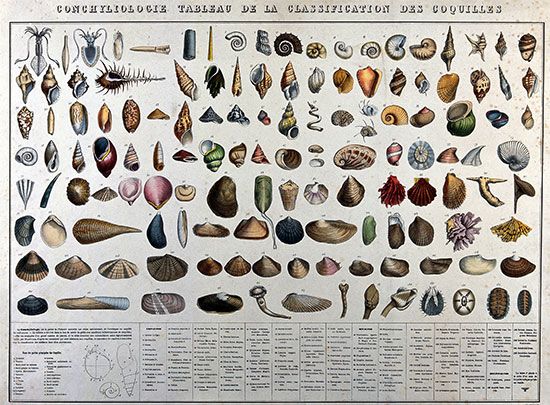
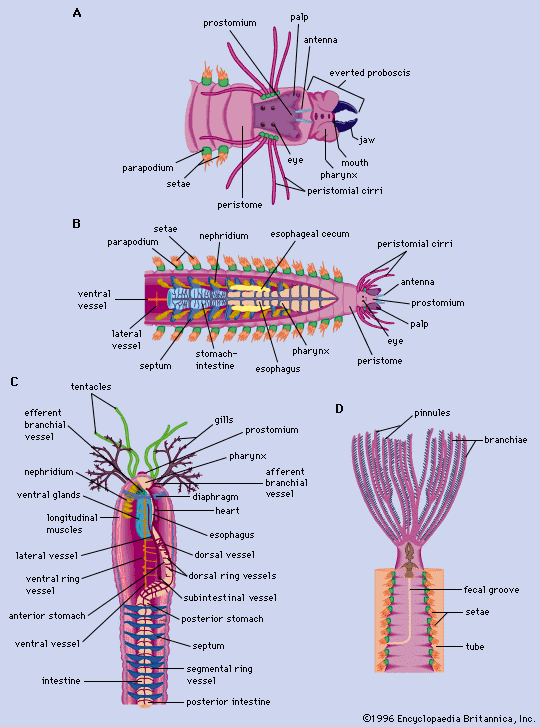
This cavity is formed during embryonic development through the splitting of the mesodermal mass, the middle germ layer. This process distinguishes schizocoelomates from enterocoelomates (deuterostomes), where the coelom instead arises as an outpouching of the embryonic gut. Common examples of animals that exhibit this developmental pattern include mollusks and annelid worms1.1
What is the difference between schizocoely and enterocoely?
The primary difference between schizocoely and enterocoely lies in how the coelom—a fluid-filled body cavity—is formed during embryonic development.
Schizocoely
Typical of most protostomes, schizocoelous development involves the proliferation of mesoderm from a single cell. This mesoderm divides to form a solid mass on each side of the body, and the coelom arises through a splitting within these masses.13
Enterocoely
Typical of deuterostomes, enterocoelic development occurs when the endoderm of the embryonic gut (enteron) evaginates to form discrete pouches. These pouches pinch off from the gut; the cavities within them become the coelom, while the walls of the pouches develop into the mesoderm.134
Feature
Schizocoely
Enterocoely
Primary Group
Protostomes
Deuterostomes
Mechanism
Splitting of solid mesodermal masses
Outpouching of the embryonic gut
Examples
Mollusks, annelids, arthropods
Echinoderms, chordates
What are the three germ layers in embryonic development?
During the earliest stages of embryonic development, a process called gastrulation organizes cells into three primary germ layers. These layers serve as the foundation for all tissues and organs in the body.67
The Three Germ Layers
- Ectoderm: The outermost layer. It gives rise to the epidermis, hair, the central nervous system, and the peripheral nervous system.68
- Mesoderm: The middle layer. It forms the muscle system, bones, the heart, the urogenital system, and connective tissues.68
- Endoderm: The innermost layer. It forms the linings of the gastrointestinal tract, the lungs, the liver, the pancreas, and various other glands and internal structures.968
These layers represent multipotent stem cells that follow a standard program to construct the complex organ systems of an animal.68
Which animal groups are classified as schizocoelomates?
Schizocoelomates are invertebrate animals that possess a coelom formed through the splitting of the mesodermal mass during embryonic development. This developmental process is characteristic of most [protostomes].142
The animal groups classified as schizocoelomates include:
- Mollusks
- Annelids
- Arthropods
- Pogonophorans
- Apometamerans
- Tardigrades
- Onychophorans
- Phoronids
- Brachiopods
- Bryozoans
While these groups share the schizocoelous method of coelom formation, the functional significance of the coelom varies significantly among them. For instance, it remains essential for the burrowing locomotion of annelids, whereas in arthropods, the coelom’s role has diminished as they have transitioned to using jointed appendages and an exoskeleton for movement.2
Sources
- schizocoelomate — Encyclopædia Britannica
- schizocoel — Merriam-Webster
- Animal - Bilateria: an organ level of organization — Encyclopædia Britannica
- Animal - Coelomates — Encyclopædia Britannica
- enterocoelomate — Encyclopædia Britannica
- endoderm — Encyclopædia Britannica
- germ layer — Encyclopædia Britannica
- gastrula — Encyclopædia Britannica
- prenatal development - Formation of the three primary germ layers — Encyclopædia Britannica
Published on · 2 min read