Schuylkill River
The Schuylkill River is a 130-mile-long (210 km) waterway located in southeastern Pennsylvania, U.S. Originating in Schuylkill county within an…

What is Schuylkill River?
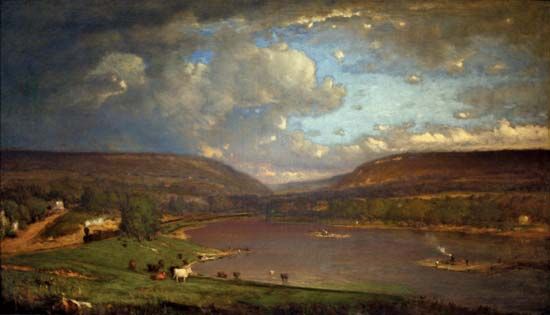
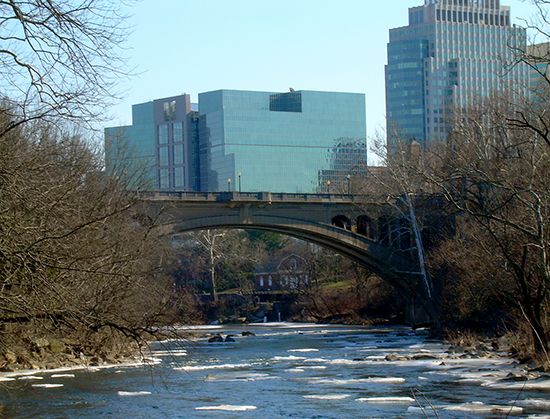
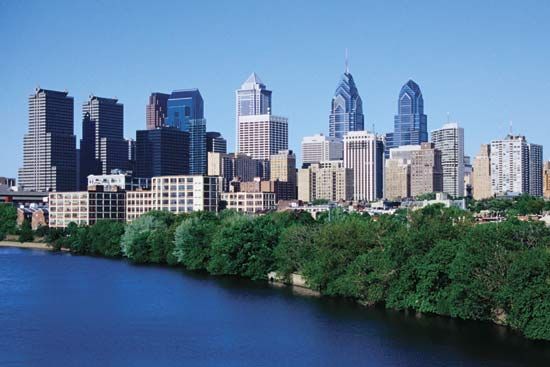
The Schuylkill River is a 130-mile-long (210 km) waterway located in southeastern Pennsylvania, U.S. Originating in Schuylkill county within an anthracite-coal region, the river flows generally southeastward through communities such as Pottsville, Reading, and Norristown before joining the Delaware River at Philadelphia.1
The name “Schuylkill” is derived from Dutch, meaning “hidden stream.” During the 1820s, the river was canalized to facilitate the transport of coal, which significantly fueled the industrial development of the Schuylkill valley, though rail transport largely superseded this by the 1840s.21
How did the coal industry shape the development of Pennsylvania?
The coal industry was a primary catalyst in transforming Pennsylvania from a rural agricultural society into a global industrial powerhouse between the 1830s and 1920s. The state’s vast deposits of bituminous and anthracite coal provided the essential energy required to fuel the production of iron, steel, machinery, and other fabricated metals.31
The development of transportation infrastructure was critical to this growth. In the 1820s, the canalization of the Schuylkill River allowed for the efficient transport of anthracite coal to growing markets, spurring industrial development along its valley. By the 1840s, the expansion of the steam locomotive provided further impetus for the industry, eventually superseding canal transport.45
While coal was foundational to Pennsylvania’s economy, it also introduced significant challenges. The industry has been associated with severe environmental damage, including habitat destruction from surface mining and water contamination from acid mine drainage. Furthermore, the work remains inherently hazardous, posing long-term health risks to miners, such as black lung disease. Today, while coal production has declined due to competition from other energy sources, coal-fired plants remain a key component of the state’s electric power generation3.6
What does the name Schuylkill mean in Dutch?
The name “Schuylkill” is derived from the Dutch language and translates to “hidden stream.” The term is composed of the Dutch word kil, which refers to a channel or creek and is frequently found in place names throughout Pennsylvania, Delaware, and New York.81
What role did the Delaware River play in the region’s history?
The Delaware River has served as a vital artery for commerce, transportation, and military strategy throughout the region’s history. Flowing from New York through Pennsylvania, New Jersey, and Delaware, the river provided essential access to the Atlantic Ocean, which was a primary motivation for William Penn to secure the territory for his colony of Pennsylvania.1011
Economic and Industrial Significance
The river was a cornerstone of 19th-century economic development. Its tributaries, such as the Brandywine Creek, powered early water-driven industries, including flour mills and black powder factories. To facilitate trade, major infrastructure projects like the Chesapeake and Delaware Canal were constructed to connect the Delaware River with the Susquehanna River valley and Chesapeake Bay, significantly shortening shipping routes. Steamboats and later rail lines further integrated the river into a broader commercial network, supporting the rapid industrialization of cities like Wilmington and Philadelphia.121314
Military and Administrative Role
The river also played a pivotal role in the American Revolution. On Christmas night in 1776, George Washington famously crossed the Delaware from Pennsylvania to New Jersey, executing a surprise attack on Hessian troops at Trenton. In the modern era, the river is managed by the Delaware River Basin Commission, an intergovernmental partnership established to oversee water conservation, pollution control, and regional development.10
Sources
- Schuylkill River — Encyclopædia Britannica
- Schuylkill — Encyclopædia Britannica
- Pennsylvania - Resources and power — Encyclopædia Britannica
- Pennsylvania - Economy — Encyclopædia Britannica
- coal - In the New World — Encyclopædia Britannica
- coal mining - Barges — Encyclopædia Britannica
- coal - Hazards of mining and preparation — Encyclopædia Britannica
- Schuylkill — Merriam-Webster
- kill — Merriam-Webster
- Delaware River — Encyclopædia Britannica
- Delaware - Economic development in the 19th century — Encyclopædia Britannica
- Philadelphia - Transportation — Encyclopædia Britannica
- Delaware - Relief — Encyclopædia Britannica
- Delaware - The colony of Delaware — Encyclopædia Britannica
Published on · 3 min read