Sea Robin
Sea robins (family Triglidae) have a straightforward reproductive process compared to some of their relatives in the order Scorpaeniformes. They are…
How do sea robins reproduce and care for their young?
Sea robins (family Triglidae) have a straightforward reproductive process compared to some of their relatives in the order Scorpaeniformes. They are oviparous (egg-laying) fish that simply shed their eggs in batches directly into the open sea.1
As far as is currently known, there is no specialized breeding behavior or parental care associated with their spawning. The only notable change in their activity during the spawning season is that these naturally vocal fish become increasingly loquacious, producing more frequent sounds with their swim bladders and associated muscles.21
How do sea robins communicate, and what is the significance of their ‘croaking’ sound?
Sea robins (family Triglidae) are well-known for their ability to produce audible sounds, a trait documented since the time of Aristotle.13
Mechanism of Sound Production
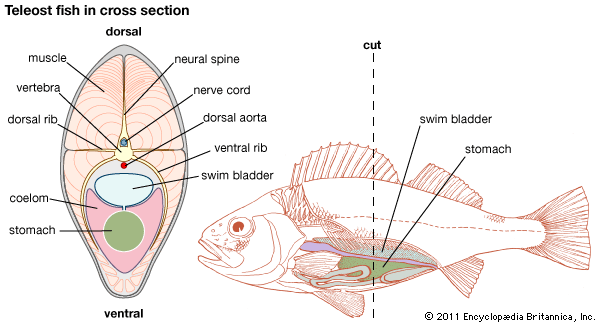
These fish generate noise using a specialized swim bladder that is loosely attached to the dorsal wall of their body cavity. The bladder is vibrated by lateral muscles containing striated fibers that run at right angles to the muscle’s length.3
Significance and Characteristics
The sounds produced by sea robins, such as the common sea robin, include vibrant barks, growls, and series of rapid clucks. These vocalizations often occur with very little provocation. While the exact social function of these sounds is a subject of ongoing study, their ability to produce these distinct noises is a defining characteristic of the family, distinguishing them from other bottom-dwelling fish that may rely on different mechanical methods for sound production.13
What are the distinctive physical features of sea robins?
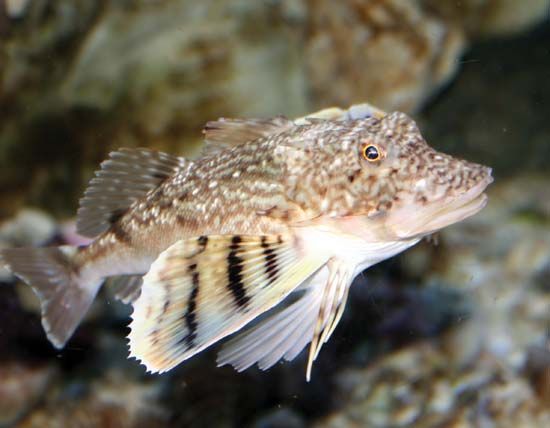
Sea robins (family Triglidae) are characterized by several distinct physical adaptations suited for their life as bottom-dwellers in warm and temperate seas.
Key Physical Characteristics
- Head and Body: They possess elongated bodies with armored, bony heads. While some species are covered in scales, others are protected by bony plates; these armored varieties are sometimes classified in the family Peristediidae.1
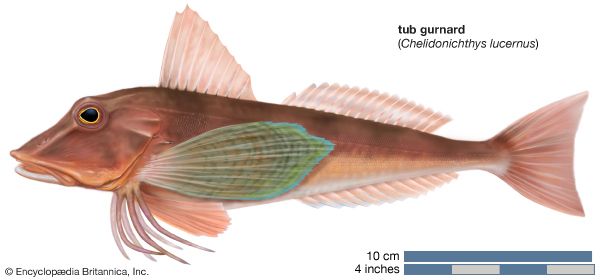
- Pectoral Fins: One of their most recognizable features is their large, fan-shaped pectoral fins. The bottom few rays of these fins are detached from the membrane and elongated, functioning as specialized feelers. These appendages allow the fish to “walk” along the ocean floor and sense mollusks, crustaceans, and other prey.14
- Dorsal Fins: They are equipped with two dorsal fins.1
- Coloration: Sea robins are typically brightly colored, and many species exhibit ornate patterns on their pectoral fins, such as the blue and green spots found on the tub gurnard.1
The largest species within this family can reach lengths of approximately 70 cm (28 inches).1
What role do sea robins play in the marine ecosystem?
Sea robins (family Triglidae) function primarily as active predators within the marine ecosystem, specifically targeting organisms that inhabit the seafloor. By utilizing their specialized, detached pectoral fin rays to “walk” along the bottom, they effectively navigate benthic environments to locate and consume mollusks and crustaceans.1
Their role as predators helps regulate the populations of these bottom-dwelling invertebrates. Furthermore, as vocal fish that utilize swim bladders to produce distinct sounds, they contribute to the complex acoustic environment of their habitats, which can influence social interactions and potentially alert other species to their presence.1
Sources
- sea robin — Encyclopædia Britannica
- scorpaeniform - Reproduction — Encyclopædia Britannica
- scorpaeniform - Sound production — Encyclopædia Britannica
- Triglidae — Merriam-Webster
- sea robin — Merriam-Webster
Published on · 3 min read