Shorthorn
The Shorthorn breed, developed in 18th-century England, has been instrumental in the global cattle industry due to its versatility and adaptability.
What role did the Shorthorn breed play in the development of the cattle industry in different countries?
The Shorthorn breed, developed in 18th-century England, has been instrumental in the global cattle industry due to its versatility and adaptability.12
- Genetic Improvement: Shorthorns have been widely used to “grade up” native or unimproved cattle populations across North America, South America (notably Argentina), Australia, and South Africa.1
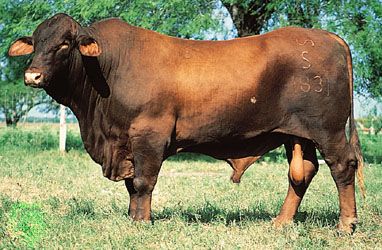
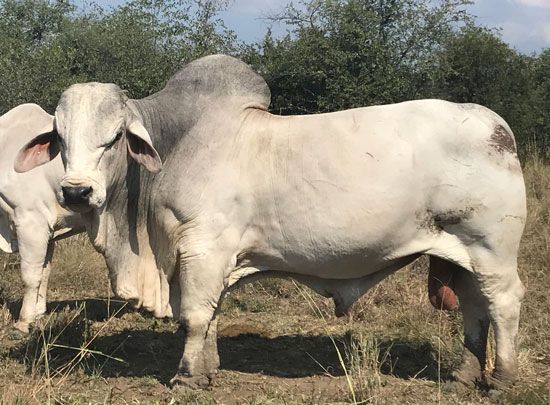
- Crossbreeding: Their genetic traits have been essential in creating new, resilient breeds. For example, the Santa Gertrudis was developed in Texas by crossing Shorthorns with Brahman cattle to thrive in hot, semitropical climates. Similarly, the Beefmaster incorporates Shorthorn genetics for improved fertility and conformation.32
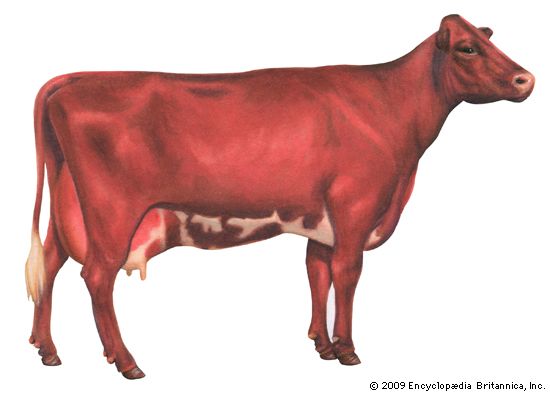
- Specialized Strains: Breeders developed the Milking Shorthorn for dual-purpose milk and beef production, and the Polled Shorthorn to provide a hornless variety.12
- Regional Impact: While historically significant, the breed’s popularity in some regions shifted in the late 20th century as market demands moved toward leaner carcasses.2
How are Shorthorn cattle used in modern agriculture (beef, dairy, or dual-purpose)?
In modern agriculture, Shorthorn cattle are utilized in several specialized ways, reflecting their historical versatility and adaptability. While the breed is primarily recognized for beef production, its role is divided into distinct strains and crossbreeding applications:1
- Beef Production: The standard Shorthorn is widely raised for beef, valued for its blocky conformation. Additionally, the Polled Shorthorn was developed as a hornless variety to improve management and safety in beef herds.14
- Dairy and Dual-Purpose: The Milking Shorthorn is a specialized strain bred specifically for its milk-producing qualities. These animals are often considered dual-purpose, as they are raised for both milk and beef production.12
- Crossbreeding and Genetic Improvement: Shorthorns are frequently used to “grade up” native or unimproved cattle populations. Their genetics are also foundational to several modern breeds developed for specific environmental hardiness, such as the Santa Gertrudis (a cross with Brahman for heat resistance) and the Beefmaster, which incorporates Shorthorn blood to enhance fertility, weight, and milk production.14
What are the distinctive physical characteristics of Shorthorn cattle?
The Shorthorn breed is defined by several distinct physical traits that have made it recognizable globally:
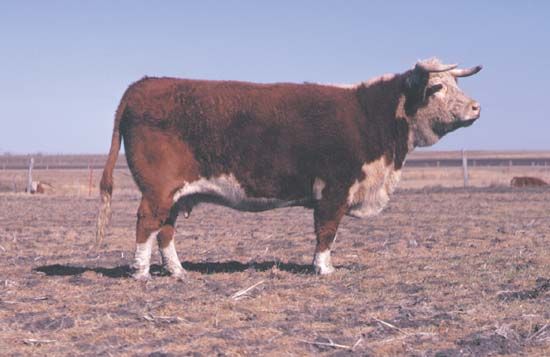
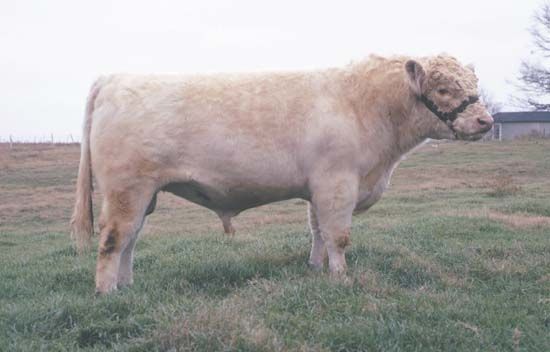
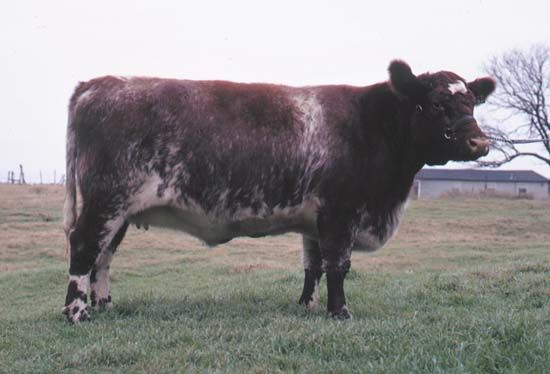
- Conformation: The breed is characterized by a blocky, sturdy body shape, which reflects its historical development as a beef-producing animal.1
- Horns: As the name suggests, the breed typically features short horns. However, a specific variety known as the Polled Shorthorn (or Polled Durham) has been developed to be naturally hornless.15
- Coloration: Shorthorns exhibit a diverse range of colors, including solid red, red with white markings, or white. Notably, they are the only modern cattle breed that displays a roan coat, which is produced by an intermixture of red and white hairs.1
These physical attributes, combined with the breed’s adaptability, have allowed it to thrive in various climates and agricultural systems worldwide.1
How has the Shorthorn breed influenced other cattle breeds through crossbreeding?
The Shorthorn breed has played a foundational role in the development of modern cattle through extensive crossbreeding, particularly in the United States, where it has been used to “grade up” native or unimproved herds. Its genetic influence is central to several specialized breeds designed for environmental hardiness and productivity:1
- Santa Gertrudis: Developed by the King Ranch in Texas, this breed is approximately five-eighths Shorthorn and three-eighths Brahman. It combines the meat quality and conformation of the Shorthorn with the heat and insect resistance of the Brahman.73
- Beefmaster: This breed incorporates about one-fourth Shorthorn breeding, alongside Hereford and Brahman blood. It was developed with a focus on fertility, weight, hardiness, and milk production.23
- Galloway Crosses: Shorthorn bulls have been used extensively with Galloway cows to produce “blue-gray” crossbred cattle.2
- Brahorn: This is a specific crossbreed resulting from the combination of Brahman and Shorthorn genetics.2
By contributing to these diverse breeds, the Shorthorn has helped improve carcass quality and adaptability in regions where traditional British breeds might otherwise struggle.738
Sources
- Shorthorn — Encyclopædia Britannica
- Origins of agriculture - Beef cattle — Encyclopædia Britannica
- Livestock farming - Beef cattle breeds — Encyclopædia Britannica
- Milking Shorthorn — Merriam-Webster
- Polled Durham — Merriam-Webster
- Dairy cattle breeds — Encyclopædia Britannica
- Santa Gertrudis — Encyclopædia Britannica
- Brahman — Encyclopædia Britannica
Published on · 3 min read