Sigillaria
The provided search results do not specify the exact height of the extinct Sigillaria, other than noting that they were tree-sized lycopsids from the…
How tall could Sigillaria trees grow, and how does this compare to modern trees?
The provided search results do not specify the exact height of the extinct Sigillaria, other than noting that they were tree-sized lycopsids from the Carboniferous Period.1
In comparison, modern trees can reach significantly greater heights. The tallest living trees are Pacific Coast redwoods, which can exceed 110 meters (about 350 feet) in height. Other modern giants, such as the Australian mountain ash, also surpass 90 meters (300 feet). While Sigillaria were prominent features of their ancient ecosystems, they were biologically distinct from modern trees, characterized by a slender strand of wood and thick bark rather than the complex woody structures found in contemporary species.21
What are the distinctive physical characteristics of Sigillaria plants?
Sigillaria was an extinct genus of tree-sized lycopsids from the Carboniferous Period with several unique physical features:
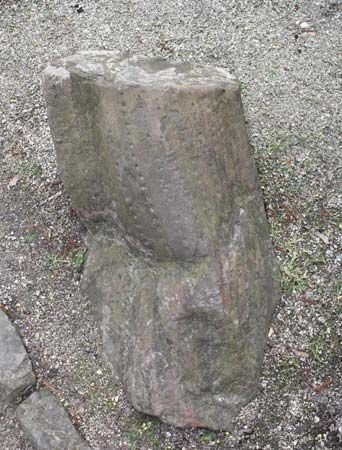
- Trunk Structure: The plant featured a single or sparsely branched trunk composed of a slender strand of wood surrounded by thick bark.1
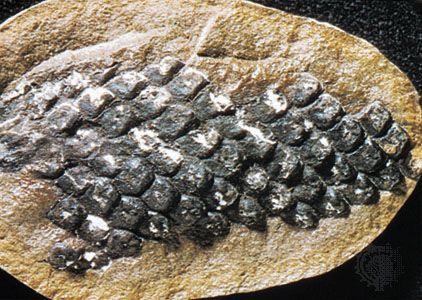
- Leaf Scars: Long, thin leaves grew in a spiral pattern near the growing tip. As the plant matured and leaves fell off the lower trunk, they left behind distinctive polygonal scars. These markings resemble seals, which is the origin of the name Sigillaria (from the Latin sigillum, meaning “seal”).14
- Reproduction: Unlike seed-bearing plants, Sigillaria reproduced via spores of two distinct sizes: larger megaspores (producing egg cells) and smaller microspores (producing sperm cells).1
- Habitat Adaptation: Unlike its relative Lepidodendron, Sigillaria preferred the mineral soils of river floodplains. This preference for better-drained environments likely helped it survive longer than other lycopsids as the great coal swamps began to dry.1
How did the extinction of Sigillaria impact the ancient ecosystem?
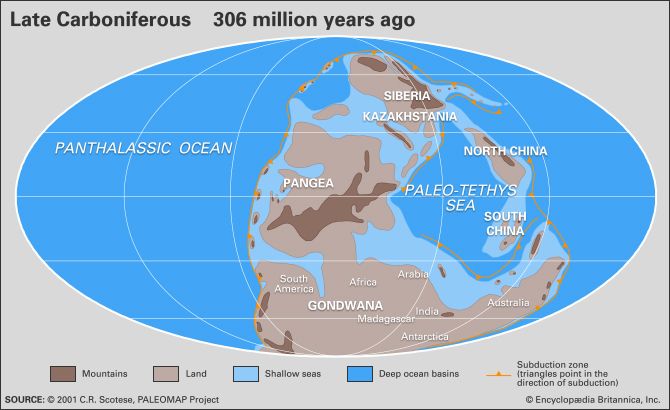
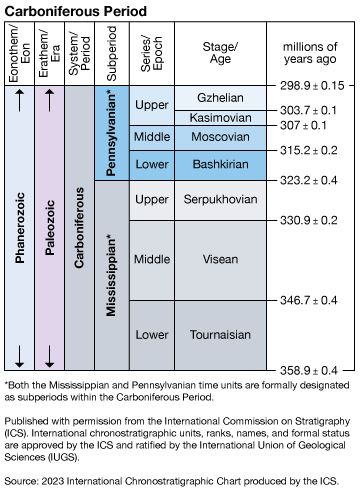
The extinction of Sigillaria and many other tree-sized lycopsids was primarily driven by the drying of the great coal swamps during the middle of the Pennsylvanian Subperiod (318 to 299 million years ago).1
Because Sigillaria preferred the mineral soils of river floodplains rather than the saturated peat-forming swamps favored by relatives like Lepidodendron, it was able to persist longer than many of its contemporaries as environmental conditions shifted. However, as the climate continued to change and these specific wetland habitats disappeared, the loss of these arborescent lycopsids marked a significant transition in Earth’s flora.15
This extinction event contributed to a broader evolutionary turnover among land plants. As these nonseed plants declined, they were replaced by more diverse groups, including gymnosperms, which were better adapted to the increasingly dry habitats of the Permian Period. This shift helped pave the way for the rise of more complex plant communities and the eventual dominance of seed-bearing plants.67
What is Sigillaria and to which plant group does it belong?
Sigillaria is an extinct genus of tree-sized plants that lived during the Carboniferous Period, approximately 360 to 300 million years ago.1
It belongs to the group known as lycopsids, which are ancient, spore-bearing vascular plants related to modern club mosses. These plants were characterized by a single or sparsely branched trunk with thick bark and distinctive polygonal leaf scars that resembled seals, from which the name Sigillaria is derived. Unlike seed-bearing plants, Sigillaria reproduced using two distinct sizes of spores.14
Sources
- Sigillaria — Encyclopædia Britannica
- Tree - Trees of special interest — Encyclopædia Britannica
- Saving the World’s Largest Trees — Encyclopædia Britannica
- Sigillaria — Merriam-Webster
- Plant - Evolution of seed plants and plant communities — Encyclopædia Britannica
- Carboniferous Period - Paleoclimate — Encyclopædia Britannica
- coal - The fossil record — Encyclopædia Britannica
- Lepidodendron — Encyclopædia Britannica
- lycopsid — Merriam-Webster
- Lycidae — Merriam-Webster
Published on · 2 min read