Skye Terrier
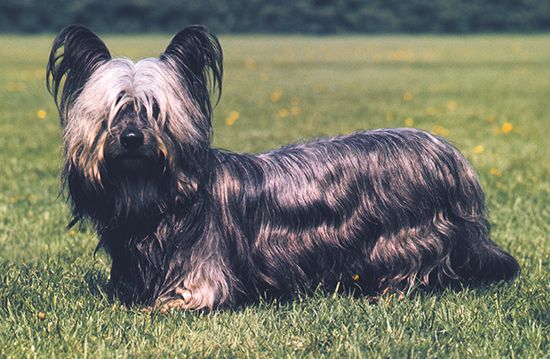
The Skye terrier is a sturdy and alert breed originating from the Isle of Skye, Scotland. Physically, it is distinguished by a large head, a long body, and…
What are the physical characteristics of the Skye Terrier?
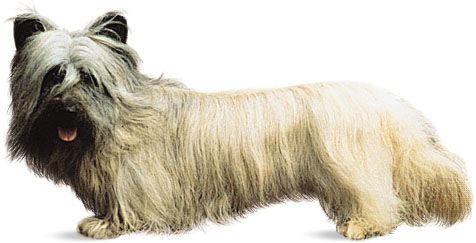
The Skye terrier is a sturdy and alert breed originating from the Isle of Skye, Scotland. Physically, it is distinguished by a large head, a long body, and short legs.1
Key physical characteristics include:
- Coat: A long, straight coat that ranges in color from black to pale yellowish brown. The hair is long enough to veil the dog’s forehead and eyes.1
- Ears: The ears may be either erect (prick) or hanging (drop).1
- Size: Adults typically stand between 9.5 and 10 inches (24 to 25 cm) in height and weigh approximately 24 pounds (11 kg).1
Historically used as a working dog, the breed has remained relatively unchanged for about 400 years and is noted for its loyalty and good-tempered nature.1
What special considerations should potential owners keep in mind when adopting a Skye Terrier?
When considering the adoption of a Skye Terrier, potential owners should be prepared for the specific needs of a breed historically developed as a working dog and hunter.
Temperament and Behavior
The Skye Terrier is known for being sturdy, alert, and good-tempered, and it is particularly noted for its loyalty. However, as with most terriers, owners should be aware that these dogs are naturally active, vocal, and inclined to chase or confront other animals. Because they were bred to hunt and kill vermin, they possess a naturally pugnacious temperament that may require consistent training and socialization.1
Maintenance and Care
- Coat Care: The breed features a long, straight coat that veils the eyes and forehead. Prospective owners should be prepared for the grooming requirements necessary to maintain such a coat, as long-haired terrier breeds often require regular brushing to prevent matting.21
- Physical Needs: With their long bodies and short legs, Skye Terriers are physically adapted for working underground. While they are sturdy, their size and history as hunters mean they thrive with appropriate outlets for their energy.21
Where did the Skye Terrier originate, and what was its original purpose?
The Skye Terrier originated on the Isle of Skye in Scotland.4
The breed was originally developed as a hunter, specifically serving as a working dog used to hunt vermin. While it maintained this functional role, it also became a popular pet among the nobility during the 19th century. The breed has remained relatively unchanged in its physical form for approximately 400 years.4
How has the Skye Terrier influenced the development of other terrier breeds?
The Skye Terrier has played a notable role in the development of other terrier breeds, primarily through its influence on the genetic heritage of various working dogs.
- Cairn Terrier: The modern Cairn Terrier is directly linked to the Skye Terrier. Its breed characteristics are carefully patterned after those of its ancestor, a 17th-century terrier from the Isle of Skye.4
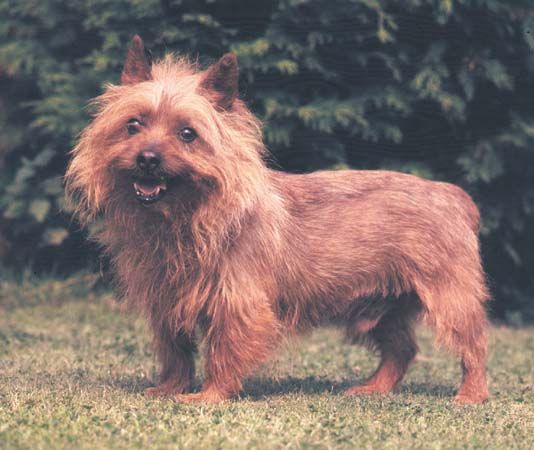
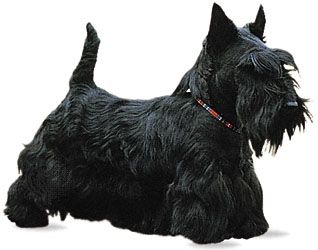
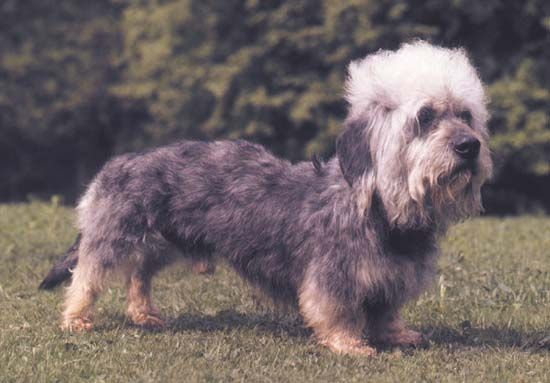
- Australian Terrier: The Australian Terrier includes the Skye Terrier in its complex heritage. Breeders incorporated the Skye, along with other breeds such as the Scottish Terrier, Cairn Terrier, Dandie Dinmont, and Yorkshire Terrier, to develop the perky, farm-working breed recognized today.3
These contributions highlight how the Skye Terrier’s long-standing physical traits and working history helped shape the diverse group of terriers we see today.1
Sources
- Skye terrier — Encyclopædia Britannica
- Yorkshire Terrier dog — Encyclopædia Britannica
- dog - Terriers — Encyclopædia Britannica
- Skye terrier — Merriam-Webster
- cairn terrier — Encyclopædia Britannica
- terrier — Encyclopædia Britannica
- Australian terrier — Encyclopædia Britannica
Published on · 3 min read