Skye
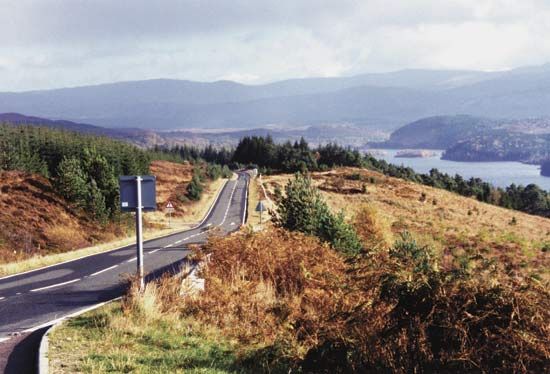
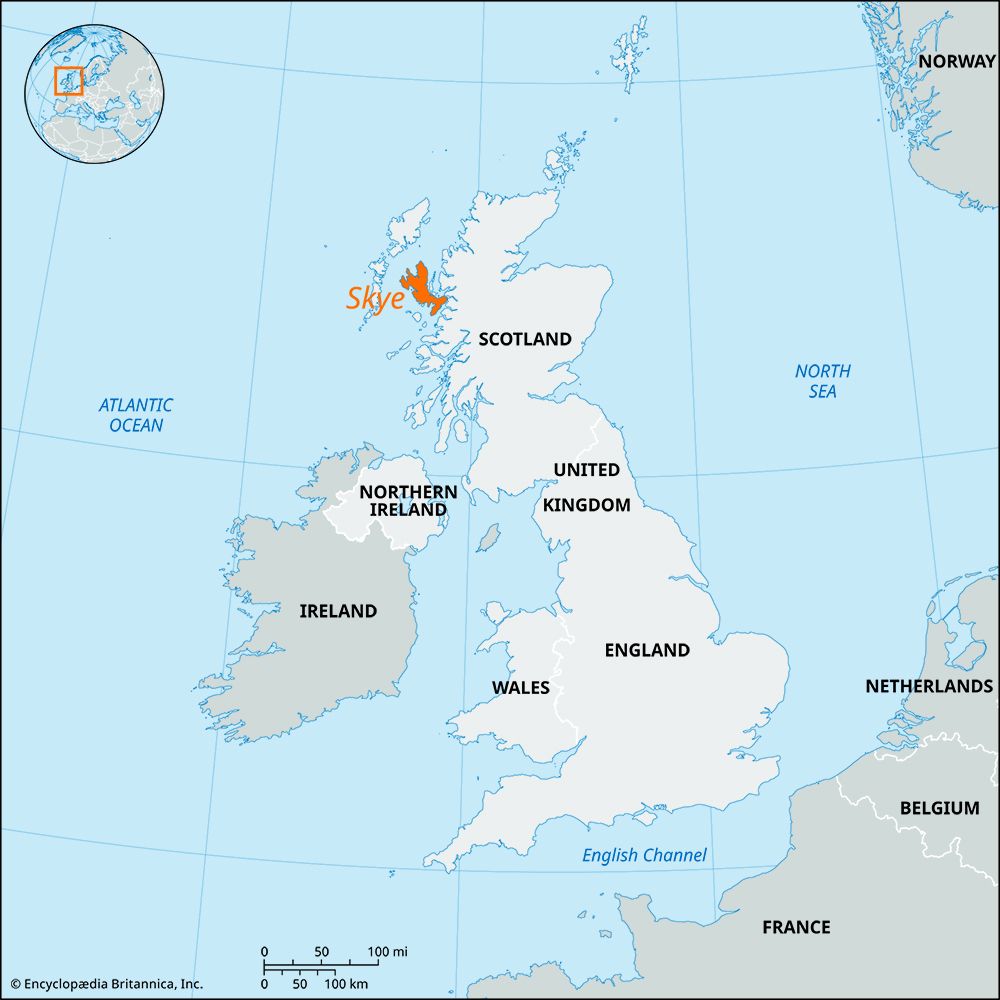
Skye is the largest and most northerly island of the Inner Hebrides in Scotland. It is situated in the Highland council area and is the closest of the Inner…
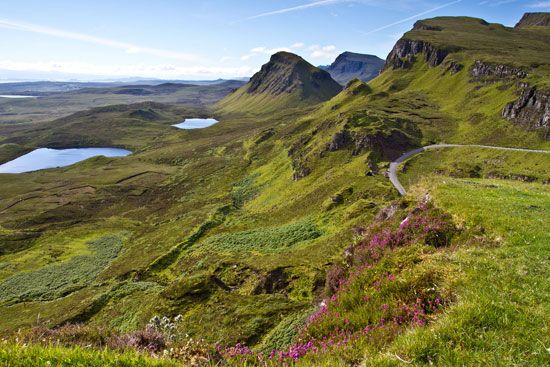
What is the geographical location of the Isle of Skye and how large is it?
Skye is the largest and most northerly island of the Inner Hebrides in Scotland1. It is situated in the Highland council area and is the closest of the Inner Hebrides to the Scottish mainland, connected by the Skye Bridge at Kyleakin.1
The island spans an area of approximately 670 square miles (1,742 square kilometers). It measures nearly 50 miles (80 km) in length, and due to its deeply indented coastline, no location on the island is more than 5 miles (8 km) from the sea.21
What are the main economic activities and industries on the Isle of Skye today?
The economy of the Isle of Skye today is supported by a mix of traditional practices and modern industries. Key economic activities include:
- Tourism: Driven by the island’s spectacular rugged scenery, tourism is a major industry on Skye.1
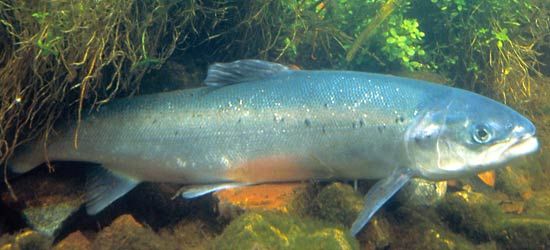
- Commercial Fish Farming: While traditional sea fishing has declined, the commercial farming of fish, particularly salmon, has become an important component of the local economy.1
- Whisky Production: The distillation of a smoky, peaty single-malt Scotch whisky at Carbost remains a significant economic activity.1
- Crofting: Small-scale tenant farming, known as crofting, remains widespread across the island. Historically, this has been supplemented by other work, including weaving and various rural services.13
While industries like diatomite mining have ceased, the island continues to balance its historical agricultural roots with the demands of the modern service and export sectors.1
How did the Highland Clearances affect the population and landscape of Skye?
The Highland Clearances profoundly reshaped the Isle of Skye, fundamentally altering both its social fabric and its physical landscape during the 18th and 19th centuries.71
Impact on Population
The Clearances triggered a period of extreme hardship and mass displacement. As landowners sought to maximize profits by replacing traditional tenant farming with large-scale sheep pastoralism, thousands of families were forcibly evicted from their homes. This dispossession, compounded by the collapse of the kelp industry and the devastating potato blight of the 1840s, led to widespread starvation and disease. Consequently, many residents were forced into mass emigration, leaving for the Scottish Lowlands, Canada, the United States, and Australia.718
Impact on Landscape
The landscape of Skye was transformed to serve new economic models:
- Agricultural Shift: Traditional agricultural townships, which functioned as collective joint-tenancy farms, were dismantled to make way for extensive sheep runs.7
- Resettlement: Evicted tenants were often pushed onto marginal, less fertile coastal lands to establish small crofts, where they were expected to survive through fishing or labor-intensive cropping.7
- Land Use: Over time, the focus shifted further as some areas were converted into deer forests, further restricting the land available for grazing and subsistence agriculture.8
What are some traditional Skye dishes and how do they reflect the island’s history?
Traditional dishes on the Isle of Skye are deeply rooted in the island’s history of crofting, subsistence farming, and its coastal geography. While specific regional specialties exist, Skye shares in the broader Scottish culinary heritage that reflects its rugged environment and resourcefulness.
- Stovies: This potato-rich stew is a quintessential example of historical Scottish fare. It reflects the importance of the potato, which became a vital crop for crofters following the introduction of government subsidies for subsistence farming.110
- Salmon and Game: Given the island’s proximity to the sea and its moorland terrain, salmon, venison, and grouse have long been staples. Today, commercial fish farming continues this tradition, maintaining the island’s connection to its maritime resources.110
- Whisky: Known in Gaelic as uisge-beatha (“water of life”), whisky production at Carbost is a direct link to the island’s heritage. Distillation has been a significant part of Scottish life since at least the 15th century, evolving from private, small-scale production into a major industry.110
- Haggis: Often associated with traditional celebrations, this dish of offal, suet, and oatmeal reflects a history of utilizing all available parts of livestock, a necessity for survival in the challenging Highland climate.10
Sources
- Skye — Encyclopædia Britannica
- Skye — Merriam-Webster
- Scotland - Services — Encyclopædia Britannica
- Hebrides — Encyclopædia Britannica
- Scotland - Agriculture — Encyclopædia Britannica
- Scotland - Economy of Scotland — Encyclopædia Britannica
- Highland Clearances — Encyclopædia Britannica
- Scotland - The Highlands of Scotland — Encyclopædia Britannica
- Inverness-shire — Encyclopædia Britannica
- Scotland - Daily life and social customs — Encyclopædia Britannica
Published on · 3 min read