Slave River
The Slave River is a waterway located in northern Alberta and the southern Northwest Territories, Canada. It serves as a vital component of the Mackenzie…
What is Slave River?
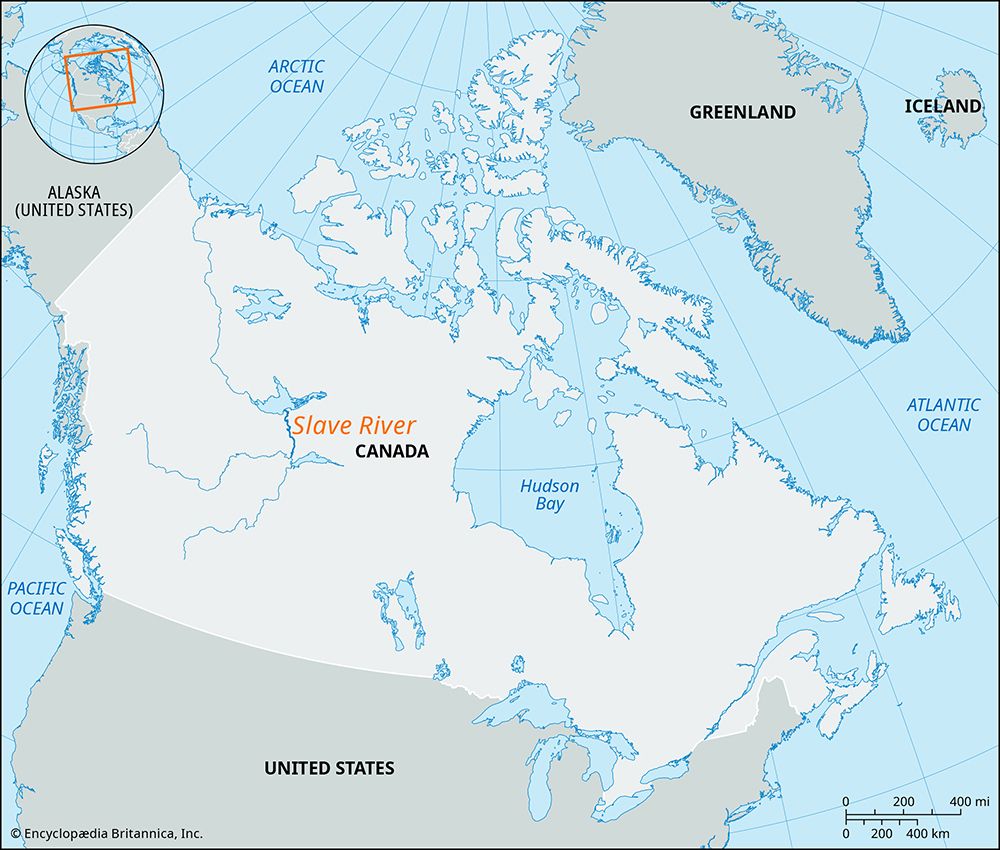
The Slave River is a waterway located in northern Alberta and the southern Northwest Territories, Canada. It serves as a vital component of the Mackenzie River system, flowing northward for 258 miles (415 km) from the confluence of the Peace River and streams draining Lake Athabasca to empty into Great Slave Lake near Fort Resolution.12
The river was named after the Dene Tha’ people who historically inhabited its banks. Explored by Samuel Hearne in the early 1770s, the river features a 16-mile stretch of rapids between Fort Fitzgerald and Fort Smith, which necessitates a portage road for navigation. For much of its early course, the river forms the eastern boundary of Wood Buffalo National Park.13
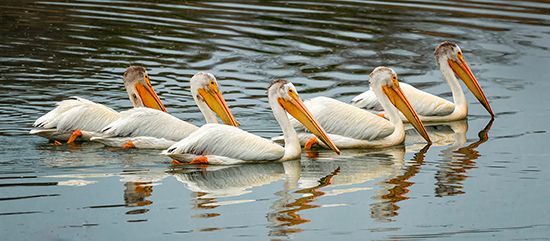
What is the significance of Wood Buffalo National Park?
Wood Buffalo National Park is a significant protected wilderness area spanning 17,300 square miles (44,807 square km) across northern Alberta and the southern Northwest Territories, Canada.4
Its primary significance includes:
- Conservation of Bison: Established in 1922, the park was created specifically as a refuge to protect the remaining herds of wood and plains bison (buffalo) in northern Canada.4
- Biodiversity: The park serves as a critical habitat for diverse wildlife, including bears, caribou, moose, deer, and beavers.4
- Endangered Species Protection: It contains the only remaining natural nesting grounds for the whooping crane, the tallest native North American bird, which is currently at risk of extinction.4
- Global Recognition: Due to its unique animal populations and abundant natural resources, the park was designated a UNESCO World Heritage site in 1983.4
Who are the Dene people of the Slave River region?
The Slave people, also known as the Dene Tha’, are an Athabaskan-speaking group indigenous to the regions surrounding the Slave River, Great Slave Lake, and the Mackenzie and Liard river basins.67
Historically, the name “Slave” was applied by the Cree, who frequently raided the group, and was later adopted by French and English settlers. The Dene were traditionally organized into independent, loosely structured bands led by individuals chosen for their hunting skills. They relied on hunting moose and caribou, as well as fishing, and utilized animal skins for clothing and dwellings.61
Socially, the Dene were known for treating women and the elderly with notable respect. Following the arrival of the fur trade in the 18th century, their economy shifted toward the exchange of furs for imported goods. While government treaties were established in the late 19th and early 20th centuries, no formal reservations were created, though many indigenous settlements exist today.61
How does the Mackenzie River system reach the Arctic Ocean?
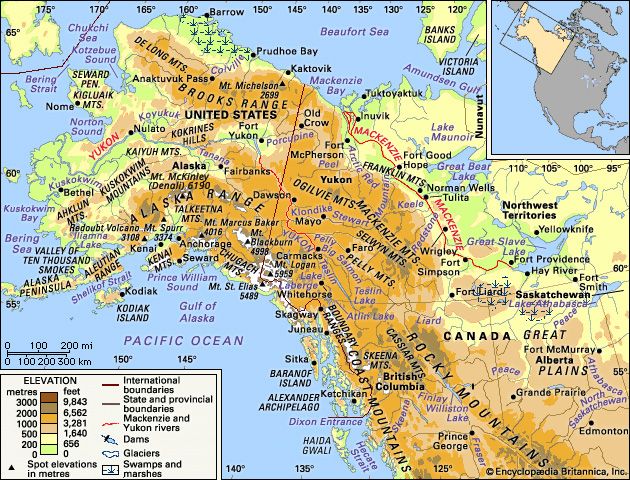
The Mackenzie River system reaches the Arctic Ocean by flowing northward through the Canadian north, eventually emptying into the Beaufort Sea.10
The journey begins at the headwaters of the Finlay River, west of the Rocky Mountains, and travels through a vast network of rivers and lakes, including Great Slave Lake. As the river moves toward the coast, it reaches Point Separation, where it begins to form a massive, lake-strewn delta. This delta, which covers approximately 4,700 square miles, consists of a complex maze of intertwining channels and ponds that facilitate the river’s final discharge into the Arctic waters. The system’s water-transport routes ultimately terminate at Tuktoyaktuk on the Arctic coast, where cargo is transferred to vessels capable of navigating the western Arctic.1011
Sources
- Slave River — Encyclopædia Britannica
- Mackenzie River - History of Mackenzie River — Encyclopædia Britannica
- Great Slave Lake — Encyclopædia Britannica
- Wood Buffalo National Park — Encyclopædia Britannica
- Wood Buffalo National Park — Merriam-Webster
- Slave — Encyclopædia Britannica
- Northwest Territories - Population composition — Encyclopædia Britannica
- Na-Dene — Merriam-Webster
- Déné — Merriam-Webster
- Mackenzie River — Encyclopædia Britannica
- Mackenzie River - The delta region — Encyclopædia Britannica
Published on · 3 min read