Sled Dog
A sled dog is a canine specifically trained to pull a sled across snow and ice. Historically, these dogs were essential working animals in Arctic climates…
What is sled dog?
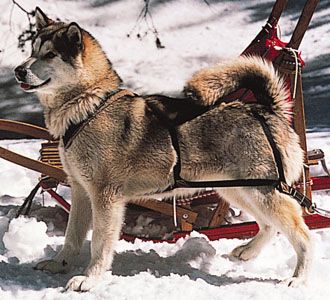
A sled dog is a canine specifically trained to pull a sled across snow and ice. Historically, these dogs were essential working animals in Arctic climates, used for transporting supplies, mail, and people. While they have largely been replaced by modern technology like aircraft and snowmobiles, they remain active today in recreational activities and the sport of dogsled racing.123
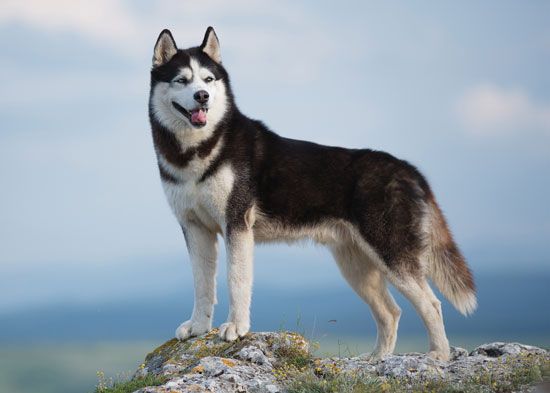
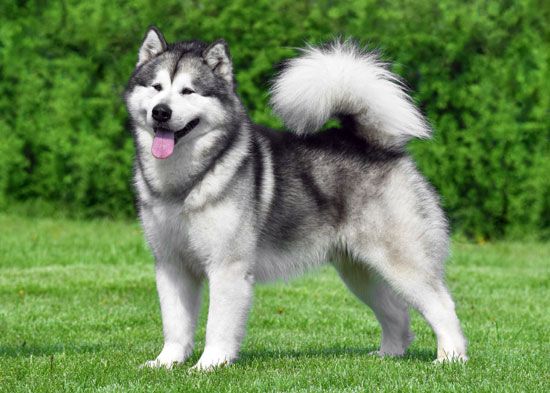
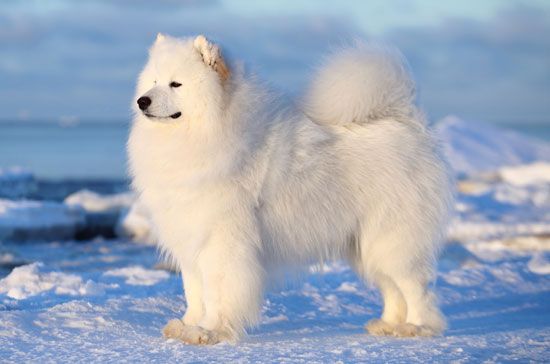
Common breeds associated with this work include the Siberian husky, Alaskan Malamute, Samoyed, and Eskimo dog. However, most modern racing teams utilize the Alaskan husky, a durable, high-performance mixed breed. These dogs are characterized by their thick coats, high endurance, and strength. In a team, dogs are positioned based on their specific roles—such as lead dogs, swing dogs, team dogs, and wheel dogs—and are guided by a driver known as a musher.13
What are the physical traits that help sled dogs survive in cold climates?
Sled dogs possess specific physical adaptations that allow them to thrive in harsh, freezing environments. Their most notable feature is a dense, thick coat, which often consists of a long, waterproof outer layer that protects against the elements and a thick, woolly undercoat that provides essential insulation.21
These dogs are generally large, powerful, and big-boned, providing the strength and endurance necessary for pulling heavy loads across snow and ice. Many breeds also exhibit specific structural traits, such as prick ears and tails that curl over their backs, which help minimize heat loss. These physical characteristics, combined with their high stamina, enable them to function effectively as working animals in regions like the Arctic Circle.21
How does the Iditarod race work?
The Iditarod Trail Sled Dog Race is an annual long-distance event held in March, spanning approximately 1,100 miles (1,770 km) between Anchorage and Nome, Alaska. The race commemorates the 1925 “Great Race of Mercy,” where mushers transported life-saving diphtheria serum to Nome during a blizzard.67
Race Mechanics
- Participants: Teams consist of a musher (driver) and 12–16 dogs.74
- Route: The course traverses diverse, challenging terrain, including two mountain ranges, the Yukon River, and frozen coastal ice.7
- Strategy: Modern teams typically finish in under 10 days, utilizing a run/rest strategy. Official rules mandate a total of 40 hours of rest, divided into two 8-hour breaks at predetermined checkpoints and one 24-hour break at a checkpoint of the musher’s choosing.76
- Care: To ensure animal welfare, organizers enforce mandatory veterinary checkups and have increased the availability of food at checkpoints.67
The race is widely considered the premier event in dogsled racing, testing the endurance and partnership between the musher and their team.74
What is the difference between a fan hitch and a pair hitch?
The primary difference between these two methods lies in how the dogs are attached to the sled and organized during travel.
- Fan Hitch: In this traditional North American configuration, each dog—typically in a team of 12 to 15—is attached to the sled by its own individual lead. This creates a fan-like spread of lines, allowing each dog to pull independently from the sled.2
- Pair Hitch: This is the modern standard for most teams, which usually consist of about 8 dogs. In this arrangement, the dogs are organized in a double-file formation, running side by side in pairs.2
While the fan hitch was historically used to transport both people and supplies, the pair hitch is now the most common method for organizing a sled team.2
Sources
- sled dog — Merriam-Webster
- sled dog — Encyclopædia Britannica
- Did you know? — Merriam-Webster
- dogsled racing — Encyclopædia Britannica
- Eskimo dog — Encyclopædia Britannica
- Iditarod Trail Sled Dog Race: Top Questions — Encyclopædia Britannica
- Iditarod Trail Sled Dog Race — Encyclopædia Britannica
Published on · 3 min read