Why Do Dogs Like Bones?
Dogs are naturally drawn to bones due to their evolutionary history as descendants of wolves. Ancestral canines relied on bones as a vital food source…
Why do dogs like bones?
Dogs are naturally drawn to bones due to their evolutionary history as descendants of wolves. Ancestral canines relied on bones as a vital food source, specifically to access the nutrient-rich marrow found inside. This instinctual drive remains a powerful motivator for modern dogs.1
Beyond nutrition, chewing serves several practical purposes:
- Dental Health: The physical act of gnawing helps scrape away plaque and tartar, acting as a natural tool for maintaining oral hygiene and preventing dental disease.1
- Mental Stimulation: Bones provide a challenging activity that helps alleviate boredom, keeping a dog mentally engaged and satisfied as they work to break down the bone.1
How did the diet of wolves differ from modern dogs?
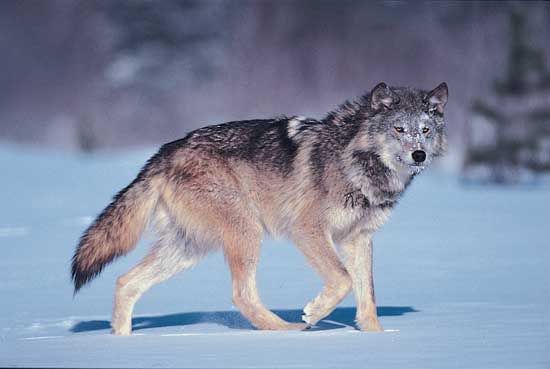
The diet of wolves and modern dogs differs significantly due to the transition from a wild, predatory lifestyle to one shaped by domestication.
Wolves are apex predators that rely on hunting large herbivores, such as deer, elk, moose, and bison3. Their feeding behavior is characterized by “gorging,” where they consume large quantities of meat—often 3 to 9 kg (7 to 20 pounds) per animal—after a successful hunt, frequently reducing a carcass to hair and bones. In addition to large game, wolves may opportunistically eat beavers, hares, or even fish for salmon in certain regions. In areas where natural prey is scarce, some wolves survive by scavenging livestock carrion or human garbage.23
In contrast, modern dogs have evolved alongside humans, leading to a diet that is typically provided by their owners rather than through active hunting. While dogs retain the biological traits of their wolf ancestors, their nutritional intake is generally managed to suit a domestic lifestyle, moving away from the feast-or-famine cycle inherent to wild wolf packs.42
What are the risks of giving dogs cooked versus raw bones?
Providing bones to dogs carries significant health risks that owners should carefully consider. While the provided search results highlight that dogs have an instinctual drive to chew bones for marrow and dental health, they also note that experts often caution against the practice due to potential dangers.15
Risks of Cooked and Raw Bones
- Cooked Bones: Cooking bones, such as ham or pork femur bones, makes them brittle. These bones are prone to splintering into sharp shards when chewed, which can cause severe damage to a dog’s mouth, throat, or digestive tract.5
- General Hazards: Regardless of whether a bone is raw or cooked, there is a risk of choking or intestinal obstruction. Fragments can become lodged in the esophagus or stomach, often requiring surgical intervention.5
Because of these serious health implications, it is essential to prioritize your pet’s safety by consulting with a veterinarian before offering any type of bone. Many safer, commercially prepared alternatives exist that provide the mental stimulation and dental benefits of chewing without the associated risks of splintering or blockage.5
What other activities help keep dogs mentally stimulated?
Beyond physical exercise, keeping dogs mentally stimulated is essential for their well-being and helps prevent behavioral issues. Engaging a dog’s natural instincts and social needs through structured activities is highly effective.
Recommended Activities for Mental Stimulation
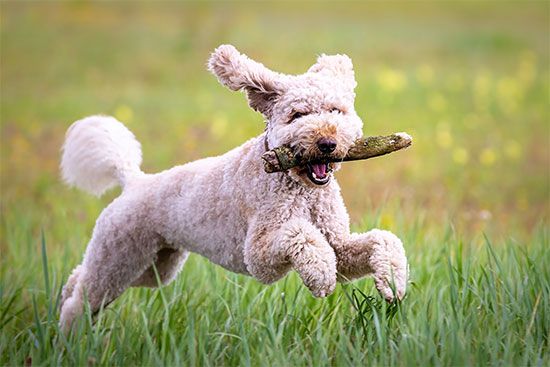
- Playing Fetch: This classic game taps into a dog’s instinctual drive to chase and retrieve, which is particularly strong in breeds like Golden Retrievers and Labrador Retrievers. Beyond physical exertion, it fosters teamwork and strengthens the bond between the dog and their owner through positive reinforcement and interaction.6
- Dog Sports: Organized dog sports provide excellent mental and physical challenges. These activities allow dogs to utilize their specific skill sets, such as scent work for Bloodhounds or endurance tasks for sled dogs like Siberian Huskies. Most sports are open to all breeds, provided the activity matches the individual dog’s energy level and natural abilities.7
By incorporating these varied activities, you can ensure your dog remains both physically fit and mentally sharp.
Sources
- Why do dogs like bones? — Encyclopædia Britannica
- dog - Wolves — Encyclopædia Britannica
- gray wolf - Predators and prey — Encyclopædia Britannica
- wolf - Gray wolf — Encyclopædia Britannica
- dog bone — Merriam-Webster
- Why do dogs like to play fetch? — Encyclopædia Britannica
- dog sports — Encyclopædia Britannica
Published on · 3 min read