Sorghum
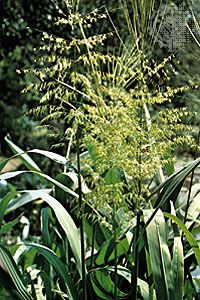
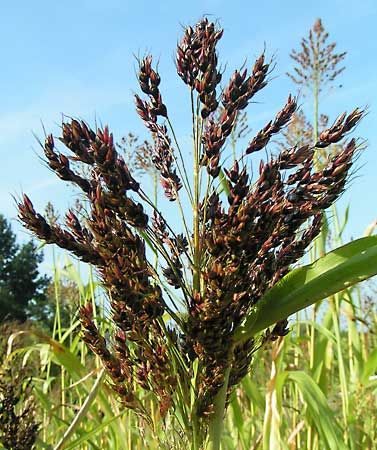
Sorghum (Sorghum bicolor) is a hardy cereal grain belonging to the grass family (Poaceae). It is a versatile plant valued for its resistance to heat and…
What is sorghum and where did it originate?
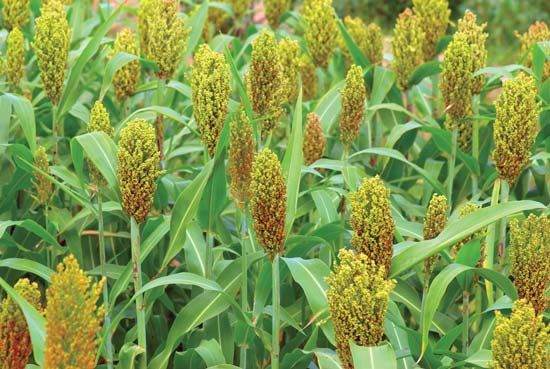
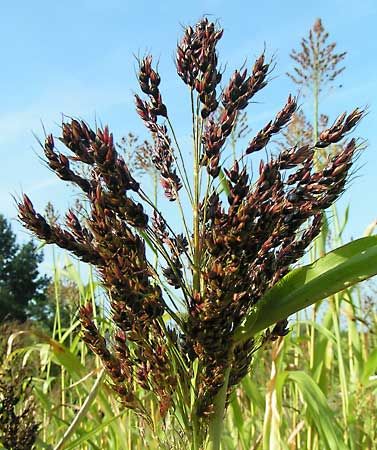
Sorghum (Sorghum bicolor) is a hardy cereal grain belonging to the grass family (Poaceae). It is a versatile plant valued for its resistance to heat and drought, making it a vital food source in arid regions. Depending on the variety, it is used for human consumption, livestock fodder, syrup production, and even biofuel.1
The plant likely originated in Africa, with evidence suggesting it was domesticated in Ethiopia approximately 3,000 years ago. From its African origins, the crop spread through trade routes to India, China, and other parts of East Asia. It was later introduced to the Americas, primarily through the slave trade, where it eventually became an important agricultural commodity for both grain and forage.12
Today, it ranks as the fifth most important cereal crop globally, serving as a staple food for millions and a key resource for industrial applications.2
How is sorghum cultivated and what are its main uses?
Sorghum is a robust cereal grain highly valued for its exceptional resistance to heat and drought, making it an essential crop in arid regions. While the provided search results detail its history, global importance, and diverse applications, they do not provide specific technical instructions on the methods of cultivation.1
Main Uses of Sorghum
Sorghum is a versatile plant with applications ranging from human nutrition to industrial production. Its primary uses include:1
- Human Consumption: As a gluten-free grain, it is commonly ground into meal or flour to create porridge, flatbreads, and cakes. It is also consumed as a whole-kernel food and used in brewing beer.13
- Livestock Feed: Varieties such as grass sorghums are grown specifically for hay, fodder, and silage.13
- Industrial and Commercial: The grain is processed to produce edible oil, starch, dextrose, and paste. Sweet sorghums are used for syrup manufacture and the production of ethyl alcohol for biofuel.1
- Materials: Certain varieties, such as broomcorn, are utilized in the manufacturing of brooms and brushes, while stalks are used as building materials.1
How is sorghum being used in gluten-free food production?
Sorghum is an increasingly important ingredient in the gluten-free market because it is naturally free of the proteins found in wheat and other grains that trigger celiac disease and gluten sensitivity.14
In food production, sorghum is typically processed by grinding the starchy seeds into a meal or flour. This flour serves as a versatile base for various baked goods, including:
- Porridge: A traditional and common use for the ground grain.1
- Flatbreads and Cakes: Because sorghum lacks the elastic gluten network—which normally traps carbon dioxide to help dough rise—it is often used in recipes for flatbreads or cakes where high elasticity is not required.14
While the grain has a characteristic strong flavor, food processors often use specific techniques to reduce this intensity, making it more palatable for a wider range of consumer products. Additionally, the starch derived from sorghum can be utilized in various food applications, with certain waxy varieties offering unique viscosity characteristics that are useful in food processing.15
How is genetic modification being applied to improve sorghum crops?
While genetic modification is a recognized tool for “biofortification”—the process of improving the nutritional quality of crops—the provided search results do not detail specific applications of genetic engineering currently used to improve sorghum crops.
Historically, the significant improvements in sorghum productivity have been achieved through traditional plant breeding techniques rather than genetic modification. Key advancements include:
- Hybridization: Successful hybridization in the late 1950s led to marked increases in crop yields, which subsequently encouraged greater acreage for cultivation.1
- Range Extension: Breeders developed earlier-maturing varieties that allowed grain sorghum to be grown successfully in northern regions, such as North Dakota, far beyond its original tropical range.6
- Mechanization: Breeding efforts have focused on creating varieties with uniform characteristics, such as consistent growth rates and maturity times, to facilitate efficient mechanical harvesting.6
While genetic modification is discussed in the context of broader agricultural goals—such as developing drought-tolerant or pest-resistant traits in other crops like corn—the current data does not specify these applications for sorghum.62
Sources
- Sorghum — Encyclopædia Britannica
- Origins of agriculture - Sorghum — Encyclopædia Britannica
- sweet sorghum — Merriam-Webster
- Cereal processing - Sorghum — Encyclopædia Britannica
- Gluten — Encyclopædia Britannica
- Plant breeding - Modifications of range and constitution — Encyclopædia Britannica
- Genetically modified organisms (GMOs) - Pro 3: Growing GMO crops has environmental benefits, such as reduced pesticide use, less water waste, and lower carbon emissions. — Encyclopædia Britannica
Published on · 3 min read