Quinoa
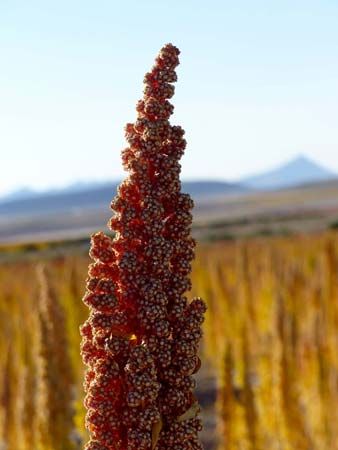
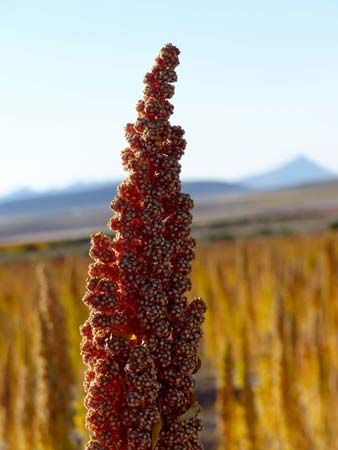
Quinoa (Chenopodium quinoa) is an annual herbaceous plant in the Amaranthaceae family, widely cultivated for its tiny, nutrient-dense seeds. Although often…
What is quinoa and where did it originate?
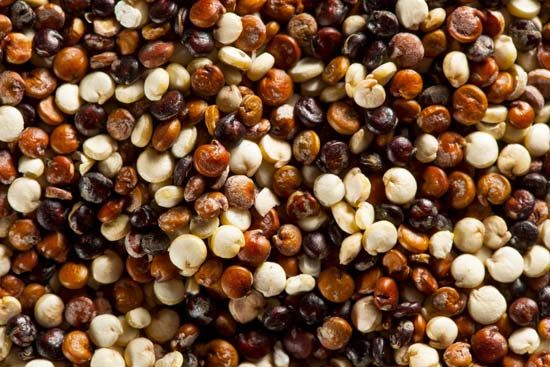
Quinoa (Chenopodium quinoa) is an annual herbaceous plant in the Amaranthaceae family, widely cultivated for its tiny, nutrient-dense seeds. Although often treated as a cereal, it is not a true grain; it is a complete protein source containing all nine essential amino acids, making it a popular “superfood”.12
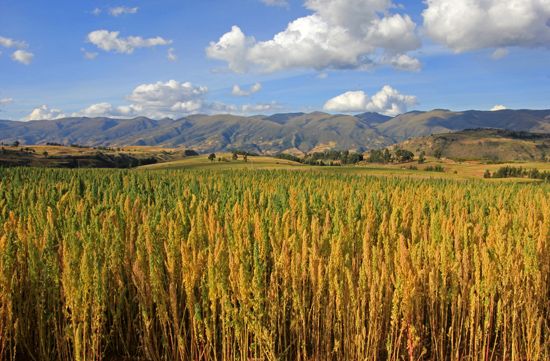
The plant is native to the Andean region of South America, where it has served as a staple crop for millennia. It was domesticated 3,000–5,000 years ago and held significant cultural and religious importance for pre-Columbian peoples, including the Inca, Aymara, and Quechua. While most commercial production remains concentrated in Peru and Bolivia, the plant’s resilience—including its ability to grow in poor soils and resist frost—has led to its cultivation in many other countries today.21
What are the nutritional benefits of quinoa?
Quinoa is widely recognized as a nutritional powerhouse, often categorized as a “superfood” due to its dense profile of essential nutrients. Its primary benefits include:123
- Complete Protein: Unlike most plant-based foods, quinoa contains all nine essential amino acids, making it a rare and valuable source of complete protein.23
- High Fiber and Oil: The seeds are rich in dietary fiber and healthy oils, which contribute to its nutritional value.23
- Vitamins and Minerals: Quinoa is an excellent source of several key micronutrients, including iron, magnesium, phosphorus, potassium, calcium, zinc, copper, and vitamin E.23
- Antioxidants: It contains a variety of antioxidants that support overall health.23
- Dietary Compatibility: Quinoa is naturally gluten-free, making it a versatile option for those with specific dietary restrictions.3
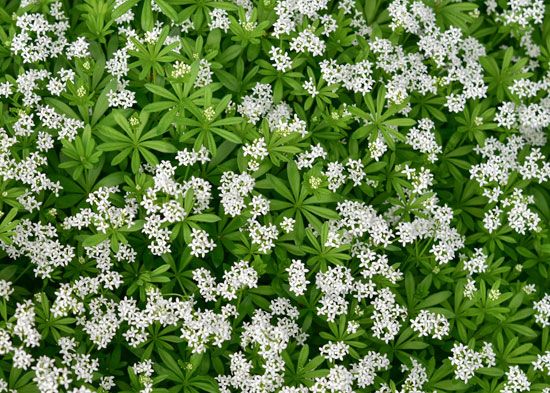
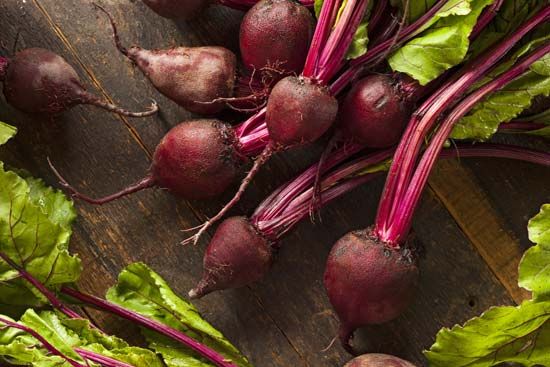
Additionally, the young leaves of the plant are edible and provide further nutritional value, similar to spinach or beet greens.2
What role did quinoa play in ancient Andean civilizations?
Quinoa (Chenopodium quinoa) played a vital role in the development and sustenance of ancient Andean civilizations, serving as a fundamental staple crop alongside maize and potatoes for millennia2.
Cultural and Historical Significance
- Staple Crop: Domesticated 3,000–5,000 years ago, quinoa was essential to the diets of pre-Columbian peoples, including the Inca, Aymara, and Quechua.2
- Religious Importance: The plant held deep spiritual significance for these Indigenous peoples. It is speculated that early Spanish explorers may have rejected or suppressed the crop due to its central role in local religious rituals.2
- Resilience: Its ability to thrive in poor soils and withstand frost made it a reliable food source in the challenging environment of the Andes highlands source in the challenging environment of the Andes highlands.2
Agricultural Integration
In the broader context of Andean agriculture, quinoa was part of a sophisticated system that supported large populations through irrigation, terracing, and the use of fertilizers. While the Inca empire relied on a labor tax that included agricultural work, the introduction of foreign grains like wheat and barley during colonization eventually led to a decline in quinoa production until its modern resurgence.425
What are some innovative uses of quinoa beyond traditional food preparations?
Beyond its role as a nutritious food source, quinoa has several innovative industrial applications, largely due to the bitter saponins found on the exterior of its seeds. These compounds, which are typically removed during food processing, are valuable in various sectors:21
- Pharmaceuticals: Saponins can be utilized in the production of pharmaceuticals, including the synthesis of steroids.2
- Consumer Goods: The compounds are effective ingredients in the manufacturing of soaps, detergents, and various cosmetics.2
- Industrial and Safety Uses: Saponins are also employed in beer production and as components in fire extinguishers.2
Furthermore, agricultural researchers are exploring the plant’s potential for food security due to its resilience in poor soils and its ability to withstand frost and drought. Notably, the National Aeronautics and Space Administration (NASA) has investigated the feasibility of growing quinoa aboard spacecraft to provide a sustainable food source for crews on long-term missions.2
Sources
- quinoa: Top Questions — Encyclopædia Britannica
- quinoa — Encyclopædia Britannica
- Nutritional Powerhouses: 8 Foods That Pack a Nutritional Punch — Encyclopædia Britannica
- Inca — Encyclopædia Britannica
- Origins of agriculture - South America — Encyclopædia Britannica
Published on · 3 min read