Spratly Islands
The Spratly Islands region is believed to hold significant reserves of natural gas and crude oil. While the exact size of these potential energy reserves…
What natural resources are believed to exist in the Spratly Islands region?
The Spratly Islands region is believed to hold significant reserves of natural gas and crude oil. While the exact size of these potential energy reserves remains widely contested, the discovery of these resources in the 1970s transformed the region from a location valued primarily for its strategic military and shipping importance into a highly sought-after area for resource extraction.123
Under the United Nations Convention on the Law of the Sea, coastal states are granted exclusive economic zones (EEZs) extending up to 200 nautical miles from their coasts, which provide them with exclusive rights to fishing and resource extraction. Because the Spratly Islands are claimed in whole or in part by several nations—including China, Vietnam, the Philippines, Taiwan, Malaysia, and Brunei—these overlapping claims have led to persistent geopolitical tensions regarding the rights to exploit these undersea assets.3124
Where are the Spratly Islands located, and what countries claim sovereignty over them?
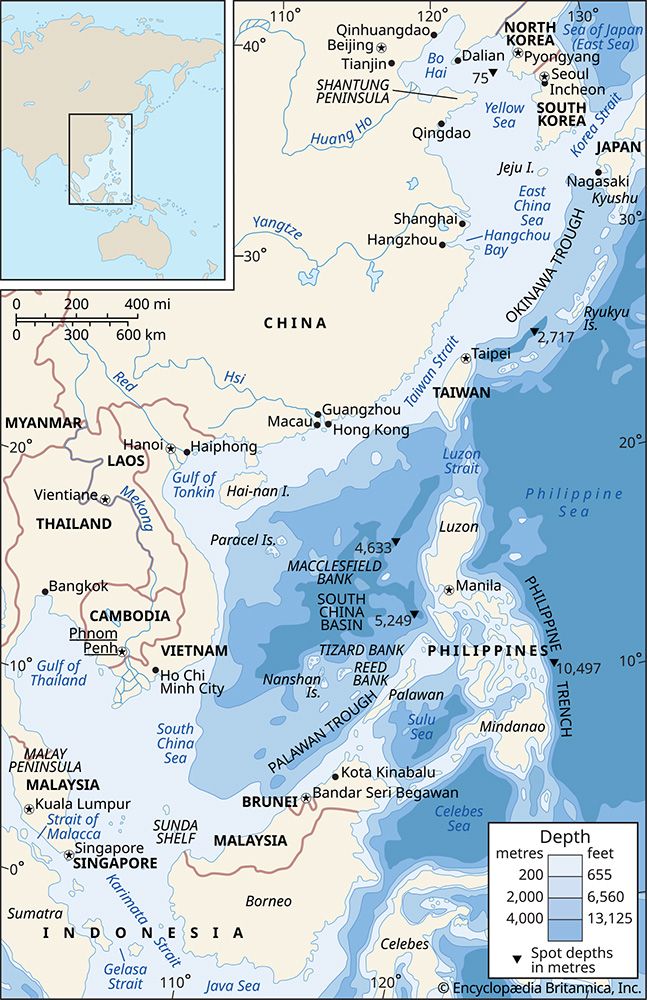
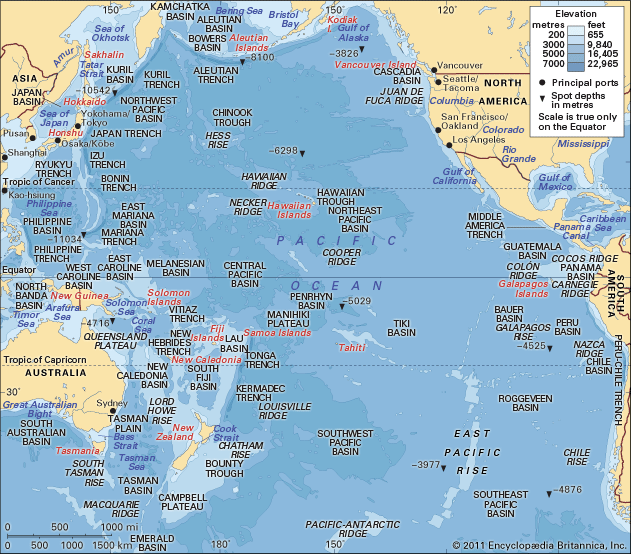
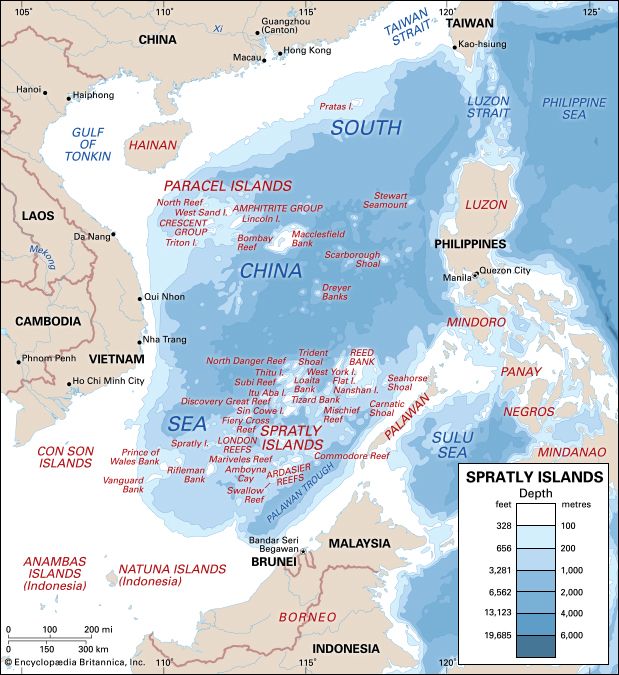
The Spratly Islands are a large group of reefs, shoals, atolls, and small islets located in the South China Sea of the Pacific Ocean. Geographically, they are situated north of Malaysia and roughly midway between Vietnam and the Philippines.3
Sovereignty over the archipelago is contested, with claims made—wholly or in part—by the following countries:
- China31
- Vietnam31
- The Philippines31
- Taiwan31
- Malaysia31
- Brunei (which has declared an exclusive economic zone that includes a Spratly reef)31
While these nations maintain conflicting claims, the United States does not recognize any of these claims, maintaining that the islands are located in international waters.3
How do the territorial disputes over the Spratly Islands affect international relations in Southeast Asia?
The territorial disputes over the Spratly Islands have become a central source of geopolitical friction in Southeast Asia, fundamentally reshaping regional alliances and international relations.41
Impact on Regional Alliances
China’s assertive claims and land reclamation activities have deeply alienated several neighboring countries, driving them to strengthen security ties with the United States. In response to perceived encroachment, nations like the Philippines have deepened military cooperation with the U.S., including joint naval drills and the formation of regional security frameworks such as AUKUS and the Quadrilateral Security Dialogue. This dynamic has increasingly polarized the region, as countries balance their economic interests with China against their security needs.3
Challenges to International Law
The disputes have highlighted the limitations of the United Nations Convention on the Law of the Sea (UNCLOS). Although a 2016 arbitral tribunal ruled that China’s “nine-dash line” claims were invalid under international law, China’s refusal to recognize the ruling has undermined the efficacy of international legal mechanisms. This defiance has created a volatile environment where maritime confrontations—such as the use of water cannons against vessels—threaten to escalate into broader conflict.23
Fragmentation of Regional Organizations
The disputes have also strained the unity of ASEAN. Member states remain divided on how to address Chinese expansion, preventing the organization from producing a unified stance and complicating efforts to manage the crisis through diplomacy.2
How has China’s island-building activity in the Spratly Islands changed the geopolitical landscape?
China’s intensive land reclamation in the Spratly Islands, which began in 2014, has significantly altered the geopolitical landscape by transforming submerged reefs into functional military outposts equipped with airstrips and naval facilities. This expansion has allowed China to project power far beyond its coast, effectively challenging the status quo in the South China Sea.37
The activity has exacerbated regional tensions, leading to increased friction with neighboring claimants like the Philippines and Vietnam. Furthermore, it has drawn the United States deeper into the conflict, as the U.S. maintains that these features are in international waters and has conducted operations to challenge China’s assertions of sovereignty.3
The 2016 ruling by an arbitral tribunal under the United Nations Convention on the Law of the Sea declared China’s island-building and expansive maritime claims unlawful. However, China’s rejection of this ruling has highlighted the limitations of international legal mechanisms, contributing to a more volatile and polarized regional environment.7
Sources
- territorial disputes in the South China Sea - 20th-century history — Encyclopædia Britannica
- territorial disputes in the South China Sea — Encyclopædia Britannica
- Spratly Islands — Encyclopædia Britannica
- territorial disputes in the South China Sea - Physiography and economic factors — Encyclopædia Britannica
- Spratly Islands — Merriam-Webster
- territorial disputes in the South China Sea - Escalation in the 2020s — Encyclopædia Britannica
- territorial disputes in the South China Sea - Early 21st-century developments — Encyclopædia Britannica
Published on · 3 min read