Salsify
Salsify (Tragopogon porrifolius) is a biennial herb belonging to the Asteraceae family, native to the Mediterranean region. It is primarily cultivated for…
What is Salsify?
Salsify (Tragopogon porrifolius) is a biennial herb belonging to the Asteraceae family, native to the Mediterranean region. It is primarily cultivated for its long, thick, white taproot, which is edible and often prepared by boiling, stewing, or frying. Because of its unique flavor, which some describe as reminiscent of oysters or artichoke hearts, it is frequently referred to as the “oyster plant” or “vegetable oyster”.123
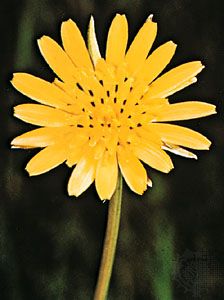
The plant is characterized by purple flowers and narrow, keeled leaves. A related species, Tragopogon pratensis, is known as goatsbeard or meadow salsify; it features a large yellow flower head and is sometimes used as an ornamental or in salads. Additionally, a distinct plant known as “black salsify” (Scorzonera hispanica) is also cultivated for its edible roots and winter greens.14
Why is salsify often called the oyster plant?
Salsify (Tragopogon porrifolius) is frequently called the “oyster plant” or “vegetable oyster” because of its distinct flavor, which many people compare to that of oysters.153
While this culinary comparison is the primary reason for the name, it is important to note that opinions on the taste vary significantly. Some individuals find the flavor reminiscent of oysters, while others suggest it is more similar to the taste of artichoke hearts. Regardless of the specific flavor profile, the plant’s long, white taproot is a versatile ingredient that is commonly prepared by boiling, stewing, or frying in butter.31
What are the differences between black and white salsify?
While both are commonly referred to as salsify, white and black salsify are distinct plants with different botanical classifications.
White Salsify (Tragopogon porrifolius)
- Family: A member of the Asteraceae family.
- Appearance: It is a biennial herb characterized by purple flowers and narrow, keeled leaves.
- Culinary Use: It is cultivated for its thick, white taproot, which is known for a flavor profile often compared to oysters.1
Black Salsify (Scorzonera hispanica)
- Classification: Although often grouped with white salsify in culinary contexts, it is a separate species known as Scorzonera.
- Characteristics: It is distinguished by its dark, black-skinned root.
- Culinary Use: Like white salsify, it is grown for its edible roots and is also valued for its winter greens.1
The information provided in the current knowledge base does not detail further specific differences in their cultivation requirements or nutritional profiles.
How does the Asteraceae family include other common vegetables?
The Asteraceae family, also known as the composite family, is one of the largest plant families and includes several common vegetables that are economically important as food crops. These plants are utilized for various edible parts, including roots, leaves, and seeds.89101
Key vegetables within the Asteraceae family include:
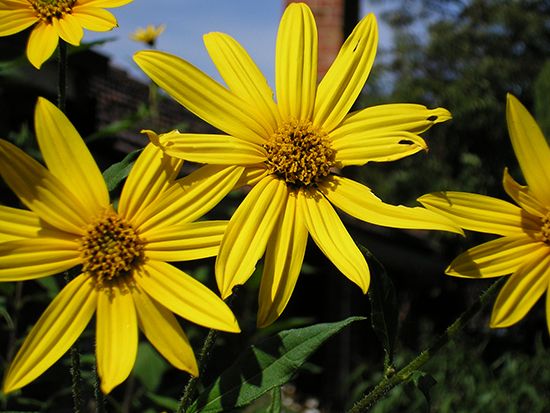
- Root Vegetables: Salsify (Tragopogon) and the Jerusalem artichoke (Helianthus tuberosus) are grown for their edible roots and tubers. Burdock (Arctium) is also recognized for its edible roots.101
- Leaf and Stem Vegetables: Lettuce (Lactuca), endive, and chicory (Cichorium) are widely consumed for their leaves.101
- Flower Vegetables: Artichokes (Cynara) and cardoon are notable examples of Asteraceae members used as food.9101
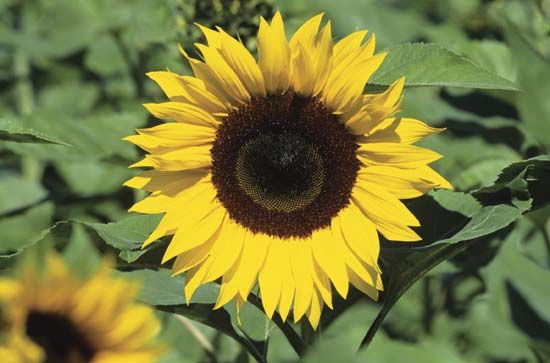
- Seed Crops: The seeds of safflower (Carthamus) and sunflower (Helianthus) are harvested for the production of cooking oils.10
- Sweeteners: Stevia (Stevia rebaudiana) is processed into noncaloric sweeteners.10
Sources
- Salsify — Encyclopædia Britannica
- 8 Delicious Words for Uncommon Fruits and Vegetables | Salsify — Merriam-Webster
- salsify — Merriam-Webster
- black salsify — Merriam-Webster
- vegetable oyster — Merriam-Webster
- oyster plant — Merriam-Webster
- Spanish salsify — Merriam-Webster
- Asteraceae — Encyclopædia Britannica
- list of plants in the family Asteraceae — Encyclopædia Britannica
- Asteraceae - Economic importance — Encyclopædia Britannica
- list of vegetables — Encyclopædia Britannica
Published on · 2 min read