Stikine River
The Stikine River is a 335-mile-long waterway flowing through northwestern British Columbia and southeastern Alaska. While the river system is fed by several…
What are some of the major tributaries of the Stikine River?
The Stikine River is a 335-mile-long waterway flowing through northwestern British Columbia and southeastern Alaska. While the river system is fed by several headstreams originating in the Stikine Ranges, its largest tributary is the Iskut River, which joins the main stem shortly before the river empties into the Pacific Ocean near Wrangell, Alaska.1
Where is the Stikine River located, and what are its major geographical features?
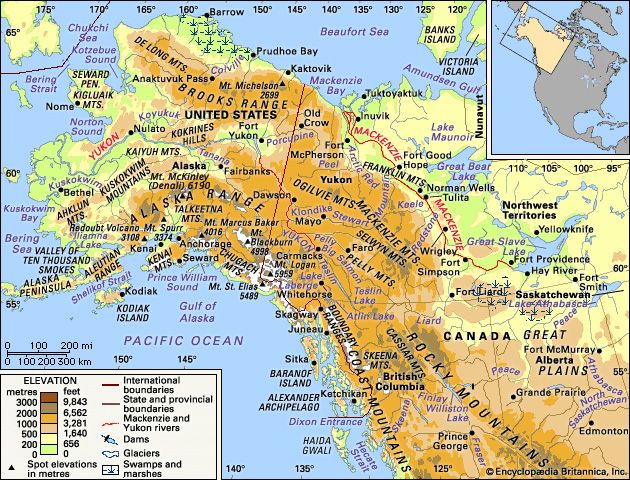
The Stikine River is located in northwestern British Columbia, Canada, and southeastern Alaska, United States. Spanning 335 miles (540 km), the river originates from several headstreams in the Stikine Ranges of northern British Columbia.
Its geography is defined by several notable features:
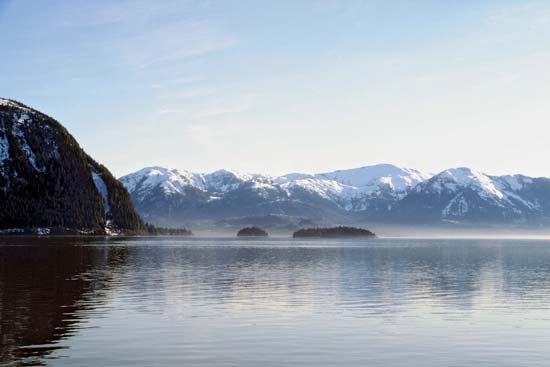
- Topography: The river flows in a wide arc, carving a path through narrow valleys frequently bordered by towering, snowcapped mountains.
- Protected Areas: Its course skirts the Spatsizi Plateau Wilderness and Mount Edziza provincial parks.
- Tributaries: The Iskut River serves as its largest tributary, joining the main stem shortly before the river reaches the Pacific Ocean north of Wrangell, Alaska.
- Glacial Influence: The region is associated with the Stikine Icefield, which feeds numerous valley glaciers in the surrounding Boundary Ranges.
- Navigability: The river is navigable for 168 miles (270 km) up to Telegraph Creek, British Columbia.
What is the length of the Stikine River and how does it compare to other major North American rivers?
The Stikine River has a length of 335 miles (540 km). In the context of North American geography, it is categorized as a “lesser river” that drains the northwestern region of British Columbia into the Pacific Ocean.145
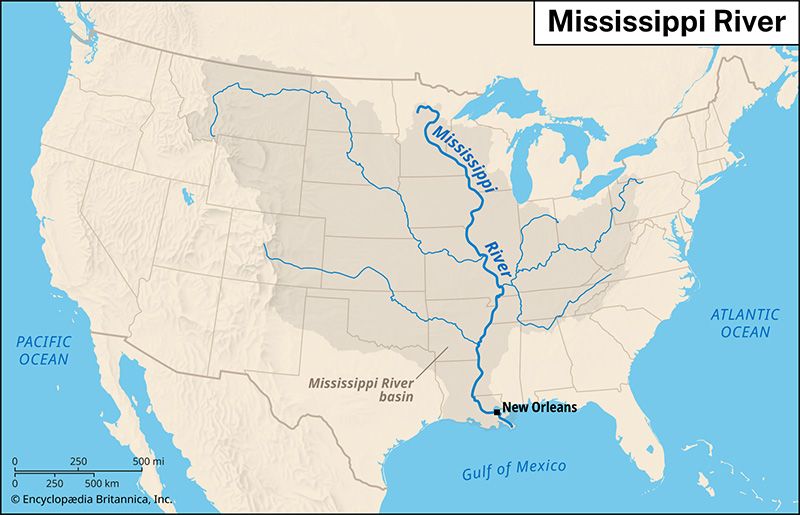
When compared to major continental systems, the Stikine is significantly smaller. For instance, the Mississippi River—the longest river in North America—stretches 2,340 miles (3,766 km), which is roughly seven times the length of the Stikine. While the Mississippi serves as a massive central artery draining a vast portion of the continent, the Stikine is a regional waterway defined by its passage through narrow, mountainous valleys and its role as a historic access route to northern mining regions.21
What types of recreational activities are popular on or around the Stikine River?
Sorry, the Britannica knowledge base does not contain information regarding specific recreational activities currently popular on or around the Stikine River.
Sources
- Stikine River — Encyclopædia Britannica
- Stikine — Merriam-Webster
- Alaskan mountains - Physiography of the southern ranges — Encyclopædia Britannica
- Mississippi River — Encyclopædia Britannica
- British Columbia - Drainage — Encyclopædia Britannica
Published on · 2 min read