Stora Sjöfallet National Park
Stora Sjöfallet National Park is a protected area located in northwestern Sweden, established in 1909. Situated near the Norwegian border and positioned just…
What is Stora Sjöfallet National Park?
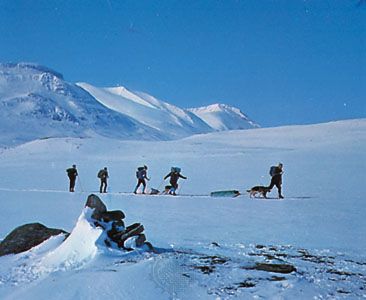
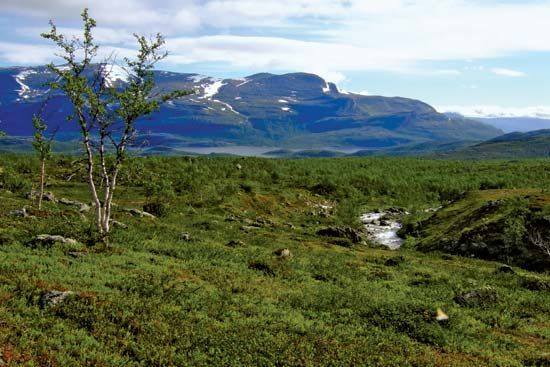
Stora Sjöfallet National Park is a protected area located in northwestern Sweden, established in 1909. Situated near the Norwegian border and positioned just north of Sarek National Park, the park is characterized by its mountainous and glacial terrain.1
The park’s name translates to “great waterfall,” referencing the Stora Falls on the upper Lule River, which drop 130 feet (40 metres) over a rocky crest. The landscape is divided by large lakes, such as Lake Akkaj, which serves as a reservoir for the Porjus power station. Additionally, the park supports a diverse range of wildlife and vegetation, spanning both tundra and woodland environments.1
What makes Sarek National Park unique?
Sarek National Park is unique primarily due to its rugged, almost inaccessible wilderness. Established in 1909 in northwestern Sweden, it encompasses the majority of the Sarek mountain range and is defined by a dramatic landscape of high peaks, deep valleys, wide plateaus, and numerous glaciers.2
Key features that distinguish the park include:
- Topography: The park contains several peaks exceeding 6,500 feet (2,000 metres), including Mount Sarek, which stands at 6,854 feet (2,089 metres) and is the second-highest mountain in Sweden.2
- Hydrology: The region is drained by the Rapa River, which flows through the park’s valleys before emptying into Lake Laitaure.2
- Biodiversity: Despite its harsh environment, the park is rich in vegetation and serves as a vital habitat for various wildlife, including bears, wolves, wolverines, and lynxes.2
- Location: It is situated in a remote area, adjoining Stora Sjöfallet National Park to the north and Padjelanta National Park to the west.23
How do hydroelectric power stations affect national parks?
Hydroelectric power stations can significantly impact national parks by transforming their natural landscapes and ecosystems. The construction of dams often leads to the inundation of valleys and the creation of reservoirs, which can destroy pristine environments, displace local populations, and submerge cultural or natural treasures.5
In many cases, these projects have sparked intense debate between the need for renewable energy and the desire to preserve protected areas. For example:
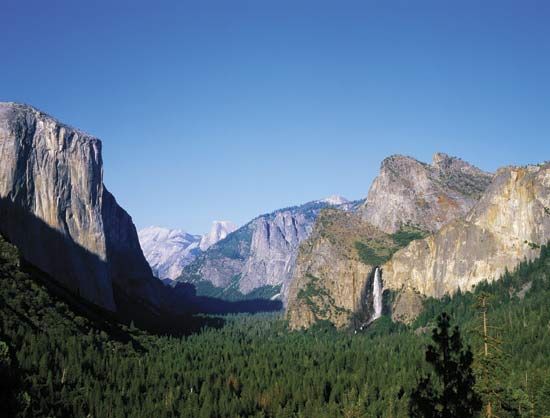
- Hetch Hetchy Valley: The construction of the O’Shaughnessy Dam within Yosemite National Park to provide water and hydroelectric power to San Francisco remains a landmark case in the history of environmental preservation, serving as a rallying cry for conservationists.5
- Stora Sjöfallet National Park: In Sweden, the park’s landscape is divided by large lakes, including Lake Akkaj, which functions as a reservoir for the Porjus power station.1
- Ecological Disruption: Beyond landscape alteration, dams can impede the migration of fish and disrupt riparian ecosystems, leading to the loss of biodiversity.5
While hydroelectric power offers significant energy benefits, its presence within or near national parks often creates a tension between industrial development and the ethical imperative to protect natural heritage.5
What kind of wildlife lives in the Swedish tundra?
The Swedish tundra, characterized by its treeless mountain heaths and alpine environment, supports a variety of specialized wildlife adapted to harsh conditions.
Mammals
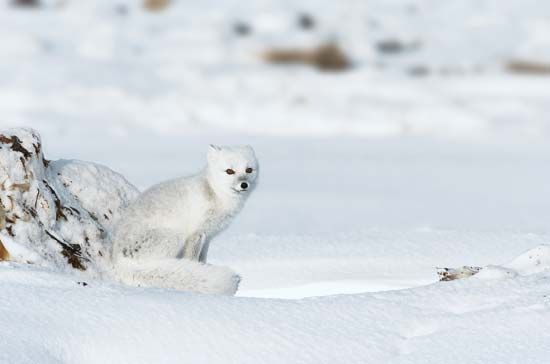
The region is home to several iconic Arctic species. Large herbivores include reindeer, which are often herded by the Sami people, and predators such as wolverines, Arctic foxes, and brown bears. Small mammals like lemmings are particularly significant; they remain active under the snow during winter and serve as a primary food source for many predators.678910
Birds
While many birds are migratory, visiting the tundra during the short summer to breed, a few species remain year-round. Notable residents include the ptarmigan and the snowy owl, which are well-adapted to the cold. During the summer, the area attracts numerous migratory birds, including various waders, golden eagles, and merlins, which take advantage of the abundant insect life.11124108
Sources
- Stora Sjöfallet National Park — Encyclopædia Britannica
- Sarek National Park — Encyclopædia Britannica
- Sariska National Park — Encyclopædia Britannica
- Padjelanta National Park — Encyclopædia Britannica
- dam - Rise of environmental and economic concerns — Encyclopædia Britannica
- Sweden - Plant and animal life — Encyclopædia Britannica
- Tundra - Arctic mammals — Encyclopædia Britannica
- Norway - Plant and animal life — Encyclopædia Britannica
- Tundra - Birds — Encyclopædia Britannica
- Tundra - Animal life — Encyclopædia Britannica
- Asia - The tundra — Encyclopædia Britannica
- Canada - Tundra — Encyclopædia Britannica
Published on · 3 min read