Sumatra
Islam has profoundly shaped Sumatra’s culture and society since its arrival in the late 13th century, primarily through trade networks that established early…
How has Islam influenced Sumatra’s culture and society since its introduction?
Islam has profoundly shaped Sumatra’s culture and society since its arrival in the late 13th century, primarily through trade networks that established early Muslim centers like Samudra-Pasai and Aceh.12
Key cultural and societal influences include:
- Religious Identity: Islam emerged as a dominant force, shifting regions away from earlier Shaivite-Mahayana traditions. While it became the primary faith, it often integrated with local customs, leading to a distinct expression of the religion compared to the Middle East.13
- Political Structure: The rise of self-consciously Muslim states, such as Aceh, transformed governance. These states engaged in international diplomacy, including alliances with the Ottoman Empire, and utilized religious institutions to foster scholarly activity and administration.12
- Architecture and Arts: Islamic influence is visible in mosque design, which evolved over centuries. While early structures often incorporated pre-Islamic elements, later periods saw the introduction of diverse styles, including freestanding minarets and, more recently, a revival of traditional teak construction.4
- Education: The introduction of Qur’an schools provided a new framework for learning, which eventually integrated with secular studies in the modern era.5
How has Sumatra’s climate and weather patterns affected its agriculture and way of life?
Sumatra’s climate and weather patterns are defined by its equatorial location and high moisture levels, which fundamentally dictate the island’s agricultural practices and way of life.
Climate and Agricultural Impact
Sumatra experiences a hot, extremely moist climate with no true dry season, though precipitation levels may dip slightly in July and August. This consistent rainfall and high temperature support a lush environment but also present significant challenges for soil fertility. Tropical soils in the region are often leached of nutrients by heavy rains, and the rapid decomposition of organic matter leaves the soil deficient in humus.678
These conditions have shaped two distinct agricultural approaches:
- Plantation Agriculture: Large-scale agribusinesses, particularly in the northeastern coastal region around Medan, utilize capital and skilled management to produce export crops like rubber, palm oil, tobacco, tea, and coffee. These systems are better equipped to manage the high prevalence of weeds, insects, and disease organisms that thrive in the tropical climate.79810
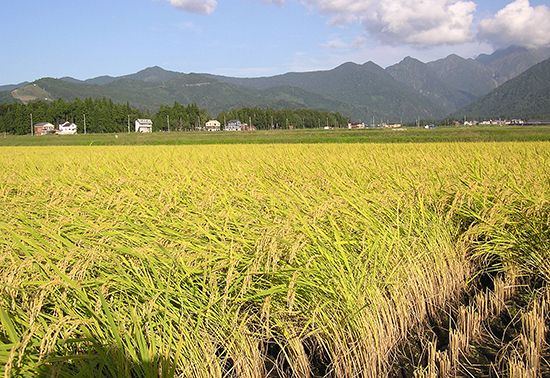
- Subsistence Farming: Small-scale farmers focus on crops such as rice, corn, cassava, and various vegetables. While rice remains a cornerstone of local agriculture, the climate’s intensity has historically encouraged “slash-and-burn” (swidden) practices, where farmers move to new fields as soil productivity declines.7910
Environmental and Social Consequences
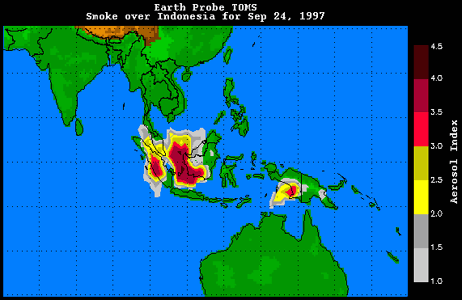
The combination of high rainfall and agricultural expansion has led to significant environmental issues. Large-scale clearing for plantations and subsistence farming has contributed to deforestation and frequent forest fires, which generate haze that affects neighboring countries. Furthermore, the island’s geography—characterized by the Barisan Mountains—creates localized weather variations, influencing where populations settle and how they transport goods, often relying on rivers and mountain trails in areas where road networks are less developed.967
What impact did Dutch colonial rule have on Sumatra’s development and economy?
Dutch colonial rule profoundly transformed Sumatra’s economy and social structure, particularly through a shift from localized trade to a large-scale plantation economy.
Economic Transformation
While the Dutch East India Company established early footholds in western Sumatra and regions like Jambi and Palembang to control the pepper trade, major expansion occurred in the 19th century. Following the implementation of the Liberal Policy in 1870, Sumatra’s east coast became the center of a vast plantation economy. Unlike earlier systems where indigenous farmers grew export crops, this new model relied on corporate-owned estates producing industrial raw materials such as rubber, tin, and oil. To support this, the Dutch developed infrastructure, including roads and railways, to link the island’s interior to shipping services.121314
Political and Social Impact
Dutch control was often achieved through military force, most notably in the Acehnese War, which lasted from 1873 to 1904 and brought the northern tip of the island under colonial rule. This expansion necessitated a more centralized administrative system, which altered traditional power structures. The influx of Dutch civil servants and managers created European enclaves, deepening social divisions along racial lines. Furthermore, the rise of contract labor on estates disrupted traditional village life, contributing to a growing population of workers who were increasingly disconnected from their customary social support systems.141516
What are some of the famous historical landmarks and cultural sites in Sumatra?
Sumatra is home to a variety of significant historical and cultural sites that reflect its rich past as a center of trade and empire.
Historical and Archaeological Landmarks
- Srivijaya Heartland (Palembang): Archaeological surveys near Palembang have identified the region as the center of the Srivijaya empire, a powerful maritime polity that flourished from the 7th to the 14th century. Key findings include stupa remains at the foot of Seguntang Hill (Bukit Seguntang) and a vast collection of Buddhist and Hindu statuary recovered from the Musi River basin.1718
- Ombilin Coal Mining Heritage: Located in Sawahlunto, this site is recognized for its industrial history and is listed as a World Heritage site.19
Natural and Cultural Heritage
- Tropical Rainforest Heritage of Sumatra: This site, which includes Mount Leuser, Kerinci Seblat, and Bukit Barisan Selatan national parks, was designated a UNESCO World Heritage site in 2004. It is celebrated for its exceptional biodiversity and unique ecosystems.319
Cultural Milieu
Sumatra’s cultural landscape is further defined by its diverse ethnic groups, such as the Batak near Lake Toba and the Minangkabau of the Padang Highlands. These regions are known for their distinct ritualized speech and epic narrative traditions, which remain integral to the island’s living heritage.73
Sources
- history of Indonesia - Muslim kingdoms of northern Sumatra — Encyclopædia Britannica
- Indonesia - Muslim kingdoms of northern Sumatra — Encyclopædia Britannica
- Southeast Asian arts - 16th century to the present — Encyclopædia Britannica
- Indonesia - Religions of Indonesia — Encyclopædia Britannica
- education - Indonesia — Encyclopædia Britannica
- Indonesia - Climate — Encyclopædia Britannica
- Sumatra — Encyclopædia Britannica
- Agricultural technology - Tropical farming — Encyclopædia Britannica
- Indonesia - Agriculture, forestry, and fishing — Encyclopædia Britannica
- Malaysian-Australian monsoon — Encyclopædia Britannica
- Agricultural technology - Plant-pest problems — Encyclopædia Britannica
- history of Indonesia - Dutch territorial expansion — Encyclopædia Britannica
- Acehnese War — Encyclopædia Britannica
- history of Indonesia - Growth and impact of the Dutch East India Company — Encyclopædia Britannica
- Indonesia - The Culture System — Encyclopædia Britannica
- history of Indonesia - Dutch rule from 1815 to c. 1920 — Encyclopædia Britannica
- history of Indonesia - The Malay kingdom of Srivijaya-Palembang — Encyclopædia Britannica
- Indonesia - The Malay kingdom of Srivijaya - Palembang — Encyclopædia Britannica
- Indonesia - Cultural milieu — Encyclopædia Britannica
- Java - Cultural heritage — Encyclopædia Britannica
- list of World Heritage sites - Indonesia — Encyclopædia Britannica
Published on · 5 min read