Sunflower
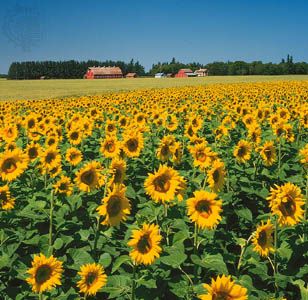
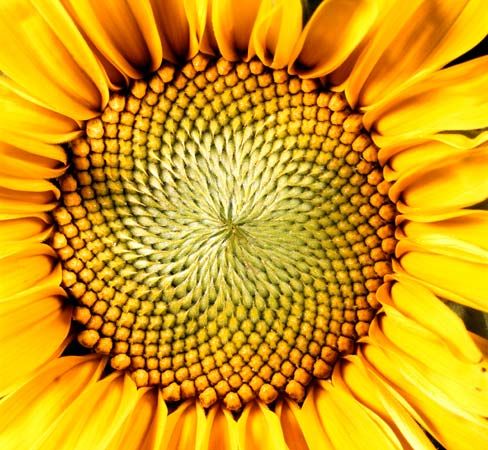
The common sunflower (Helianthus annuus) is native to North America.
How did sunflowers originate and where are they native to?
The common sunflower (Helianthus annuus) is native to North America.1
The plant’s history as a cultivated crop dates back thousands of years. Indigenous peoples in the river valleys east of the Mississippi River began incorporating sunflowers into their agricultural practices during the prehistoric period. By approximately 3000 BCE, these societies had successfully domesticated the sunflower, relying on its seeds as a vital food source. This early cultivation helped establish the economic foundation for sophisticated societies, such as the Adena and Hopewell cultures, which flourished in the Illinois and Ohio river valleys.2
Today, the sunflower is widely recognized for its economic and ornamental value, serving as a significant commercial crop for its seeds and oil1.
What are the various uses of sunflowers in agriculture, industry, and cuisine?
Sunflowers are highly versatile plants with significant applications across agriculture, industry, and cuisine.
Culinary Uses
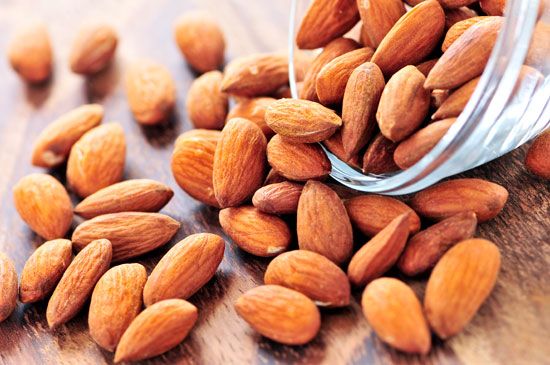
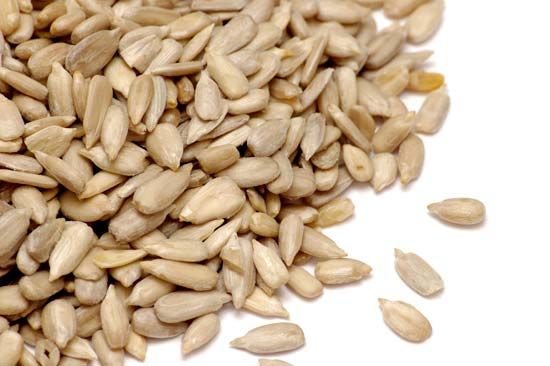
The most prominent food product derived from the plant is sunflower oil. This oil is prized for its mild flavor and is considered comparable to olive or almond oil for table use. While some high-quality oils are used after minimal processing, such as cold-pressing, others undergo extensive refining to meet demands for stability in salad oils and shortening. Additionally, the seeds themselves are consumed dried, roasted, or ground into nut butter.13
Agricultural and Industrial Uses
- Animal Feed: The leaves of the plant are utilized as fodder, and the oil cake—the byproduct remaining after oil extraction—is a common feed for livestock and poultry.1
- Birdseed: Sunflower seeds are a staple ingredient in many birdseed mixes.1
- Manufacturing: The oil is used in the production of soaps, paints, varnishes, and lubricants.14
- Dyes: The flowers are a source of yellow dye.1
What are some common varieties of sunflowers, and how do they differ?
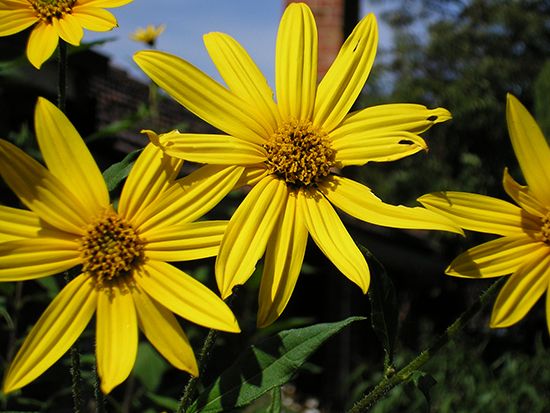
Sunflowers are primarily categorized based on their intended use, which dictates the physical characteristics of their seeds. While the common sunflower (Helianthus annuus) is the most recognizable species, the genus Helianthus includes nearly 70 other species, such as the Jerusalem artichoke, which is grown for its edible underground tubers rather than its seeds.1
Within the common sunflower species, varieties are generally divided into two main types:
- Oilseed Varieties: These are cultivated specifically for the production of sunflower oil. They are characterized by small, solid black achenes (the fruit containing the seed) that are rich in oil content.1
- Confection Varieties: These are grown for direct human consumption. They produce larger, black-and-white striped achenes that are designed to separate easily from the seed within, making them ideal for snacking.1
Beyond these commercial types, many sunflowers are cultivated as ornamentals for their large, showy flower heads, which can reach 30 cm or more in diameter in domestic varieties.1
What is heliotropism and why do young sunflowers exhibit it?
Heliotropism is the biological phenomenon in which a plant’s organs, such as leaves or flower buds, track the movement of the Sun across the sky5.5
Young sunflowers exhibit this behavior to maximize their exposure to light, which enhances photosynthesis and promotes vigorous growth. This daily movement is regulated by the plant’s internal circadian clock, which coordinates asymmetrical growth in the stem. During the day, cells on the east side of the stem grow faster, causing the plant to bend westward; at night, growth shifts to the west side, turning the plant back toward the east.6
As sunflowers mature, this heliotropic movement gradually ceases. Mature flower heads typically remain fixed facing east. This stationary orientation is advantageous because it allows the flowers to warm up more quickly in the morning, which attracts more pollinating insects and may lead to the production of larger, heavier seeds.6
Sources
- Sunflower — Encyclopædia Britannica
- Indigenous peoples of the Americas - Prehistoric agricultural peoples — Encyclopædia Britannica
- sunflower oil — Merriam-Webster
- fat and oil processing - Processing of extracted oil — Encyclopædia Britannica
- Do sunflowers really follow the Sun? — Encyclopædia Britannica
- Did you know? — Merriam-Webster
Published on · 3 min read