Legume
A legume is the fruit of a plant belonging to the pea family (Fabaceae). Most legumes are dehiscent, meaning they split open along two seams to release their…
What are legumes, and what are some common examples of legume plants?
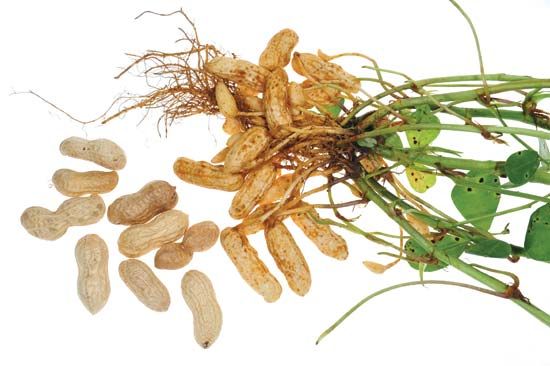
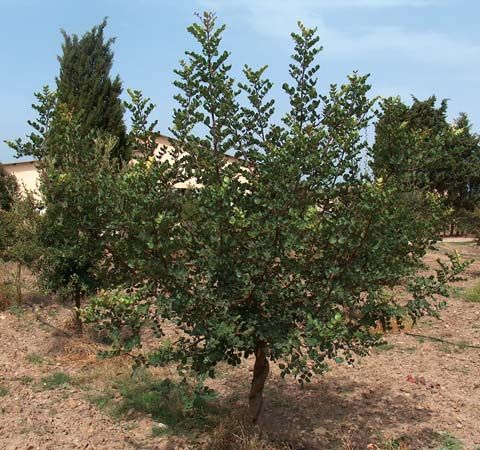
A legume is the fruit of a plant belonging to the pea family (Fabaceae). Most legumes are dehiscent, meaning they split open along two seams to release their seeds at maturity, although some, such as peanuts and carobs, do not naturally open.1
Legumes are highly valued as a food source because they are rich in protein, fiber, and essential amino acids. Many leguminous crops also have a symbiotic relationship with nitrogen-fixing bacteria, which allows them to improve soil conditions when rotated with other crops. While many species are edible, it is important to note that not all members of the family are safe for consumption; for example, the jequirity bean is deadly poisonous1.2134
Common examples of legume plants include:
- Soybeans
- Peanuts
- Beans (such as common beans, lima beans, and broad beans)
- Chickpeas
- Lentils
- Peas
- Cowpeas
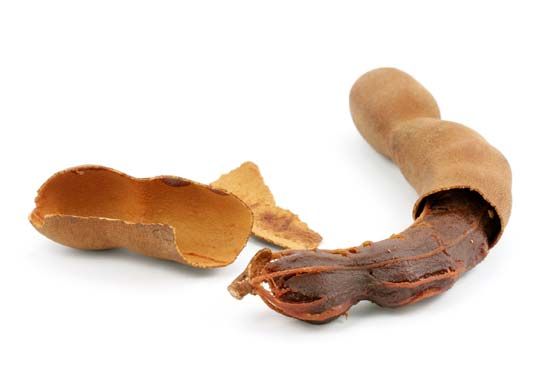
- Tamarind215
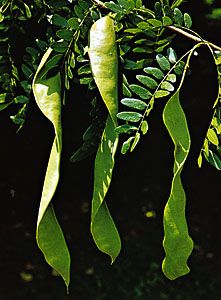
What is the botanical structure of a legume fruit, and how does it develop?
A legume, or pod, is a specialized fruit characteristic of the Fabaceae family. Botanically, it develops from a single carpel of a flower’s pistil.62
Structure and Development
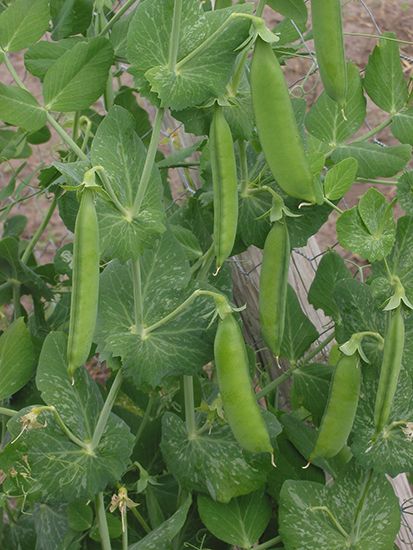
The development of a legume begins after fertilization, when the flower’s ovary begins to enlarge and mature into the fruit, while the ovules inside develop into seeds develop into seeds. In the basic, idealized form—such as a pea or bean pod—the fruit bears two rows of ovules along the upper suture.76
At maturity, the fruit wall typically becomes dry and papery or hard and woody. Most legumes are dehiscent, meaning they split open along one or both edges (sutures) to release their seeds. However, evolutionary modifications have led to diverse variations:68
- Indehiscent fruits: Some species, such as locusts, do not split open when ripe.6
- Segmented fruits: Others break apart into single-seeded segments at maturity.6
- Fleshy fruits: Certain tropical species develop a fleshy, plumlike coat.6
- Subterranean development: The peanut is a unique example where the ovary elongates and matures underground.6
What is the significance of nitrogen fixation in legume plants?
Nitrogen fixation is a critical ecological and agricultural process primarily facilitated by a symbiotic relationship between legumes and Rhizobium bacteria. While atmospheric nitrogen makes up 80 percent of the air, it is unusable by most living organisms until it is converted into ammonia or nitrates.11
In this symbiosis, the bacteria inhabit root nodules, where they convert nitrogen gas into compounds the plant can use for development. When the plant dies or its roots decay, this nitrogen is released into the soil, enriching it for other vegetation.1211
The significance of this process includes:
- Agricultural Sustainability: Legumes are essential for crop rotation, as they naturally replenish soil nitrogen, reducing the need for synthetic fertilizers.11
- Ecosystem Support: Most of the world’s forests, prairies, and deserts rely on the nitrogen-fixing capabilities of legumes to sustain their plant life.11
- Soil Health: As cover crops, legumes help prevent erosion and can be used as green manure to improve soil fertility.11
How are legumes used in crop rotation systems?
Legumes are fundamental to crop rotation systems due to their unique ability to fix atmospheric nitrogen through a symbiotic relationship with Rhizobium bacteria. By incorporating legumes into a sequence with row crops (like corn) and close-growing grains, farmers can maintain soil fertility and productivity without relying solely on synthetic fertilizers.1213
Key Benefits in Rotation
- Soil Enrichment: Legumes replenish soil nitrogen when their roots and plant parts decay, releasing nitrogen compounds into the soil. While some legumes, such as soybeans, store much of their nitrogen in harvested seeds, others like alfalfa and clover are highly effective at building up nitrogen levels.1214
- Erosion Control: As sod-forming or “rest” crops, legumes provide vegetative cover that protects sloping land from erosion and improves overall soil structure.1413
- Pest and Weed Management: Rotating crops changes the growing environment, which helps disrupt the life cycles of weeds, insects, and diseases that might otherwise thrive in a continuous monoculture.1214
- Versatility: Legumes can be harvested for hay or silage to support livestock, or they can be plowed under as green manure to add organic matter to the soil.1213
Sources
- Fabaceae: Top Questions — Encyclopædia Britannica
- Legume — Encyclopædia Britannica
- Fabaceae - Food and fodder crops — Encyclopædia Britannica
- human nutrition - Legumes — Encyclopædia Britannica
- Bean — Encyclopædia Britannica
- Fabaceae - Physical description — Encyclopædia Britannica
- Fruit: Top Questions — Encyclopædia Britannica
- Carpel — Encyclopædia Britannica
- legume — Merriam-Webster
- Angiosperm - Ovules — Encyclopædia Britannica
- Nitrogen-fixing bacteria — Encyclopædia Britannica
- Fabaceae - Nitrogen fixation — Encyclopædia Britannica
- Agricultural technology - Crop rotation — Encyclopædia Britannica
- Crop rotation — Encyclopædia Britannica
Published on · 3 min read