Symphyta
The suborder Symphyta, which includes sawflies, horntails, and wood wasps, is distinguished from the other Hymenoptera suborder, Apocrita, by several key…
What are the main characteristics that distinguish Symphyta from other groups of insects?
The suborder Symphyta, which includes sawflies, horntails, and wood wasps, is distinguished from the other Hymenoptera suborder, Apocrita, by several key anatomical and developmental characteristics:
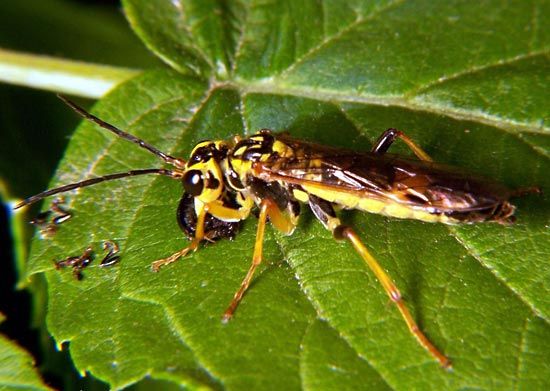
- Body Structure: Unlike members of the Apocrita, which possess a narrow, constricted “waist” between the thorax and abdomen, Symphyta have a broad midsection where the abdomen and thorax meet.123
- Larval Form: Symphyta larvae are typically caterpillar-like, usually featuring three pairs of thoracic legs and six to eight pairs of abdominal prolegs. In contrast, Apocrita larvae are generally maggotlike and lack legs.14
- Ovipositor Function: Female Symphyta possess a well-developed, sawlike ovipositor used to create slits in plant stems or leaves for egg-laying. In other Hymenoptera, this organ is modified for stinging or piercing.13
- Diet: With the exception of the parasitic wood wasp family Orussidae, all Symphyta are phytophagous (plant-eating).1
How do Symphyta differ from other Hymenoptera, such as bees and wasps?
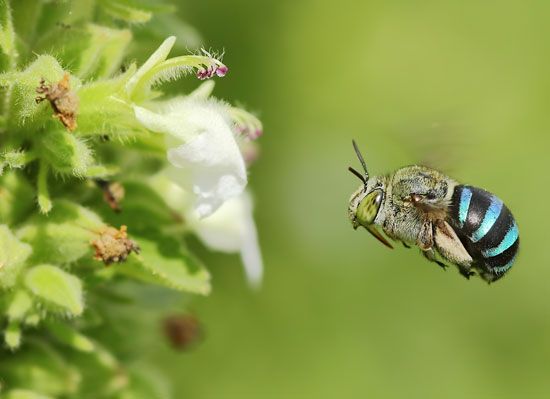
The suborder Symphyta, which includes sawflies, horntails, and wood wasps, is distinguished from the suborder Apocrita—the group containing bees, ants, and wasps—by several fundamental biological and anatomical traits.127
Key Differences
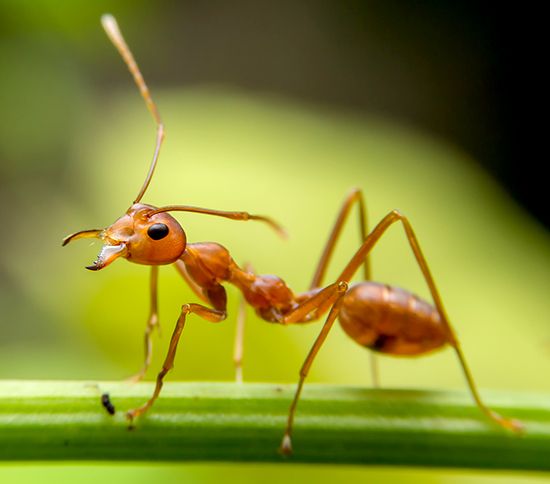
- Body Morphology: The most prominent physical distinction is the “waist.” In Symphyta, the thorax and abdomen are joined broadly, whereas in Apocrita, these body segments are separated by a narrow, constricted waist.173
- Larval Development: Symphyta larvae are typically caterpillar-like, often possessing three pairs of thoracic legs and six to eight pairs of abdominal prolegs. Conversely, Apocrita larvae are generally maggotlike, lack legs, and have softer, thinner head coverings.137
- Ovipositor Function: Female Symphyta possess a well-developed, sawlike ovipositor used to cut into plant tissue for egg-laying. In many Apocrita, this organ is modified into a stinger or a piercing tool.173
- Dietary Habits: Most Symphyta are phytophagous (plant-eating), often acting as pests to timber and crops. While some Apocrita are also plant-eaters, many are carnivorous, parasitic, or have complex social organizations involving the collection of nectar and pollen.173
What are some common examples of Symphyta insects that people might encounter?
The suborder Symphyta includes a diverse range of insects, primarily sawflies, horntails, and wood wasps. While they are often overlooked, several species are frequently encountered in gardens, forests, and timber-rich areas:
- Pigeon Tremex (Tremex columba): A common North American horntail, this insect is roughly 3.75 cm long with a distinctive black and brown body, yellow stripes, and yellow legs.8
- Elm Sawfly (Cimbex americana): A large, robust, dark blue insect about 2.5 cm long, recognizable by its club-shaped antennae. Its larvae are commonly found feeding on elm and willow trees.4
- Pear Slug (Caliroa cerasi): Despite its name, this is a sawfly species whose larvae are known to feed on the leaves of pear, cherry, and plum trees.4
- Larch Sawfly (Pristiphora erichsonii): Often found in North America, this species can be highly destructive to larch trees.4
- Cedar Wood Wasp (Syntexis libocedrii): Found in the Pacific coastal states of North America, these small insects bore into the wood of incense cedars.9
How does the ‘wasp waist’ benefit members of the suborder Apocrita?
The “wasp waist,” or the constriction between the thorax and the abdomen, is a defining diagnostic feature of the suborder Apocrita. While the provided search results identify this anatomical trait as a key evolutionary advancement that distinguishes Apocrita from the more primitive Symphyta, they do not explicitly detail the specific functional or mechanical benefits this morphology provides to the insect.
In general biological terms, this narrow connection—often called a petiole—is known to provide increased flexibility to the abdomen, which is essential for the complex behaviors observed in many Apocrita, such as precise stinging, nest construction, and maneuvering during flight. However, the specific evolutionary advantages of this structure are not elaborated upon in the current Britannica knowledge base entries provided.
Sources
- Symphyta — Encyclopædia Britannica
- list of ants, bees, and wasps — Encyclopædia Britannica
- Hymenoptera - Egg and larva — Encyclopædia Britannica
- sawfly — Encyclopædia Britannica
- Hymenoptera - External structure — Encyclopædia Britannica
- thread-waisted wasp — Encyclopædia Britannica
- Hymenoptera - Annotated classification — Encyclopædia Britannica
- horntail — Encyclopædia Britannica
- wood wasp — Encyclopædia Britannica
- horntail — Merriam-Webster
- symphylan — Encyclopædia Britannica
- Symphyta — Merriam-Webster
- Symphytum — Merriam-Webster
- Apocrita — Encyclopædia Britannica
Published on · 3 min read