Tamarind
The tamarind (Tamarindus indica) is an evergreen tree belonging to the pea family (Fabaceae). While its name is derived from the Arabic tamr hindī, meaning…
What is tamarind and where does it originate from?
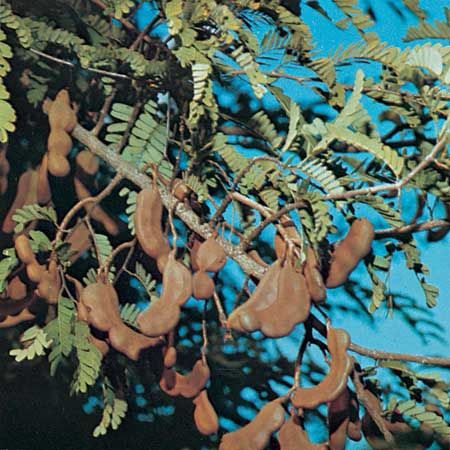
The tamarind (Tamarindus indica) is an evergreen tree belonging to the pea family (Fabaceae). While its name is derived from the Arabic tamr hindī, meaning “Indian date,” the tree is actually native to tropical Africa.12
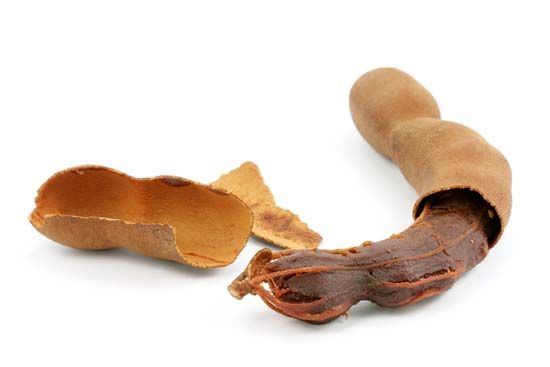
The tree is widely cultivated across tropical and subtropical regions for its edible fruit, which consists of a plump legume pod containing seeds embedded in a sticky, sweet-and-sour pulp. This pulp is a staple ingredient in the cuisines of the Indian subcontinent, Central America, and Mexico, where it is used to flavor various foods, beverages, and preserves. Beyond its culinary uses, the tree is valued as an ornamental plant, and its hard, yellowish wood is utilized in carpentry.12
How is the tamarind tree cultivated and what are its growing conditions?
The tamarind (Tamarindus indica) is a robust evergreen tree that thrives in tropical and subtropical climates. While the provided information confirms its widespread cultivation in these regions for its edible fruit and ornamental value, specific technical details regarding its propagation methods, soil requirements, or precise irrigation needs are not contained in the current knowledge base.1
The tree is known to reach heights of approximately 24 meters (80 feet) and features pinnately compound leaves and yellow flowers arranged in small clusters. Its fruit develops as a non-splitting legume pod, which houses seeds within a distinctive sweet-and-sour pulp.1
How is tamarind used in various cuisines around the world?
Tamarind is a versatile ingredient prized for its unique sweet-and-sour flavor profile. Its brownish, sticky, and acidic pulp is a fundamental component in the culinary traditions of the Indian subcontinent, Central America, and Mexico1.
Across these regions, the pulp is utilized in several key ways:
- Flavoring: It is frequently used to add a distinct tang to a wide variety of foods and beverages.12
- Preserves and Pastes: The pulp is commonly processed into concentrated pastes or preserved for long-term use in cooking.2
- Beverages: The fruit is macerated in water to create refreshing drinks, a practice also seen with the related velvet tamarind, which is used to relieve thirst.23
Beyond these primary culinary applications, the pulp is also valued for its use in traditional medicines.1
What are some traditional medicinal uses of tamarind?
The tamarind (Tamarindus indica) has a long history of use in traditional medicine, where its sweet-and-sour pulp is valued for various health-related applications. While the pulp is widely recognized for its role in these traditional practices, the provided search results do not detail the specific medical conditions or ailments it is used to treat.1
The tree itself is a member of the Fabaceae family and is native to tropical Africa, though it is now cultivated extensively across the Indian subcontinent, Central America, and Mexico. Beyond its medicinal and culinary uses, the tree is also appreciated as an ornamental plant, and its hard, yellowish wood is utilized in carpentry.14
Sources
- tamarind — Encyclopædia Britannica
- tamarind — Merriam-Webster
- velvet tamarind — Merriam-Webster
- wild tamarind — Merriam-Webster
Published on · 2 min read