Tell
A tell (also spelled tall) is a raised mound found in the Middle East that marks the site of an ancient city. It is important to distinguish a tell from a…
What is a tell-mound and how is it formed?
A tell (also spelled tall) is a raised mound found in the Middle East that marks the site of an ancient city. It is important to distinguish a tell from a burial mound, which is an artificial structure specifically built to house the remains of the dead.123
A tell is formed through the gradual accumulation of debris over long periods of human habitation. In ancient times, buildings were frequently constructed from mud, clay, or sun-dried bricks. Because these materials are fragile and prone to weathering, structures often collapsed or were destroyed by natural or man-made causes. Rather than clearing the site entirely, inhabitants would level the debris and build new structures directly on top of the old ones.
Over centuries of repeated occupation, this process created a stratified mound, typically shaped like a low truncated cone, where the deepest layers contain the oldest historical remains. Archaeologists also refer to these sites as hüyük or tepe in various parts of the Middle East.1
What is the significance of tell-mounds in understanding ancient urban planning?
Tell-mounds are of profound significance in understanding ancient urban planning because they serve as stratified archives of human settlement. Because ancient structures in the Middle East were primarily built from mud, clay, or sun-dried bricks, they were highly vulnerable to weathering and destruction. Rather than clearing a site, inhabitants typically leveled the debris and constructed new buildings directly atop the old ones, creating a vertical record of architectural evolution over centuries.15
For archaeologists, these mounds provide a unique opportunity to study:
- Architectural Evolution: By isolating individual brick types and identifying successive building levels, researchers can establish chronological sequences of architectural development.5
- Settlement Patterns: Through surface surveys and the mapping of multiple sites, archaeologists can analyze the relationships between central settlements and their satellites, as well as their positioning relative to ancient riverbeds and irrigation canals.5
- Social and Economic Context: The distribution of everyday wares, the layout of temples and palaces, and the microscopic analysis of floor surfaces allow for a deeper understanding of how urban spaces were utilized and how social and economic structures changed over time.5
What are some famous examples of tell-mounds in archaeology?
Several significant archaeological sites in the Middle East are classified as tells, representing centuries of human habitation and urban development. Notable examples include:
- Tell es-Sultan (Jericho): Located in the West Bank, this site is one of the world’s earliest continuous settlements, with origins dating back to approximately 9000 BCE. It provides critical evidence of the transition from hunter-gatherer societies to permanent, walled towns. The mound rises 70 feet (21 meters) above the surrounding plain and was designated a UNESCO World Heritage site in 2023.6
- Tell el-Amarna: Situated in Upper Egypt, this site contains the ruins of Akhetaton, a capital city built by the pharaoh Akhenaten in the 14th century BCE. Because the city was built on a virgin site and occupied for only a short period, it offers archaeologists an exceptionally clear picture of ancient urban layout, including royal palaces, temples, and residential quarters.78
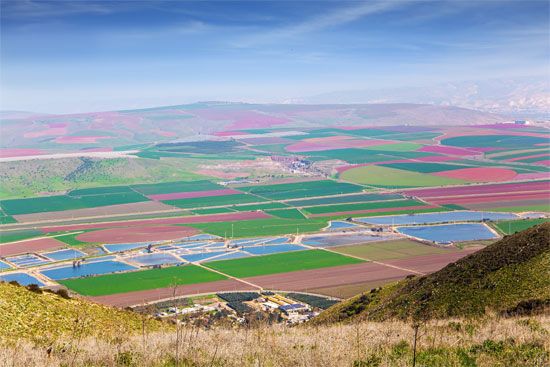
- Megiddo: Located in northern Israel, this site was a strategically vital town overlooking the Plain of Esdraelon. Its position on major trade routes made it a frequent target for conquest. Excavations have revealed layers of occupation spanning from the 4th millennium BCE to the 5th century BCE, including structures attributed to the era of King Solomon.1
How do tell-mounds differ from other types of archaeological sites?
Tell-mounds differ from other archaeological sites primarily due to their unique formation process, which results in a distinct, stratified vertical structure. While many archaeological sites are spread horizontally across a landscape, a tell is a raised, truncated cone created by the accumulation of debris over centuries of continuous occupation.
This formation is driven by the specific building materials used in ancient Middle Eastern architecture, such as mud, adobe, or sun-dried bricks. Because these materials are highly susceptible to weathering and destruction, structures required frequent repair or total rebuilding. Rather than clearing a site, inhabitants leveled the existing debris and constructed new buildings directly atop the remains of the old ones. Consequently, a tell acts as a chronological record where the lower strata are older than those above them. Other archaeological sites may lack this specific vertical layering, often consisting of surface remains or structures that were not repeatedly rebuilt on the same footprint.1
Sources
- tell — Encyclopædia Britannica
- tell — Merriam-Webster
- Archaeology - Interpretation — Encyclopædia Britannica
- Burial mound — Encyclopædia Britannica
- history of Mesopotamia - Modern archaeological excavations — Encyclopædia Britannica
- Tell el-Amarna — Encyclopædia Britannica
- Megiddo — Encyclopædia Britannica
- Jericho — Encyclopædia Britannica
- Tell el Amarna — Merriam-Webster
Published on · 3 min read