Tigris-Euphrates River System
The Tigris-Euphrates river system is distinct from the world’s longest river systems, such as the Nile or the Amazon, primarily due to its unique historical…
How does the Tigris-Euphrates river system compare to other major river systems in the world?
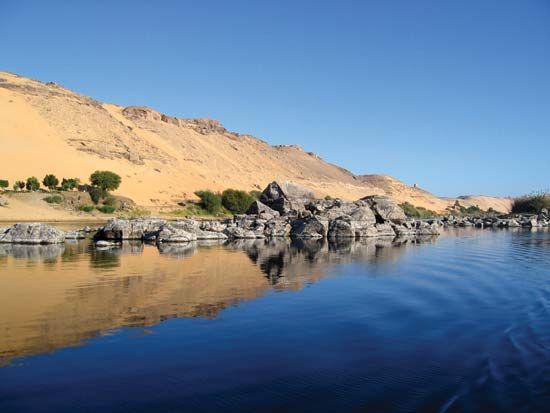
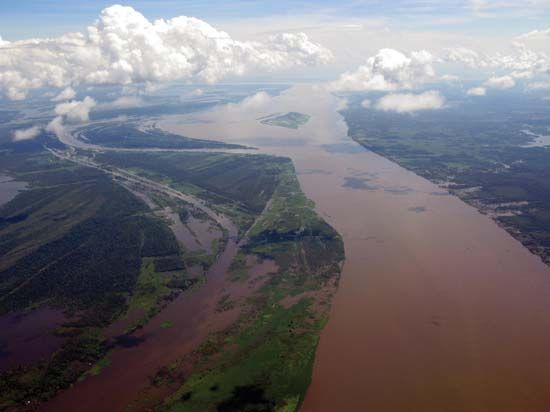
The Tigris-Euphrates river system is distinct from the world’s longest river systems, such as the Nile or the Amazon, primarily due to its unique historical role and hydrological challenges. While major global rivers are often compared by length, drainage area, and discharge, the Tigris-Euphrates is defined by its status as a cradle of civilization, where it fostered the development of agriculture and urbanism in Mesopotamia.123
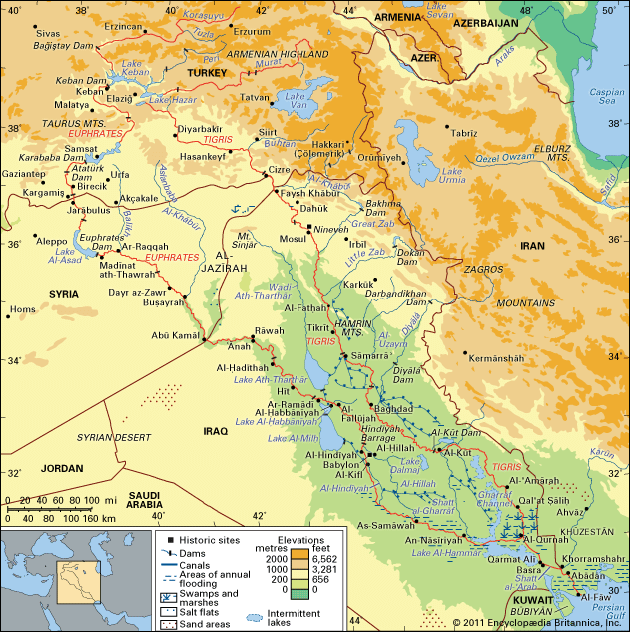
Hydrologically, the system faces significant stress from low precipitation and high evaporation rates, a challenge it shares with rivers like the Murray-Darling. Unlike rivers fed by equatorial or monsoonal rains, the Tigris and Euphrates rely heavily on snowmelt from the Taurus and Zagros mountains. Furthermore, intensive human intervention—including damming and irrigation—has altered natural flows, leading to soil salinization and the desiccation of marshlands, which contrasts with the more natural flow regimes of many other large global river systems.421
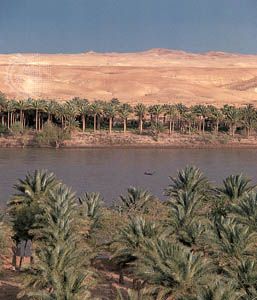
What historical and cultural sites are located along the Tigris-Euphrates river system?
The Tigris-Euphrates river system is the heart of Mesopotamia, a region widely recognized as a cradle of civilization. Over millennia, the fertile alluvial plains supported the rise of major ancient societies, including the Sumerians, Akkadians, Babylonians, and Assyrians.1
Key Historical and Cultural Sites
The landscape is dotted with thousands of ancient settlement sites, often appearing as tells (raised mounds of ruins). Notable locations include:
- Ur: A major Sumerian city famous for its ziggurat and royal tombs containing significant artifacts.7
- Nineveh: A prominent capital of the Assyrian Empire, known for its early urban installations.89
- Ashur: Another vital Assyrian capital located along the Tigris.9
- Calah (Nimrud): A third major capital of ancient Assyria.9
- Uruk: An ancient Sumerian city on the Euphrates, significant for its early Bronze Age culture, including early writing and monumental architecture.10
- Samarra: Served as a capital during the Abbāsid period.9
These sites reflect the region’s long history of complex legal systems, monumental architecture, and the development of cuneiform writing.1
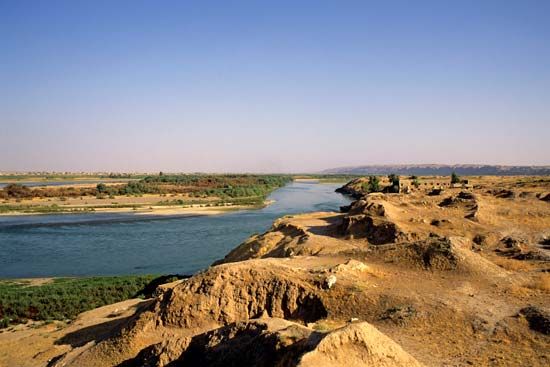
What role did the Tigris-Euphrates river system play in the development of agriculture and irrigation?
The Tigris-Euphrates river system was fundamental to the rise of Mesopotamia as a cradle of civilization, providing the fertile environment necessary for the development of agriculture and urbanism.71
Development of Irrigation
By the early 6th millennium BCE, inhabitants began systematically diverting river water to irrigate extensive areas. Unlike the predictable Nile, the Tigris and Euphrates were characterized by fierce, unpredictable floods that carried heavy loads of alluvium, which often choked irrigation channels. To manage this, Sumerian engineers developed complex systems of canals, dikes, and embankments to channel, impound, and distribute water. They also utilized water-raising devices like the shadoof to manage water access.711
Long-term Impact
This reliance on irrigation required high levels of social organization, engineering skill, and the establishment of legal codes to ensure equitable water distribution. However, intensive irrigation eventually led to significant environmental challenges, most notably soil salinization, which reduced fertility and forced the abandonment of fields over time.12111
How has the Tigris-Euphrates river system influenced the development of ancient civilizations?
The Tigris-Euphrates river system was the lifeblood of Mesopotamia, serving as a foundational cradle of civilization. The rivers provided the fertile soil and water supply necessary for the development of agriculture, which in turn enabled the rise of the world’s earliest complex societies and empires.113
Agricultural and Social Development
By the early 6th millennium BCE, inhabitants began systematically diverting river water to support large-scale farming. Because the rivers were prone to fierce, unpredictable floods, early societies developed sophisticated irrigation techniques, including canals, dikes, and embankments. This necessity for water management required high levels of social organization and engineering skill, fostering the growth of urbanism and the establishment of legal codes to regulate water distribution.1147
Cultural and Technological Impact
The region’s productivity supported the development of monumental architecture, cuneiform writing, and early urban centers like Nineveh. While the rivers were essential for survival, their heavy silt loads and volatile flow patterns presented constant challenges, shaping the engineering and administrative ingenuity of the civilizations that thrived along their banks.11411
Sources
- Tigris-Euphrates river system: Top Questions — Encyclopædia Britannica
- Tigris-Euphrates river system - Hydrology — Encyclopædia Britannica
- river - World’s largest rivers — Encyclopædia Britannica
- Tigris-Euphrates river system — Encyclopædia Britannica
- world’s longest rivers — Encyclopædia Britannica
- Tigris-Euphrates river system - General considerations — Encyclopædia Britannica
- ancient Middle East - Evolution of Middle Eastern civilizations — Encyclopædia Britannica
- Tigris-Euphrates river system - Physiography of the Tigris — Encyclopædia Britannica
- Ur — Encyclopædia Britannica
- Uruk — Merriam-Webster
- History of Technology Timeline - 6000 BCE: Irrigation — Encyclopædia Britannica
- history of technology - Irrigation — Encyclopædia Britannica
- Fertile Crescent — Encyclopædia Britannica
- Tigris-Euphrates river system - Navigation — Encyclopædia Britannica
Published on · 3 min read