What’s the Difference Between Great Britain and the United Kingdom?
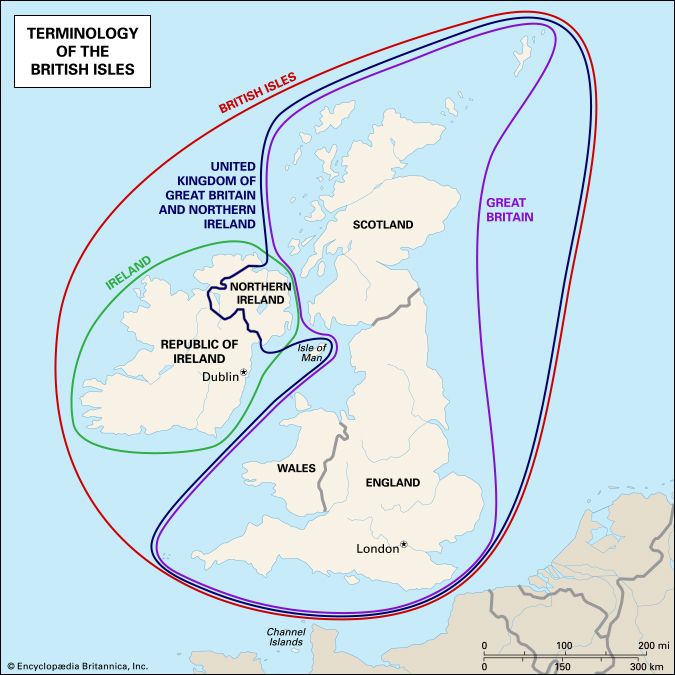
While the terms are often used interchangeably, they are not synonymous. The distinction lies in whether a term is geographic or political.
What’s the Difference Between Great Britain and the United Kingdom?
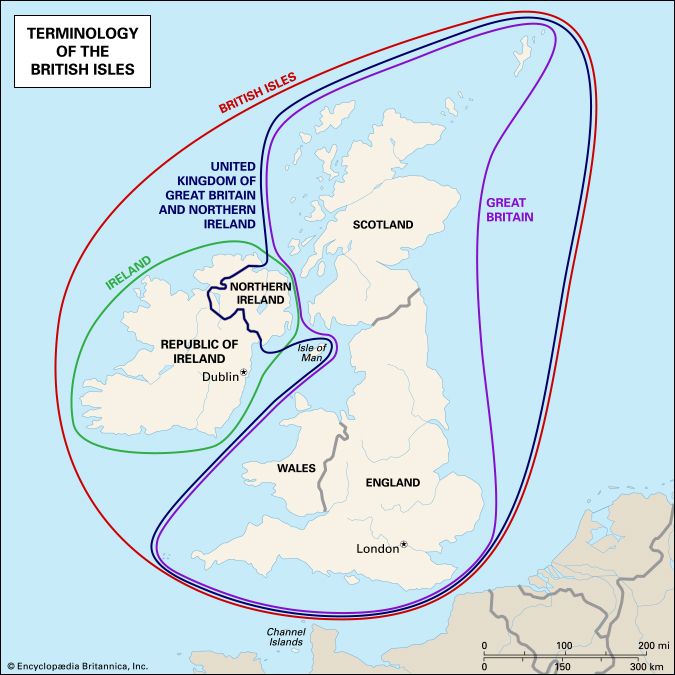
While the terms are often used interchangeably, they are not synonymous. The distinction lies in whether a term is geographic or political.1
Great Britain is a geographic term referring to the island that comprises England, Scotland, and Wales. It is also used as a political term to describe these three constituent parts and their administered islands.12
The United Kingdom is a purely political term for the sovereign country that encompasses all of Great Britain and Northern Ireland. Its official name is the United Kingdom of Great Britain and Northern Ireland.123
The confusion often stems from the complex history of the British Isles. While the Kingdom of Great Britain was formed in 1707 by the union of England and Scotland, the modern United Kingdom emerged through subsequent political unions and the eventual partition of Ireland in the early 20th century.123
What is the difference between the British Isles and Great Britain?
The terms British Isles and Great Britain are distinct, primarily differing in their scope and classification.
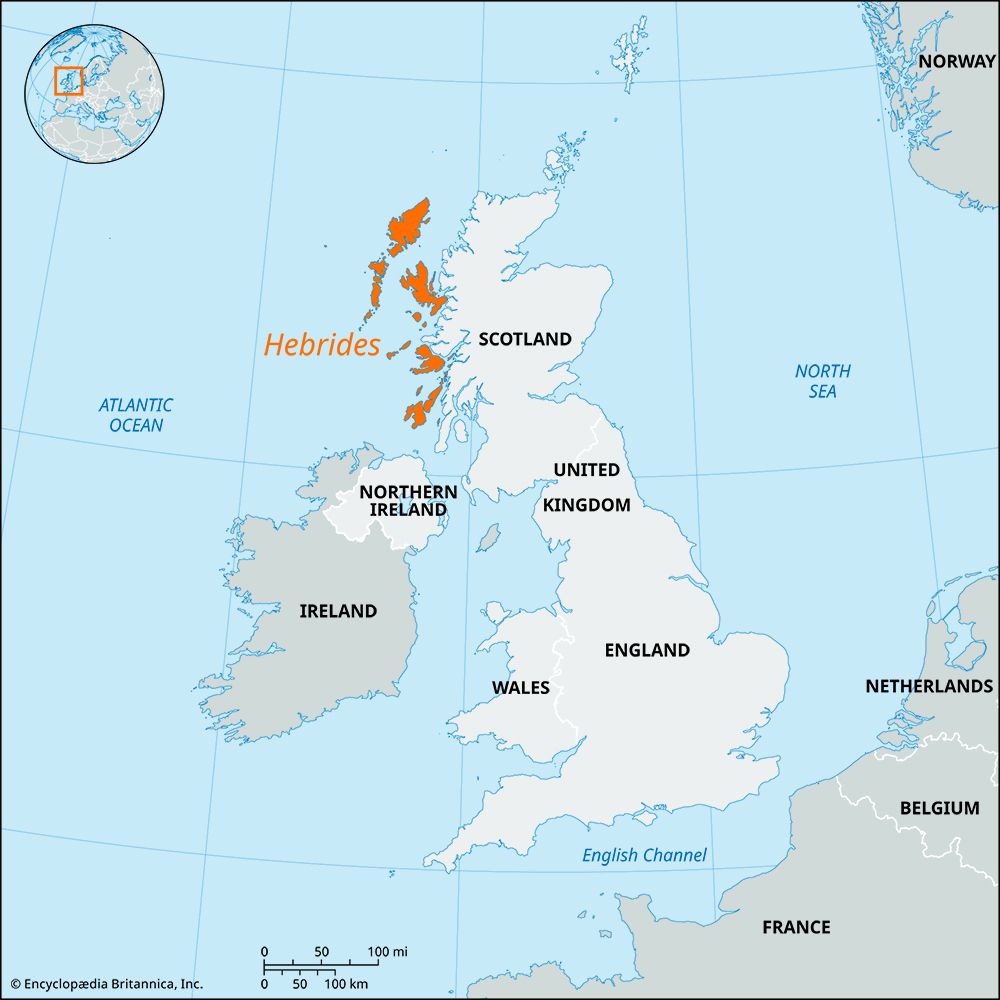
- British Isles: This is a purely geographical term referring to the entire group of islands off the northwestern coast of Europe. It includes two main islands—Great Britain and Ireland—along with numerous smaller islands and island groups, such as the Hebrides, the Shetland Islands, the Orkney Islands, the Isle of Man, and the Isles of Scilly. Because the term can imply political or cultural connections that do not exist between the United Kingdom and the Republic of Ireland, it is considered controversial by some.78
- Great Britain: This is both a geographical and a political term. Geographically, it refers specifically to the largest island in the British Isles. Politically, it refers to the part of the United Kingdom consisting of England, Scotland, and Wales, including the smaller islands they administer.189
In short, Great Britain is a subset of the British Isles, while the British Isles encompasses a much broader geographical region.9
How did the Act of Union in 1707 change the map of Britain?
The Act of Union of 1707 fundamentally transformed the political map of Britain by merging the independent kingdoms of England and Scotland into a single sovereign state named Great Britain.1213
Key changes included:
- Political Consolidation: The separate parliaments of England and Scotland were abolished. In their place, a single united Parliament was established at Westminster, which included 45 commoners and 16 peers representing Scotland.125
- Administrative Uniformity: The treaty established free and equal trade throughout Great Britain and its dominions. Taxation, both direct and indirect, was made uniform across the new kingdom, subject to certain temporary concessions.12
- Institutional Preservation: Despite the political merger, Scotland retained its distinct Scottish law and legal system, as well as the Presbyterian Church of Scotland, which were explicitly safeguarded against change.125
- Succession: The act adopted the Protestant succession, ensuring the stability of the monarchy under the House of Hanover.1213
Why is Northern Ireland part of the United Kingdom but not Great Britain?
The distinction between these terms lies in the difference between geography and political affiliation.
- Great Britain is a geographical term referring specifically to the largest island in the British Isles, which comprises England, Scotland, and Wales.114
- The United Kingdom is a political entity—an independent country—that encompasses all of Great Britain and the region of Northern Ireland.1
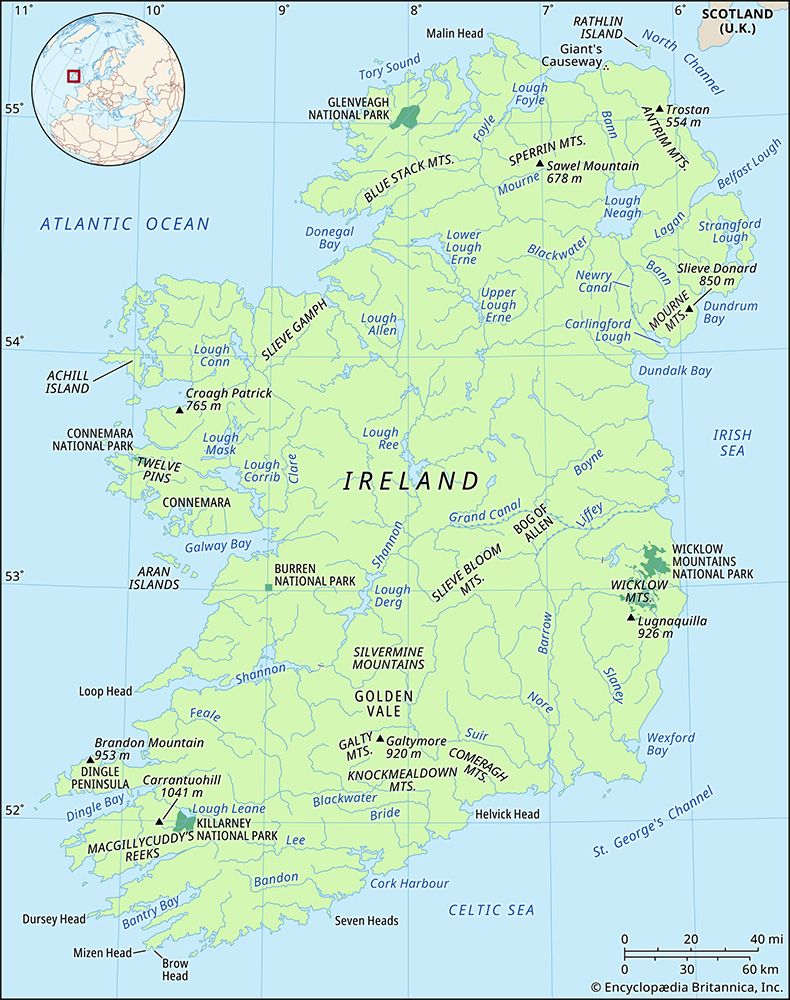
Northern Ireland is not part of Great Britain because it is located on the island of Ireland, not the island of Great Britain. Following the partition of Ireland in 1922, the majority of the island became an independent state, while six counties in the north chose to remain within the United Kingdom. Consequently, the United Kingdom’s official name, the United Kingdom of Great Britain and Northern Ireland, reflects this political union of the island of Great Britain and the separate region of Northern Ireland.14115
Sources
- What’s the Difference Between Great Britain and the United Kingdom? — Encyclopædia Britannica
- Great Britain — Merriam-Webster
- Why Is Ireland Two Countries? — Encyclopædia Britannica
- United Kingdom — Encyclopædia Britannica
- Acts of Union: Uniting the United Kingdom — Encyclopædia Britannica
- United Kingdom - History — Encyclopædia Britannica
- British Isles — Merriam-Webster
- British Isles — Encyclopædia Britannica
- Great Britain — Encyclopædia Britannica
- What's the difference between Britain, Great Britain, and the UK? — Merriam-Webster
- Belfast: Top Questions — Encyclopædia Britannica
- Act of Union — Encyclopædia Britannica
- Scotland - The Act of Union and its results — Encyclopædia Britannica
- Northern Ireland - Constitutional framework — Encyclopædia Britannica
- United Kingdom - Land — Encyclopædia Britannica
- the Troubles - The formation of Northern Ireland, Catholic grievances, and the leadership of Terence O’Neill — Encyclopædia Britannica
- Northern Ireland — Encyclopædia Britannica
Published on · 3 min read