Wetland
A wetland is a transitional ecosystem—often described as the "kidneys of the landscape"—characterized by land that is saturated or partially covered with…
What is a wetland?
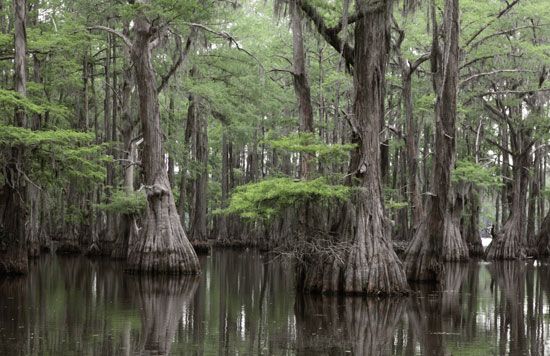
A wetland is a transitional ecosystem—often described as the “kidneys of the landscape”—characterized by land that is saturated or partially covered with water. These areas serve as vital ecotones between terrestrial and deepwater aquatic systems, supporting high levels of biodiversity by providing essential habitats for plants, animals, and microorganisms.123
Wetlands perform critical functions, including:
- Water Regulation: They absorb large amounts of water, helping to mitigate flooding, recharge groundwater aquifers, and protect shorelines.1
- Water Purification: They act as natural filters, cleansing polluted waters and serving as sinks for nutrients and atmospheric carbon.1
- Productivity: Systems such as swamps (dominated by trees) and marshes (dominated by grasses) are among the most productive ecosystems on Earth.14
Because these areas provide invaluable ecosystem services, their conservation and restoration are ethically imperative to protect natural resources and mitigate the impacts of climate change.15
Where are wetlands usually found?
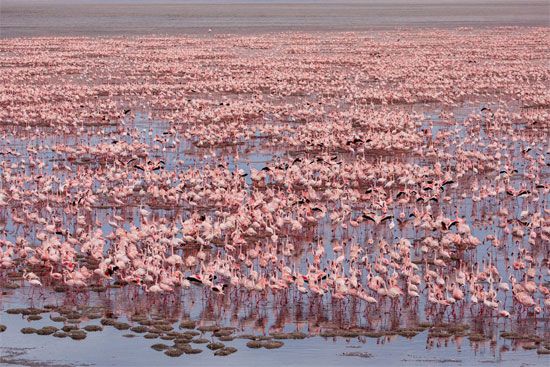
Wetlands are found globally in every biome, as their formation depends primarily on local water availability rather than a specific geographic region. They develop wherever local water input—from precipitation, groundwater, or surface flow—exceeds output, and where the geomorphology of the landscape allows water to gather and persist.89
Key locations and conditions for wetland formation include:
- Coastal and Riparian Zones: Many wetlands occur at the interface of land and water, such as along coastlines, rivers, and lakes, or within floodplains.810
- Glaciated Landscapes: The movement of ice sheets during the Pleistocene Epoch created low-relief areas and depressions that now host extensive wetlands, such as the prairie potholes of North America and the Hudson Bay lowlands.10
- Permafrost Regions: In cold climates, permafrost prevents water from draining into the soil, sustaining vast bogs and fens across northern North America, Eurasia, and high-altitude plateaus.810
- Tropical and Arid Zones: Wetlands exist even in extreme climates, ranging from the tropical rainforest peatlands of the Amazon and Borneo to desert marshlands found at river confluences.8
What types of plants and animals live in wetlands?
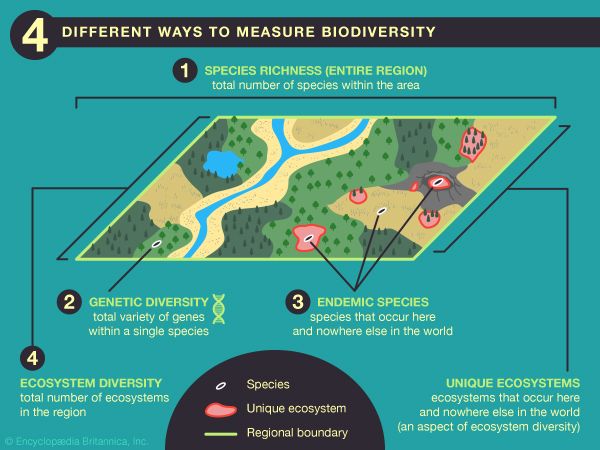
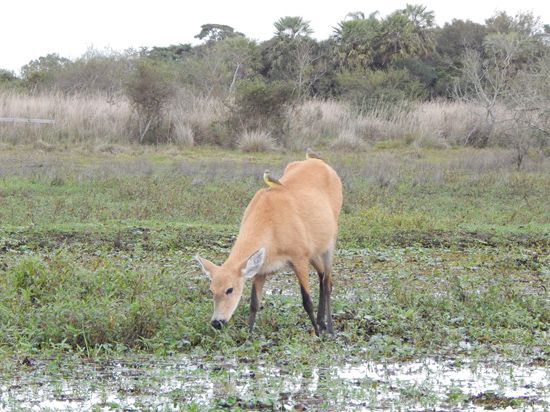
Wetlands support a diverse array of life, functioning as critical habitats for plants, animals, and microorganisms. Because they serve as transition zones, or ecotones, their biodiversity is often higher than that of adjacent ecosystems.5
Flora
Plants adapted to waterlogged conditions are known as hydrophytes. Vegetation varies by wetland type:1
- Swamps: Dominated by trees such as bald cypress, willows, maples, and mangroves in coastal areas.11
- Marshes: Primarily composed of grasses, sedges, cattails, and reeds.1112
- Bogs: Characterized by peat mosses, heaths, orchids, and insectivorous plants like sundews and pitcher plants.13
Fauna
Wetlands provide essential food and shelter for a wide range of species, including waterfowl, fish, and various mammals. They often serve as vital refuges for rare and endangered species, such as the manatee, Florida panther, American crocodile, and wood stork1. Animal diversity in these regions is largely a reflection of the plant diversity, which dictates the available food and habitat structure.51411
How do wetlands help the environment?
Wetlands provide essential ecosystem services that are vital to environmental health, often earning them the description as the “kidneys of the landscape” due to their ability to filter and process materials.1
Their primary environmental contributions include:
- Water Management: Wetlands act as natural sponges, absorbing large volumes of water to mitigate flooding in developed areas. They also play a critical role in recharging groundwater aquifers and cleansing polluted waters, which is a key strategy for addressing water scarcity.1
- Nutrient and Carbon Cycling: They are major sites for nutrient cycling and serve as important sinks for inorganic nutrients and atmospheric carbon.1
- Biodiversity Support: As ecotones, they provide high-quality habitat for diverse species, including rare and endangered species, supporting greater biodiversity than many adjacent ecosystems.1
While wetlands are highly productive, their role in the carbon cycle is complex; they can act as both carbon sinks and sources of methane depending on temperature and nutrient inputs. Given their immense value, prioritizing the restoration and conservation of these areas is a fundamental ethical imperative for sustainable development1.115
Sources
- Wetland - Wetland functions and ecosystem benefits — Encyclopædia Britannica
- wetlands — Merriam-Webster
- wetland — Merriam-Webster
- Wetland - Freshwater marshes — Encyclopædia Britannica
- Swamp — Encyclopædia Britannica
- Wetland - Disturbances caused by humans — Encyclopædia Britannica
- Wetland - Wetland management — Encyclopædia Britannica
- Wetland - Geographic distribution of wetlands — Encyclopædia Britannica
- Wetland - Climate — Encyclopædia Britannica
- Wetland - Origin of wetlands — Encyclopædia Britannica
- Bog - Flora — Encyclopædia Britannica
- food web — Encyclopædia Britannica
- Everglades: Top Questions — Encyclopædia Britannica
- hydrophyte — Merriam-Webster
- Global warming - Carbon cycle feedbacks — Encyclopædia Britannica
Published on · 4 min read