Timor
The island of Timor is politically divided between two sovereign entities:
How is Timor politically divided, and what are the main countries that govern the island?
The island of Timor is politically divided between two sovereign entities:
- East Timor (Timor-Leste): Occupying the eastern half of the island, along with the enclave of Ambeno and the islands of Atauro and Jaco, this is an independent, sovereign state. Following a history of Portuguese colonization and subsequent Indonesian occupation, it achieved full sovereignty in 2002 after a United Nations-supervised referendum.1234
- Indonesia: The western half of the island is administered by Indonesia as part of the province of East Nusa Tenggara. This region was formerly under Dutch colonial rule before becoming part of Indonesia in 1950.12
The current political boundaries were largely established by treaties between Portugal and the Netherlands in the 19th and early 20th centuries. While the island was once a site of colonial competition, it is now defined by the distinct governance of the independent nation of East Timor and the Indonesian province of East Nusa Tenggara.125
What are the main economic activities and natural resources on Timor island?
The economy of Timor is characterized by a mix of modern resource extraction and traditional agricultural practices.
Economic Activities and Resources in East Timor
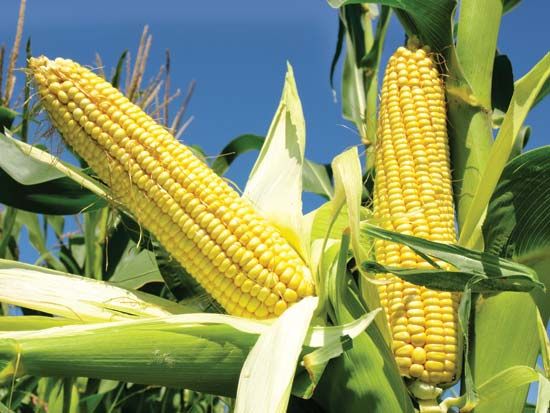
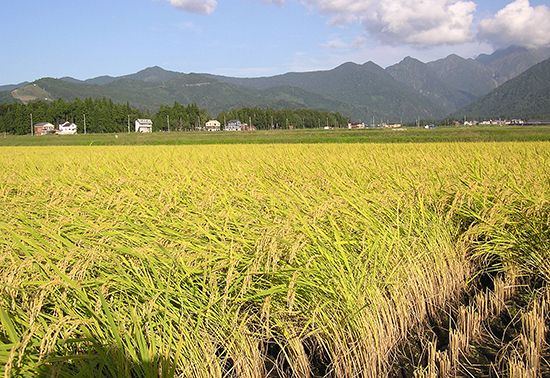
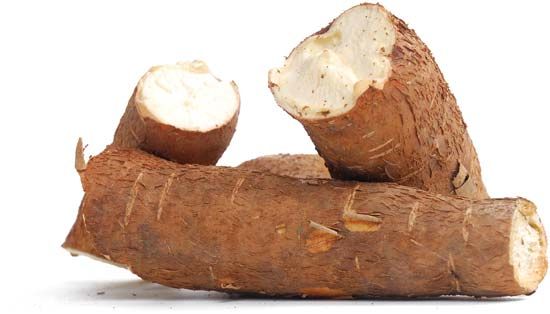
In East Timor, the most significant component of the economy by value is the production of hydrocarbons, specifically from offshore natural gas deposits, which provide essential government revenue. Despite this, a large portion of the population remains engaged in subsistence agriculture. Key crops include corn, rice, cassava, and coffee, the latter of which has historically been a major export.31
Economic Activities and Resources in Western Timor
Western Timor, administered by Indonesia, relies heavily on traditional agriculture, including shifting cultivation and the production of dry rice, corn, and sweet potatoes. Irrigation has improved the cultivation of wet rice in the region. Native manufacturing remains a part of the local economy, featuring the production of cotton cloth, patterned baskets, forged iron tools, and brass ornaments cast via the lost-wax process. Additionally, the island of Timor contains deposits of manganese, a mineral resource found in various parts of Indonesia.17
What are the major ethnic groups and languages found on Timor?
The population of Timor is diverse, reflecting a complex history of migration and cultural interaction.
Ethnic Groups
The island’s ethnic composition is primarily characterized by a blend of Papuan, Malayan, and Polynesian origins. Historically, coastal inhabitants are largely of Indonesian Malay ancestry, while the descendants of the island’s original Melanesian peoples are predominantly found in the mountainous interior. In urban centers like Dili, the population includes the Timorese and Atonese, alongside smaller minorities of Portuguese, Eurasians, and Arab Muslims.431
Languages
Linguistic diversity on the island is significant, with dozens of distinct languages and dialects spoken across the region.43
- Official Languages: In East Timor, Tetum and Portuguese serve as the official languages, used extensively in government and education.9
- Working Languages: Indonesian and English are widely utilized as working languages, particularly in business, administration, and international communication.9
- Regional Languages: Across the island, there are approximately 40 different Papuan and Malayan languages or dialects.49
What are some of the traditional customs and cultural practices of the Timorese people?
The traditional customs and cultural practices of the Timorese people are deeply rooted in their social structure, agricultural cycles, and spiritual beliefs.
Social and Village Life
The fundamental unit of Timorese society is the extended family, which organizes daily life and economic activities. Villages typically feature houses built on pilings, often surrounded by stockades—a practice historically developed for protection during periods of coastal warfare. Each village maintains a sacred house overseen by a custodian priest, situated within a designated taboo area. Governance is traditionally led by a headman, who is supervised by a chief.101
Agricultural Rituals and Beliefs
Agriculture is central to Timorese culture, with many communities practicing slash-and-burn cultivation of crops like corn, rice, and sweet potatoes. These activities are often accompanied by complex rituals designed to ensure a successful harvest. For example, among the Tetum people, men and women perform distinct roles in these rites, reflecting a belief that women represent the sacred world while men represent the secular. While Christianity has influenced the region, animism and ancestor worship remain prevalent, with shamans serving as interpreters of spirits.101
Craftsmanship
Timorese culture is also known for its distinct native manufactures, which include:
Sources
- Timor — Encyclopædia Britannica
- 1975 invasion of East Timor: Top Questions — Encyclopædia Britannica
- East Timor: Top Questions — Encyclopædia Britannica
- East Timor — Encyclopædia Britannica
- list of islands - East Timor — Encyclopædia Britannica
- 1975 invasion of East Timor - Portuguese decolonization and Indonesian interference — Encyclopædia Britannica
- Indonesia - Resources and power — Encyclopædia Britannica
- Maldives - Agriculture, forestry, and fishing — Encyclopædia Britannica
- Dili — Encyclopædia Britannica
- Tetum — Encyclopædia Britannica
- Indonesia - Visual arts — Encyclopædia Britannica
- Southeast Asian arts - Textiles — Encyclopædia Britannica
- Papua New Guinea - Daily life and social customs — Encyclopædia Britannica
Published on · 3 min read