Tongue River
The Tongue River is a 246-mile (396 km) waterway in the United States that originates on the eastern slopes of the Bighorn Mountains in Wyoming, just west of…
What is Tongue River?
The Tongue River is a 246-mile (396 km) waterway in the United States that originates on the eastern slopes of the Bighorn Mountains in Wyoming, just west of Sheridan.12
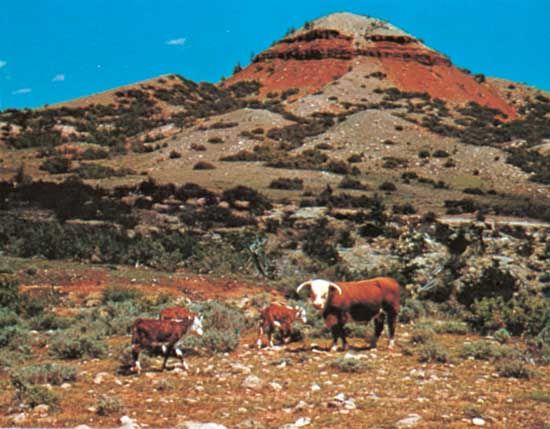
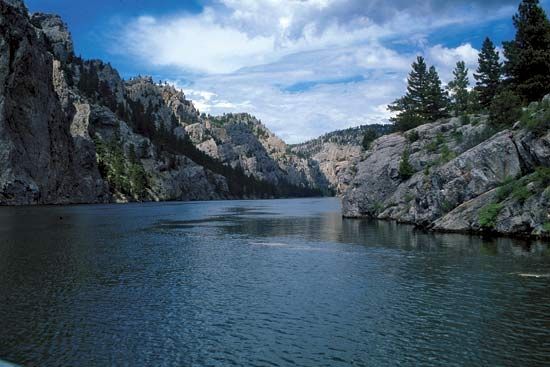
The river flows northeastward, descending from high elevations through rugged mountains and badlands before entering a long, narrow valley defined by high bluffs and terraces. It eventually joins the Yellowstone River at Miles City, Montana.12
Key features of the river’s basin include:
- Tongue River Reservoir: Located in Montana near the Wyoming border, this reservoir provides essential irrigation water for downstream regions.1
- Custer National Forest: Situated east of the river near Ashland, Montana, this forest occupies the central portion of the drainage basin.1
- Northern Cheyenne Indian Reservation: This area is located along the river’s banks west of Ashland.1
What is the significance of the Yellowstone River?
The Yellowstone River is a significant waterway in the western United States, renowned for its scenic beauty and its role in the history and development of the region. Spanning 692 miles (1,114 km), it serves as a major tributary to the Missouri River and drains an expansive basin of approximately 70,000 square miles.3
Its significance is defined by several key factors:
- Geological and Natural Wonder: The river originates on the slopes of Yount Peak in Wyoming and flows through Yellowstone National Park. Within the park, it creates spectacular landscapes, including Yellowstone Lake, two massive waterfalls, and the Grand Canyon of the Yellowstone.34
- Historical Exploration: It was a focal point for early American exploration, notably by the Lewis and Clark Expedition in 1806. The river valley later became a site of significant conflict between Native American peoples and the U.S. government during the 1860s and 1870s.3
- Economic Development: The arrival of the Northern Pacific Railway in the 1880s spurred settlement along its course. The river has since been developed extensively for irrigation, supporting agriculture across the high plains.3
- Recreation: Beyond its ecological importance, the river provides extensive recreational opportunities, including numerous parks and campgrounds throughout Montana.3
How do reservoirs like the Tongue River Reservoir help local agriculture?
Reservoirs like the Tongue River Reservoir play a vital role in supporting local agriculture by managing the natural variability of river flows. Because streamflow often fluctuates due to weather, causing periods of excess water or drought, reservoirs act as storage systems that impound water during high-flow periods and allow for its gradual release during times of lower flow.6
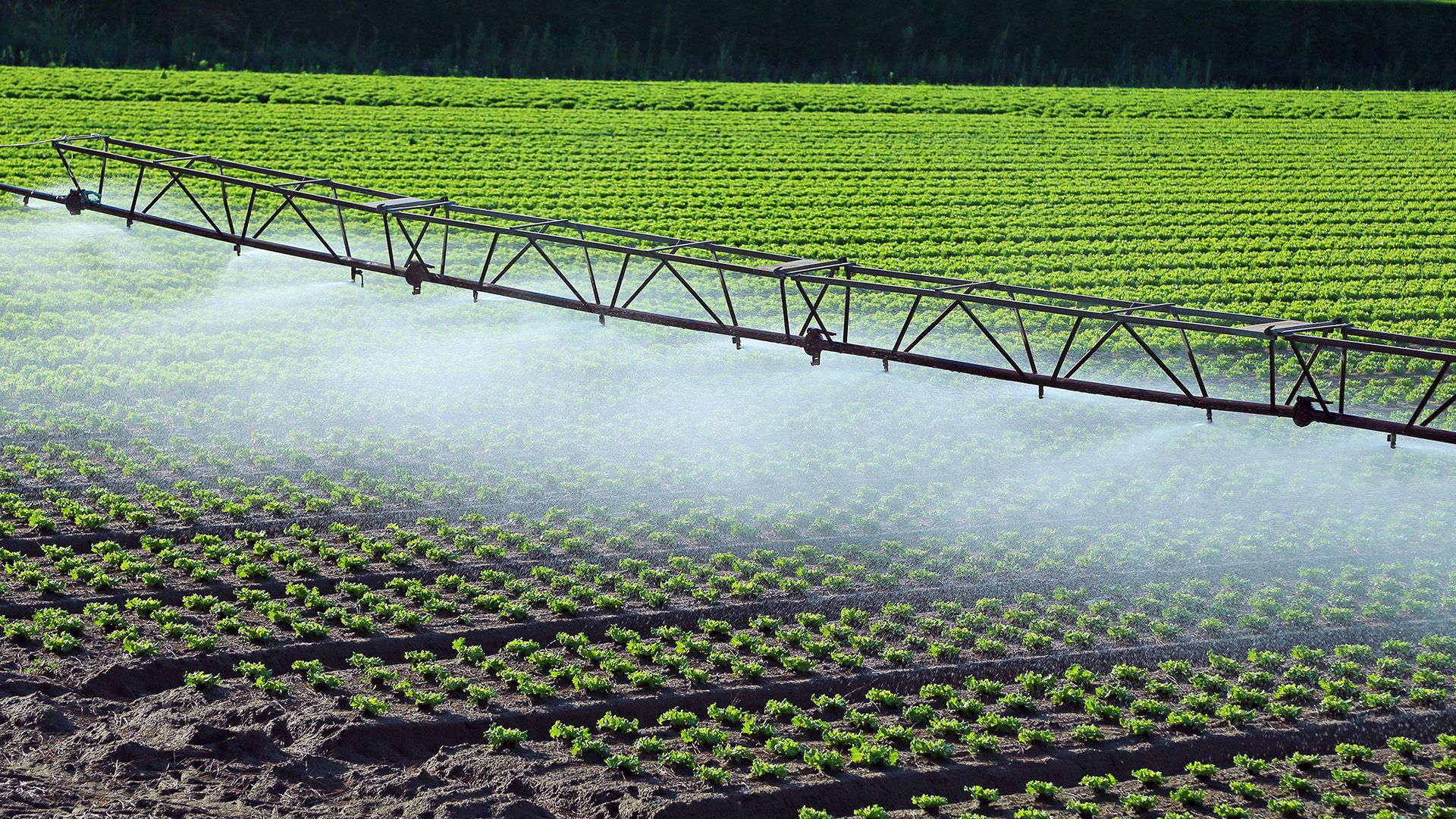
This controlled release provides a reliable water supply for irrigation, which is essential for sustaining crop production in downstream areas. By ensuring that sufficient water is available at the proper time, reservoirs enable farmers to utilize modern agricultural technologies, such as sprinkler systems, and extend crop acreage into areas that might otherwise be unproductive.6178
Beyond simple storage, these systems help stabilize agricultural output by mitigating the risks associated with unpredictable rainfall. However, effective management is required to address challenges such as sedimentation, which can reduce storage capacity over time, and the need to balance water rights among various stakeholders.786
What is the history of the Northern Cheyenne people in this region?
The Northern Cheyenne are a North American Plains Indian tribe whose history in the northern Plains is marked by both cultural adaptation and intense conflict with the United States government. Originally a sedentary, agricultural people in Minnesota, they migrated westward, eventually adopting a nomadic lifestyle centered on the buffalo after acquiring horses.9
By the mid-19th century, the tribe had divided into northern and southern branches, a split recognized in the 1851 Treaty of Fort Laramie. The Northern Cheyenne became central figures in the Plains Wars, forming alliances with the Lakota and Arapaho to defend their lands against white encroachment, particularly along the Bozeman Trail and the Yellowstone River valley. They were instrumental in the defeat of George Armstrong Custer at the Battle of the Little Bighorn in 1876.109
Following the military campaigns of the late 1870s, the Northern Cheyenne were forced onto reservations. Today, the Northern Cheyenne Indian Reservation is located along the banks of the Tongue River in Montana, west of Ashland.1
Sources
- Tongue River — Encyclopædia Britannica
- Tongue — Merriam-Webster
- Yellowstone River — Encyclopædia Britannica
- Missouri River — Encyclopædia Britannica
- Yellowstone National Park - Physical features — Encyclopædia Britannica
- reservoir — Encyclopædia Britannica
- Irrigation - Water supply — Encyclopædia Britannica
- Origins of agriculture - Irrigation — Encyclopædia Britannica
- Cheyenne — Encyclopædia Britannica
- Plains Wars - Defeat of the Plains Indians — Encyclopædia Britannica
- Wyoming - Early history — Encyclopædia Britannica
Published on · 3 min read