Tuscarawas River
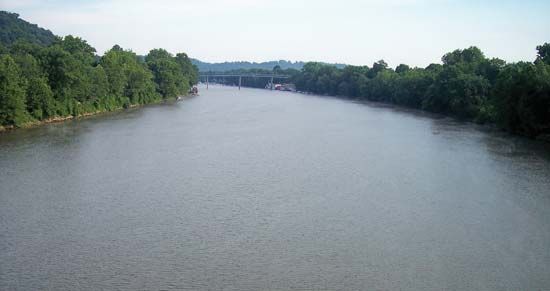
The Tuscarawas River is a 125-mile (201 km) waterway located in northeastern Ohio, U.S. It originates in Summit County near Akron and Barberton, where it is…
What is Tuscarawas River?
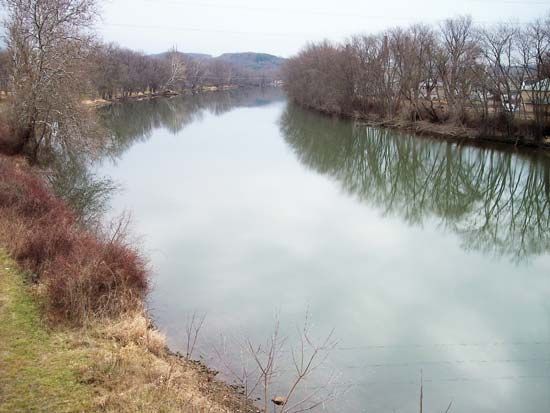
The Tuscarawas River is a 125-mile (201 km) waterway located in northeastern Ohio, U.S. It originates in Summit County near Akron and Barberton, where it is dammed to create the Portage Lakes.1
The river flows southward through cities including Massillon, Dover, and New Philadelphia before turning west. Near Coshocton, it joins the Walhonding River to form the Muskingum River. The name “Tuscarawas” is derived from the Tuscarora Native American tribe.12
The river system is significant for flood control; a dam north of Dover creates the Beach City Reservoir, and several other reservoirs—such as Piedmont, Tappan, Clendening, Leesville, and Atwood lakes—are formed by dams located on the river’s tributaries.1
How do rivers form the Muskingum River?
The Muskingum River is formed in east-central Ohio through the confluence of two primary waterways at the city of Coshocton:
- Tuscarawas River: This river flows into the confluence from the north.32
- Walhonding River: This river, which is itself formed by the union of the Mohican and Kokosing rivers, flows into the confluence from the west.32
Once these rivers unite at Coshocton, the Muskingum River flows approximately 112 miles (180 km) southward until it empties into the Ohio River at Marietta.3
What is the history of the Tuscarora tribe in Ohio?
The history of the Tuscarora tribe is primarily associated with their migration from North Carolina to New York and Ontario, rather than a historical settlement in Ohio. While the Tuscarawas River in Ohio derives its name from the tribe, there is no evidence that the Tuscarora established a permanent presence or nation in the Ohio region.415
Originally from North Carolina, the Tuscarora were forced northward following conflicts with British traders in the early 18th century. By 1722, they were admitted into the Iroquois Confederacy as the sixth nation, settling primarily in New York. Following the American Revolution, some members of the Iroquois Confederacy—including groups like the Cayuga—relocated to various areas, including parts of Ohio, but the Tuscarora themselves are historically documented as residing in New York and on the Grand River reservation in Ontario.456
Why are flood-control dams important for rivers?
Flood-control dams are essential infrastructure designed to manage the natural variability of river flows, which can fluctuate significantly due to weather patterns. By impounding water during periods of high flow, these dams help prevent flood disasters that threaten communities and property.7
The primary importance of these structures includes:
- Peak Flow Reduction: Dams utilize the “lag effect” of a reservoir to reduce the peak discharge rate of a river, effectively lowering the intensity of potential flooding downstream.8
- Controlled Release: After impounding excess water, dams allow for the gradual release of that water during periods of low flow or drought, helping to maintain more stable river levels.7
- Safety and Protection: Integrated systems often include spillways and floodgates that automatically direct surplus water away from the dam structure, preventing erosion that could lead to catastrophic failure.89
- Multi-purpose Utility: Many modern dams are designed for multiple functions, such as hydroelectric power generation, navigation, and water supply, in addition to their flood-control roles.7
While vital for protection, these projects require careful planning to mitigate environmental impacts, such as the displacement of populations or the disruption of local ecosystems.710
Sources
- Tuscarawas River — Encyclopædia Britannica
- Walhonding River — Encyclopædia Britannica
- Muskingum River — Encyclopædia Britannica
- Tuscarora — Encyclopædia Britannica
- The 6 Nations of the Iroquois Confederacy — Encyclopædia Britannica
- Tuscarora — Merriam-Webster
- reservoir — Encyclopædia Britannica
- dam - Spillways — Encyclopædia Britannica
- U.S. Army Corps of Engineers — Encyclopædia Britannica
- dam - Rise of environmental and economic concerns — Encyclopædia Britannica
- Mississippi River - Flood control — Encyclopædia Britannica
- floodgate — Encyclopædia Britannica
- North Sea - Reclamation and flood-control projects — Encyclopædia Britannica
- Yangtze River - Human impact on the environment — Encyclopædia Britannica
Published on · 2 min read