Bighorn Mountains
The Bighorn Mountains, a range of the northern Rocky Mountains extending through Wyoming and Montana, support a diverse array of wildlife typical of the…
What types of wildlife can be found in the Bighorn Mountains?
The Bighorn Mountains, a range of the northern Rocky Mountains extending through Wyoming and Montana, support a diverse array of wildlife typical of the broader Rocky Mountain ecosystem.1
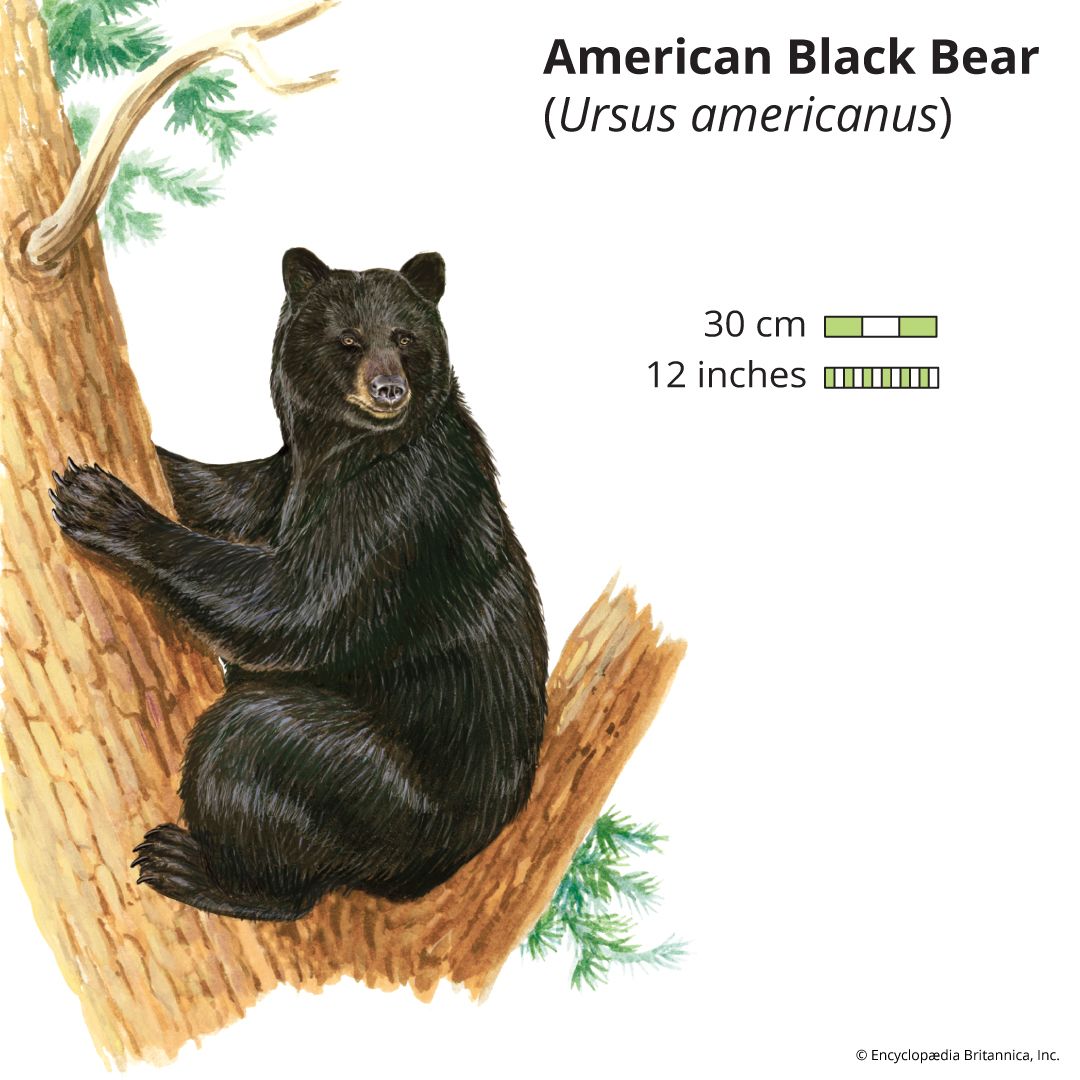
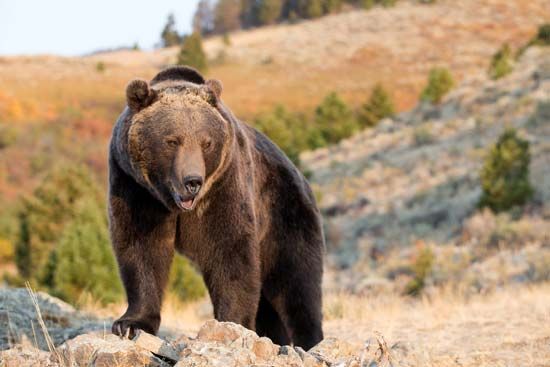
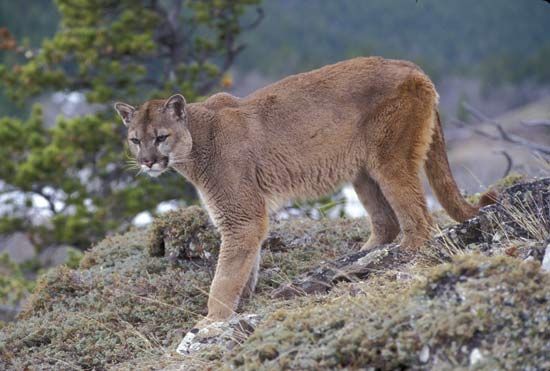
The region is home to several large mammals, including black bears, grizzly bears, mountain lions, and moose1. The high crags provide habitat for bighorn sheep and mountain goats, which often migrate to lower slopes during the winter. Other common ungulates include American elk, mule deer, and white-tailed deer.23
Smaller mammals found in the area include coyotes, beavers, marmots, and pikas. The diverse birdlife features various raptors, such as bald eagles and golden eagles, as well as forest-dwelling species like grouse. Additionally, the mountain streams and lakes support various fish species, making the area a popular destination for fishing.321
How do the Bighorn Mountains compare to other mountain ranges in the Rocky Mountain system?
The Bighorn Mountains are a prominent range within the Middle Rocky Mountains, characterized by an anticlinal arch that rises abruptly 4,000 to 5,000 feet above the surrounding Great Plains and Bighorn Basin.67
When compared to other segments of the Rocky Mountain system, the Bighorn Mountains exhibit several distinct features:
- Geologic Formation: Unlike the Northern or Canadian Rockies, which were shaped largely by massive thrust-faulting of Paleozoic limestones, the Middle Rockies—including the Bighorn, Wind River, and Uinta ranges—formed primarily through compressional folding and high-angle faulting. This process often resulted in upfaulted granitic cores flanked by sedimentary rocks eroded into hogback ridges.7
- Elevation and Scale: While the Southern Rockies contain the highest peaks in the system (many exceeding 14,000 feet), the Bighorn Mountains reach average heights of 8,000 to 13,000 feet, with Cloud Peak serving as the highest point at 13,165 feet.67
- Hydrology: The range is integral to the regional drainage system, with headstreams of the Powder River originating in its southern foothills. Unlike the Wind River Range, which supports numerous active glaciers, the Bighorn Mountains are not noted for significant glacial coverage.67
What are some notable peaks and landmarks in the Bighorn Mountain range?
The Bighorn Mountains, a range of the northern Rocky Mountains, feature several notable peaks and landmarks that highlight the region’s geological and cultural significance.
Notable Peaks and Landmarks
- Cloud Peak: Standing at 13,165 feet (4,013 meters), this is the highest point in the Bighorn Mountains. Located in Wyoming, it serves as a prominent landmark for the range.512
- Medicine Wheel: Situated on the northwest shoulder of Medicine Mountain at an elevation of 9,642 feet, this prehistoric site is a designated National Historic Landmark. It consists of a wheel pattern formed by white limestone rocks, featuring a central hub and 28 radiating spokes. The site includes cairns aligned with the summer solstice sunrise, reflecting its historical use for astronomical observation.5
- Bighorn National Forest: This area encompasses the mountain slopes, providing a scenic landscape characterized by pine, fir, and spruce forests that support various recreational activities.5
Where are the Bighorn Mountains located within the United States?
The Bighorn Mountains are a range of the northern Rocky Mountains located in the United States. They extend southeastward from southern Montana across north-central Wyoming for approximately 120 miles (193 km).6
The range is situated east of the Bighorn River and rises abruptly above the surrounding Great Plains and the Bighorn Basin.56
Sources
- Montana - Plant and animal life — Encyclopædia Britannica
- bighorn sheep — Encyclopædia Britannica
- Rocky Mountains - Animal life — Encyclopædia Britannica
- Bighorn River — Encyclopædia Britannica
- Bighorn Mountains — Encyclopædia Britannica
- Bighorn Mountains — Merriam-Webster
- Absaroka Range — Encyclopædia Britannica
- Wind River Range — Encyclopædia Britannica
- Exploring 7 of Earth’s Great Mountain Ranges - Rocky Mountains — Encyclopædia Britannica
- Rocky Mountains - Physiography — Encyclopædia Britannica
- Wyoming - Climate of Wyoming — Encyclopædia Britannica
- Cloud Peak — Merriam-Webster
Published on · 3 min read