Trinidad and Tobago
Trinidad and Tobago is a multiparty republic with a bicameral Parliament consisting of a Senate and a House of Representatives. The president serves as the…
What is the political system of Trinidad and Tobago, and how has it evolved since independence?
Trinidad and Tobago is a multiparty republic with a bicameral Parliament consisting of a Senate and a House of Representatives. The president serves as the head of state, while the prime minister acts as the head of government.12
Following independence from the United Kingdom in 1962, the country initially operated under a constitution that recognized the British monarch. In 1976, it transitioned to a republic, establishing the current presidential system. Political evolution has been marked by:134
- Governance Shifts: The People’s National Movement (PNM) dominated politics from 1956 to 1986, followed by the rise of coalition governments like the National Alliance for Reconstruction (NAR).34
- Devolution: Since 1980, Tobago has maintained its own House of Assembly, gaining full internal self-government in 1987, provided it remains consistent with the unitary state framework.1
- Social and Economic Change: Political power has increasingly reflected the nation’s diverse population, including the election of the first Indo-Trinidadian prime minister in 1995.4
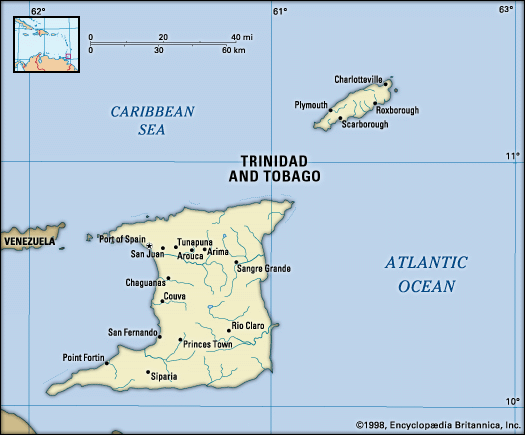
What is the geographical location of Trinidad and Tobago, and how does it influence its culture?
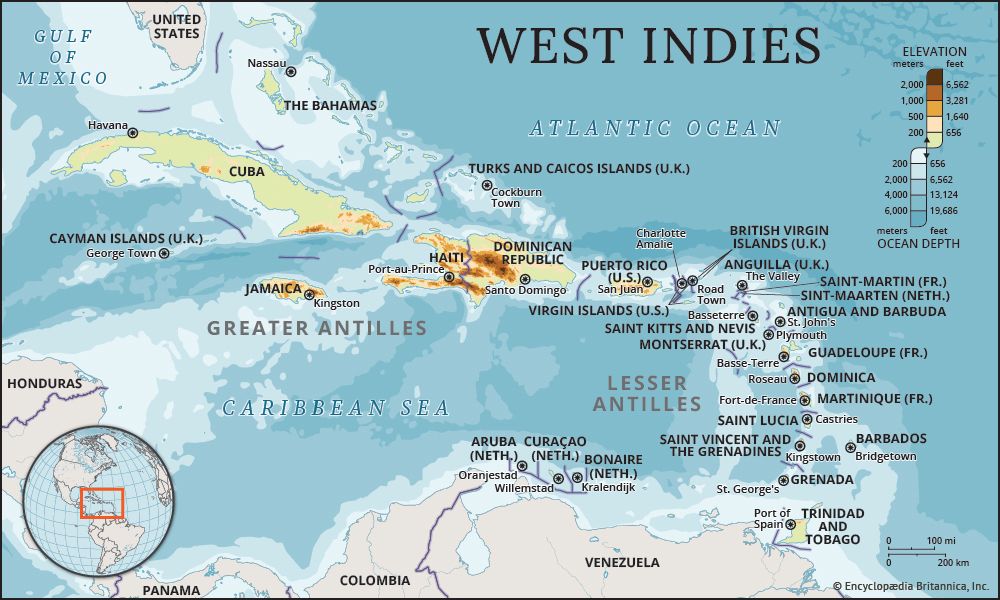
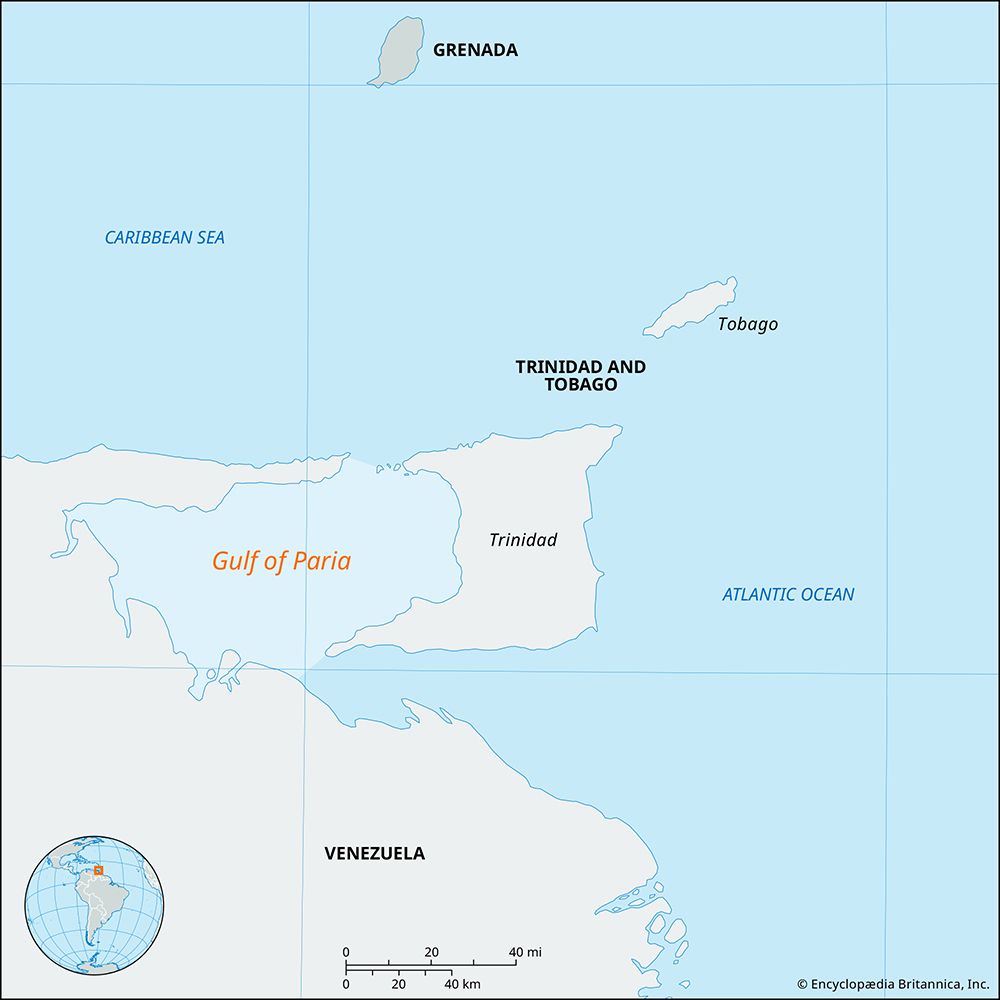
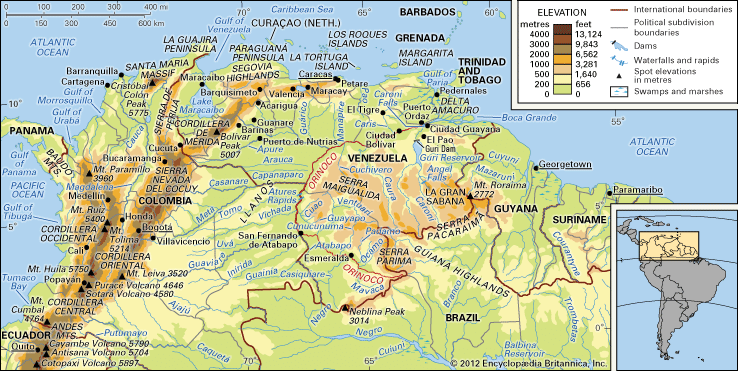
Trinidad and Tobago is an island country located in the southeastern West Indies, forming the southernmost links in the Caribbean chain. Situated just northeast of Venezuela and separated from the South American coast by the Gulf of Paria, its proximity to the continent has profoundly shaped its history and culture.52
This geographical location facilitated early migration from the Orinoco River delta, establishing the islands’ original indigenous populations. Later, the islands’ strategic position within the Caribbean plantation economy led to a diverse, heterogeneous society. The colonial era brought waves of immigrants from Africa, the Indian subcontinent, Europe, and the Middle East to work on sugar and cotton plantations.67
Today, this history manifests in a vibrant, cosmopolitan culture. Traditions such as Diwali reflect the influence of Indo-Trinidadian heritage, while the architecture and social fabric of Port of Spain highlight a blend of European, African, and Creole influences.87
What are the main historical events that shaped Trinidad and Tobago as a nation?
The history of Trinidad and Tobago has been shaped by a series of transformative colonial and political events:
- Early Colonial Period: Following Christopher Columbus’s arrival in 1498, Trinidad remained largely undeveloped until the late 18th century. The Spanish cedula of 1783 encouraged immigration, primarily from French Caribbean colonies, which established a plantation economy and a slave society.2
- British Rule and Demographic Shifts: Britain seized Trinidad in 1797 and formally acquired it in 1802. Following the abolition of slavery (1834–1838), the British introduced indentured labor from the Indian subcontinent to sustain the sugar industry, creating one of the most heterogeneous populations in the Caribbean.29
- Unification: Tobago, which changed hands between European powers several times, saw its sugar economy collapse in the 19th century. It was amalgamated with Trinidad in 1889 and became a ward of the colony in 1899.2
- Path to Independence: Constitutional reforms in 1925 and the labor unrest of 1937 led to universal suffrage in 1945. In 1956, the People’s National Movement won power, leading the nation to independence in 1962 and its transition to a republic in 1976.2
What are the primary industries and economic drivers in Trinidad and Tobago?
The economy of Trinidad and Tobago is primarily driven by the energy sector, though the government has actively pursued diversification to reduce reliance on petroleum and liquefied natural gas (LNG) production.1213
Energy Sector
The petroleum industry has dominated the national economy since commercial drilling began in the early 20th century. While oil production has declined from its 1970s peak, both oil and natural gas remain the most substantial contributors to the economy. The country is a significant exporter of LNG, and the sector is supported by extensive refining and chemical processing facilities.12141513
Manufacturing and Services
To broaden the economic base, the country has developed a manufacturing sector that includes:
- Chemicals and fertilizers13
- Iron and steel products13
- Assembly of consumer durables, such as motor vehicles and electronics13
The services sector is a key area of growth, with tourism serving as a vital component. Tourism is the primary economic driver for Tobago and is also significant on Trinidad’s northwestern peninsula, supported by attractions like the annual Carnival and expanding yachting marinas.1512
We could dive deeper into how the government’s industrial development policies have impacted specific regions like the central and southern areas.
Sources
- Trinidad and Tobago - Constitutional framework — Encyclopædia Britannica
- Trinidad and Tobago - Colonial period — Encyclopædia Britannica
- Trinidad and Tobago: Country Facts — Encyclopædia Britannica
- history of Trinidad and Tobago — Encyclopædia Britannica
- Trinidad and Tobago — Encyclopædia Britannica
- Trinidad and Tobago — Merriam-Webster
- Trinidad and Tobago - Settlement patterns — Encyclopædia Britannica
- Trinidad and Tobago - Ethnic groups — Encyclopædia Britannica
- indentured labor — Encyclopædia Britannica
- Alternative energy - 1870 - John D. Rockefeller forms Standard Oil and develops petroleum as a major energy source in the U.S. — Encyclopædia Britannica
- petroleum - Extraction from underground reservoirs — Encyclopædia Britannica
- Trinidad and Tobago - Economy — Encyclopædia Britannica
- Trinidad and Tobago - Resources of Trinidad and Tobago — Encyclopædia Britannica
- Trinidad and Tobago - Manufacturing — Encyclopædia Britannica
- Trinidad and Tobago - Services and taxation — Encyclopædia Britannica
Published on · 3 min read