Windward Islands
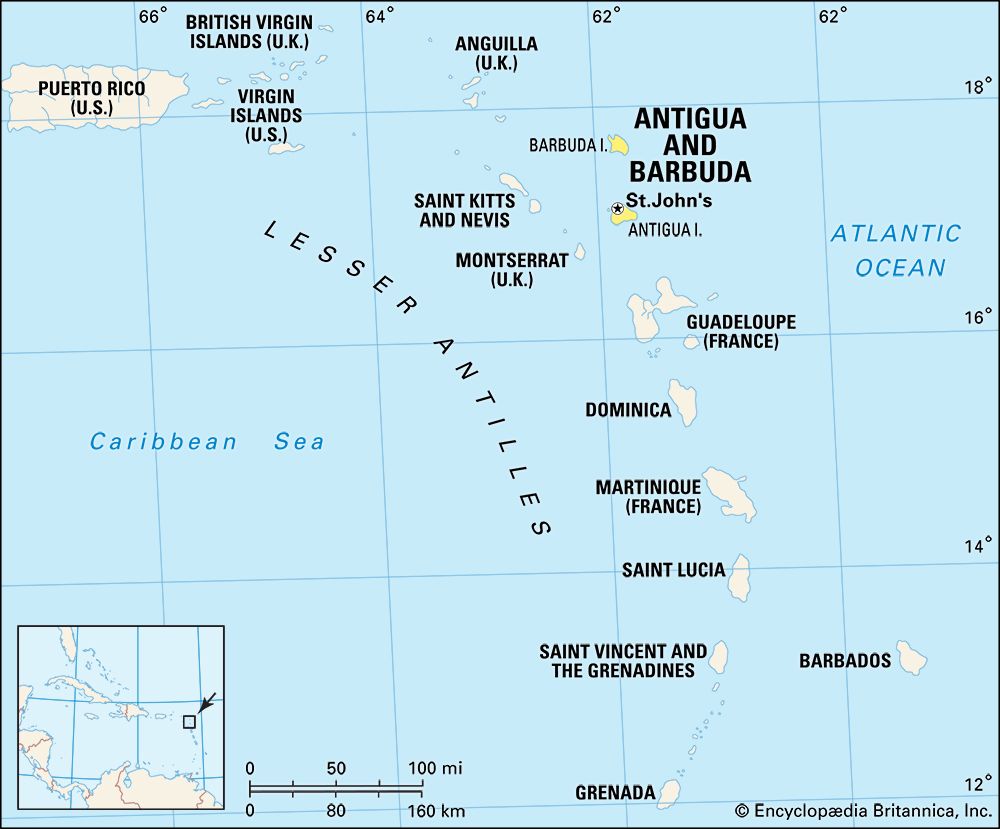
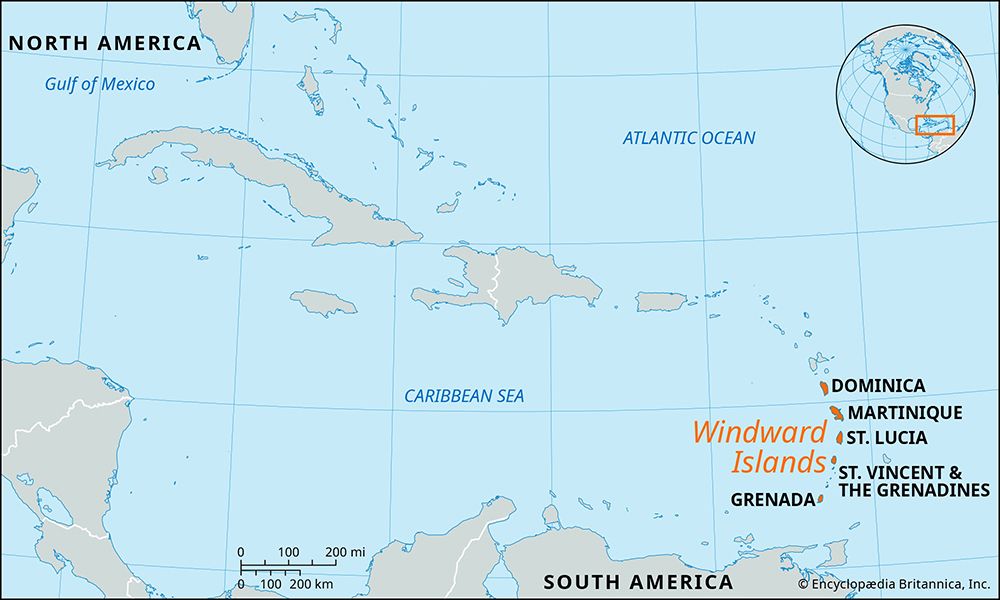
The Windward Islands are a chain of islands in the West Indies that form the southern arc of the Lesser Antilles in the eastern Caribbean Sea. The name…
What are the Windward Islands, and which specific islands are included in this group?
The Windward Islands are a chain of islands in the West Indies that form the southern arc of the Lesser Antilles in the eastern Caribbean Sea. The name reflects the region’s exposure to the prevailing northeasterly trade winds.12
From north to south, the group includes the following islands:
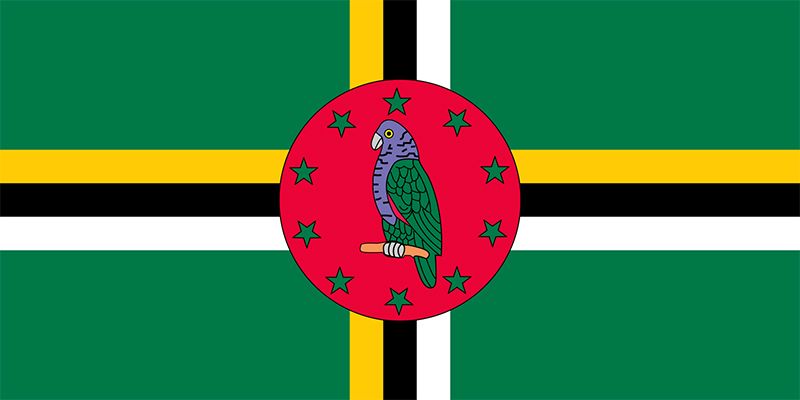
- Dominica1
- Martinique1
- Saint Lucia1
- Saint Vincent1
- The Grenadines (a chain of small islands between Saint Vincent and Grenada)1
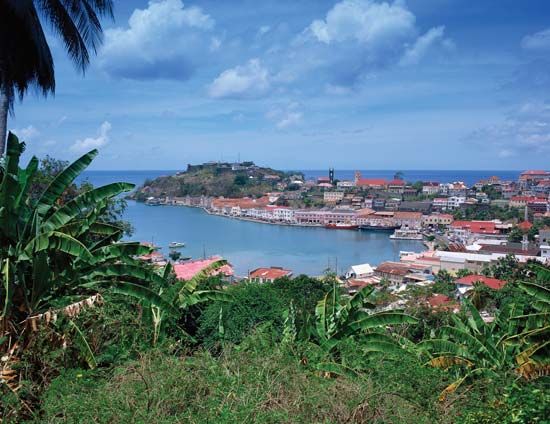
- Grenada1
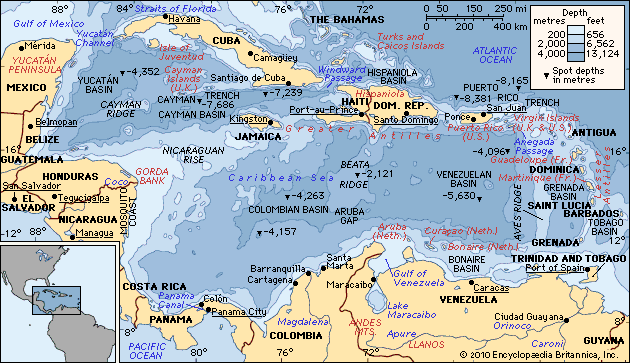
While not always physiographically part of the chain, Barbados is frequently grouped with the Windward Islands, and Trinidad and Tobago are sometimes considered the southern end of the group. Historically, the term has also been used to describe a former British colonial administrative union that included these territories.134
What are some unique flora and fauna species found in the Windward Islands?
The Windward Islands are home to a diverse array of unique flora and fauna, particularly within their lush, forested interiors. Because these islands are often mountainous and volcanic, they provide specialized habitats that have fostered the development of endemic species.
Unique Fauna
Several bird species are found exclusively on specific islands within the group:
- Dominica: This island is the sole habitat for the imperial parrot (Amazona imperialis), also known as the sisserou, and the red-necked parrot (Amazona arausiaca). Additionally, the blue-headed hummingbird (Cyanophaia bicolor) is native only to Dominica and neighboring Martinique.5
- Saint Lucia: The island is home to the endangered Saint Lucian parrot, the Saint Lucia black finch, and the Saint Lucia oriole. It also hosts a lizard species unique to the island.6
- General Wildlife: The agouti, a small rodent, is commonly found across several islands in the region. Dominica was historically famous for the mountain chicken (Leptodactylus fallax), a large frog that served as a national dish, though it is now highly endangered due to fungal disease.65
Unique Flora
The islands’ vegetation is heavily influenced by elevation and rainfall. The forests are characterized by a variety of colorful plants, including numerous species of orchids and anthuriums.6
How did the Windward Islands get their name, and what is the significance of their geographical location?
The name Windward Islands is derived from the historical importance of the prevailing easterly trade winds to the region. In the era of sailing ships, these islands were the first to encounter the winds blowing from the east, making them “windward” relative to the islands further west and north, which were sheltered from the full force of these currents.3
Geographical Significance
The location of the Windward Islands, which form the southern arc of the Lesser Antilles, is significant for several reasons:
- Climate Regulation: The islands experience a marine climate where extreme tropical heat is tempered by steady trade winds and sea breezes. These winds are also responsible for the distribution of rainfall; the eastern, windward sides of the islands receive significantly more precipitation as the winds drop their moisture upon reaching the mountainous terrain.13
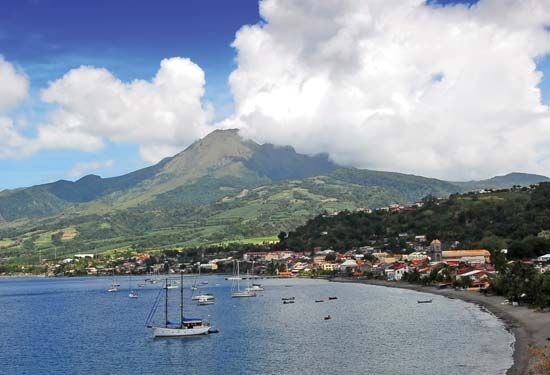
- Geological Character: The islands are primarily volcanic, featuring mountainous central ribs, craters, and hot springs. This rugged topography creates distinct microclimates and habitats that support unique biodiversity.1
- Historical Navigation: Because they were the first islands encountered by ships arriving from Europe via the trade winds, they held strategic importance during the colonial era, leading to complex administrative divisions by European powers.32
What is the climate like in the Windward Islands, and how does it affect daily life?
The Windward Islands experience a tropical maritime climate characterized by warm temperatures and high humidity throughout the year. Daily maximum temperatures typically range from the mid-80s °F (upper 20s °C) during the cooler months of December to April, rising to the upper 80s °F (low 30s °C) between May and November.1112
Climate and Daily Life
The climate significantly shapes daily life and regional activity in several ways:
- Temperature Regulation: While the region is tropical, the intense heat is tempered by steady trade winds and daily sea breezes, which make the environment more comfortable for residents and visitors.121
- Seasonal Patterns: The year is divided into a dry season (often called “Creole Lent”) from December to April and a wet season from July to October. This cycle influences agricultural planning and local water management.1211314
- Topographical Influence: Because the islands are mountainous, they feature diverse microclimates. The eastern, windward sides receive significantly more rainfall as moisture-laden air is forced upslope, while leeward areas may be drier. This variation dictates where specific crops are grown and how communities manage land use.1214
- Hurricane Preparedness: The threat of hurricanes from June to November is a critical factor in daily life, necessitating robust infrastructure and emergency planning to mitigate the risk of property damage and crop failure.12131
Sources
- Windward Islands — Encyclopædia Britannica
- Windward Islands — Merriam-Webster
- Lesser Antilles — Encyclopædia Britannica
- Saint Vincent and the Grenadines - Colonization — Encyclopædia Britannica
- Saint Lucia - Plant and animal life — Encyclopædia Britannica
- Dominica - Plant and animal life — Encyclopædia Britannica
- New Caledonia - Plant and animal life — Encyclopædia Britannica
- Guadeloupe - Plant and animal life — Encyclopædia Britannica
- Leeward Islands — Encyclopædia Britannica
- Pacific Ocean - The trade winds — Encyclopædia Britannica
- Cabo Verde - Climate — Encyclopædia Britannica
- West Indies: Top Questions — Encyclopædia Britannica
- Why Are Hurricanes Rare in Hawaii? — Encyclopædia Britannica
- Caribbean Sea - Climate — Encyclopædia Britannica
- Trade wind — Encyclopædia Britannica
- Guadeloupe - Climate — Encyclopædia Britannica
- Microclimate — Encyclopædia Britannica
- Highland climate — Encyclopædia Britannica
Published on · 4 min read