Vaccinium
Sorry, the Britannica knowledge base does not contain this information.
What are the main pests and diseases that affect Vaccinium plants?
Sorry, the Britannica knowledge base does not contain this information.
In which regions of the world are Vaccinium plants typically found?
Plants in the genus Vaccinium, which includes blueberries, cranberries, and bilberries, are widely distributed throughout the Northern Hemisphere. Their range extends southward along tropical mountain ranges, with a notable presence in Malesia.1
In North America, these shrubs are particularly abundant in northern and mountainous regions. They are found extensively across the eastern United States and Canada, throughout the Rocky Mountains, and along the Pacific coast. In Europe and Asia, various species are also widely distributed, with four specific species native to Great Britain.1
While the majority of commercial cultivation currently takes place in North and South America, the popularity of these crops has led to the establishment of farms globally. These plants generally thrive in cool climates with highly acidic, well-drained, and moist soils, though some species, such as the southern rabbiteye, are adapted to warmer temperatures.2
What are the nutritional benefits of fruits from Vaccinium plants?
Fruits from plants in the genus Vaccinium, particularly blueberries, are widely recognized as a “superfood” due to their dense nutritional profile. They serve as an excellent source of several essential nutrients that support overall health.1
Key nutritional components found in these berries include:
- Dietary Fibre: Important for digestive health.1
- Vitamins: They provide significant amounts of vitamin C, which supports immune function, and vitamin K, which is vital for blood clotting and bone health.1
- Minerals: They are a source of manganese and iron, both of which play key roles in metabolic processes.1
- Antioxidants: These compounds help protect the body against oxidative stress and cellular damage.1
Because they are members of the same genus, cranberries and bilberries share similar botanical characteristics with blueberries, often offering comparable health-promoting properties.21
What are the main characteristics of plants in the Vaccinium genus?
The genus Vaccinium consists of approximately 450 species of shrubs belonging to the heath family (Ericaceae). These plants are widely distributed throughout the Northern Hemisphere, with some species extending into tropical mountain ranges, particularly in Malesia.1
Physical Characteristics
- Growth Habit: The shrubs can be erect or creeping, with wiry stems in some species like the cranberry.13
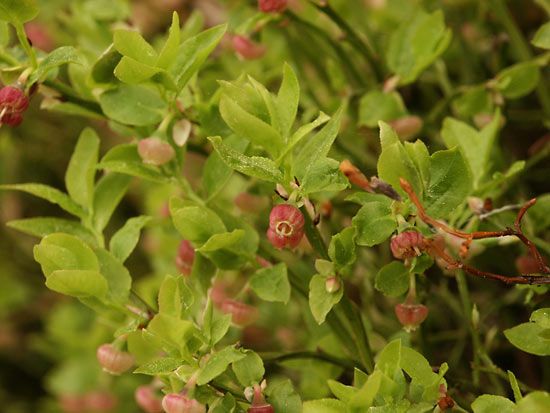
- Foliage: They feature alternate leaves that may be either deciduous or evergreen.13
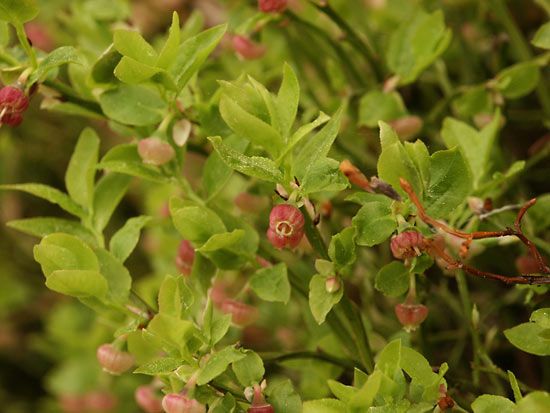
- Flowers: The small, often bell-shaped flowers resemble those of true heaths (Erica). A key botanical distinction is that the ovary is situated beneath the flower. Flowers may appear singly, in clusters, or in long spikes in the leaf axil.13
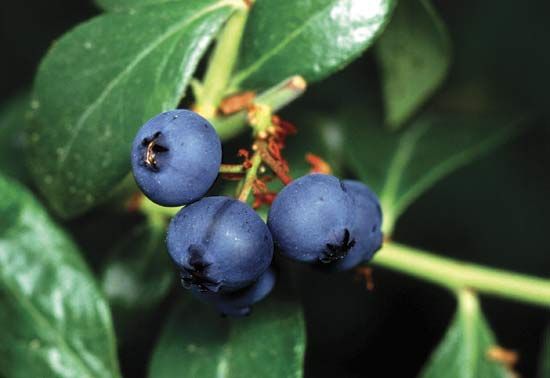
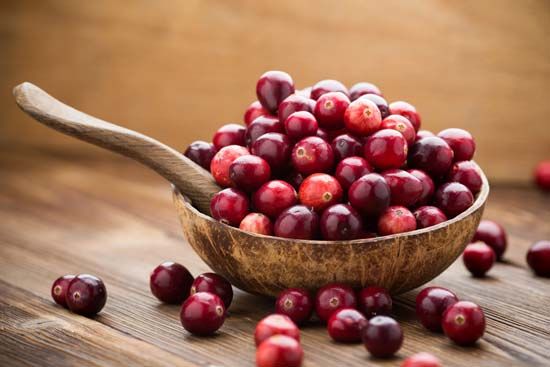
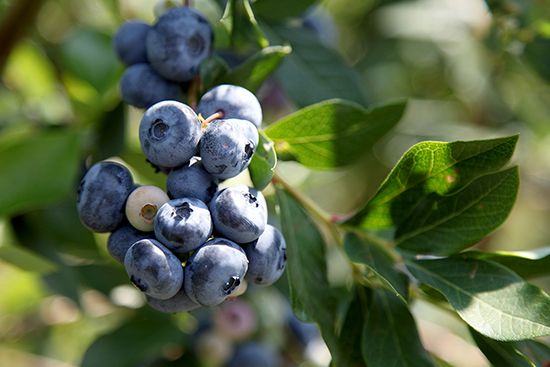
- Fruit: The genus is characterized by its baccate (berry-like) fruit, which is typically many-seeded and edible. These berries are often round or oblong and vary in color, including shades of blue, crimson, and dark red.143
Sources
Published on · 2 min read