Valtellina
Valtellina is an upper valley located in northern Italy, primarily within the Sondrio province of the Lombardy region. It follows the course of the Adda…
Where is Valtellina located in Italy, and what are its geographical features?
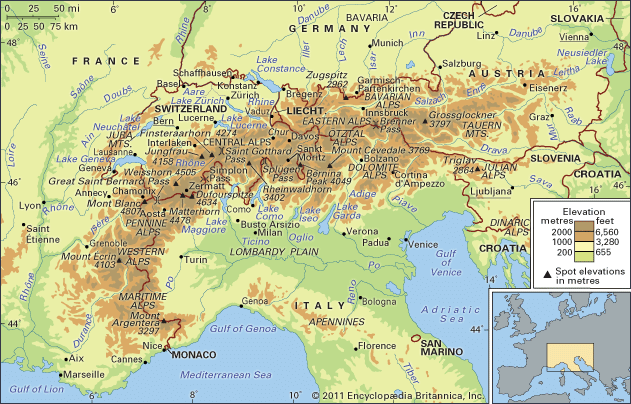
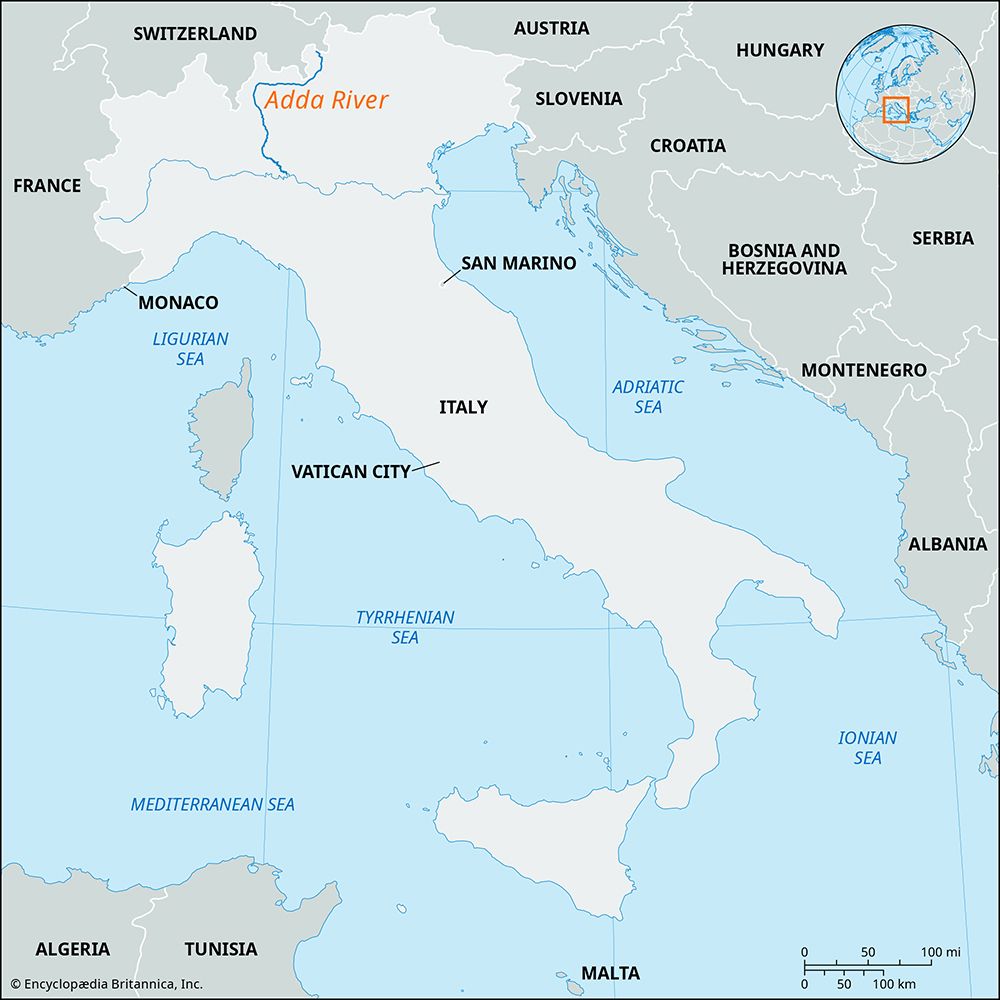
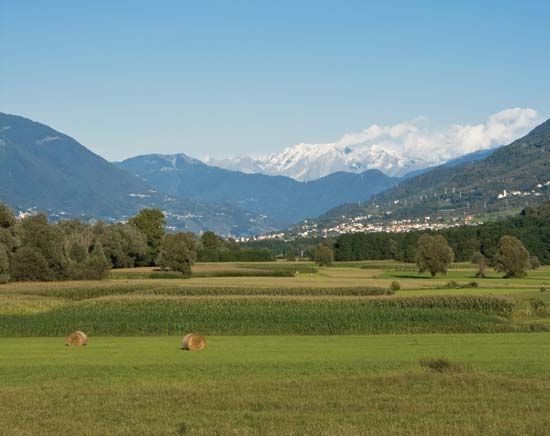
Valtellina is an upper valley located in northern Italy, primarily within the Sondrio province of the Lombardy region. It follows the course of the Adda River, stretching from its sources in the Ortles mountains westward to Lake Como.1
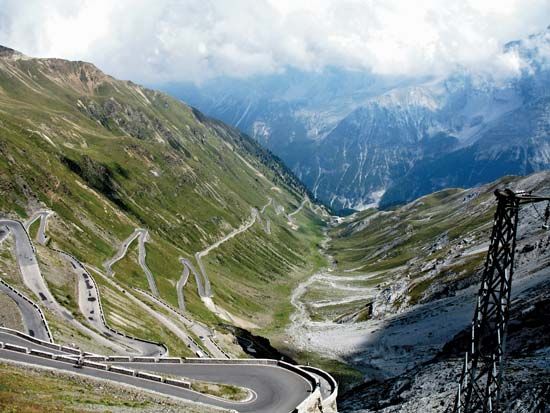
The valley is defined by its rugged Alpine geography, enclosed by the Bernina Alps to the north, the Ortles mountains to the northeast, and the Orobie Alps to the south. Its terrain is traversed by several significant mountain passes, including the Stelvio, the Bernina, the Aprica, and the Umbrail.1
Due to its fertile landscape, the valley supports diverse agriculture, forestry, and livestock farming, and it is particularly well-known for its wine production. In addition to its natural features, the region has become an important site for hydroelectric power generation and is a significant destination for tourism. Major towns in the area include Sondrio, Tirano, Chiavenna, Morbegno, and Bormio.1
How has the wine industry influenced Valtellina’s culture and economy?
The wine industry is a cornerstone of the regional identity and economic landscape of Valtellina. While the valley is recognized for its varied agriculture, forestry, and livestock, its viticulture stands out as a defining characteristic of the area.1
Economically, the production of wine contributes to the region’s agricultural output, complementing other vital sectors such as hydroelectric power generation and an increasingly significant tourism industry. The cultivation of vines in this rugged, mountainous terrain requires specialized labor and land management, which has historically shaped the local economy and land use patterns.1
Culturally, the prominence of wine production is deeply intertwined with the valley’s heritage. As a region that has navigated complex political shifts—from its time under the influence of the Swiss canton of Graubünden to its eventual integration into the Kingdom of Italy—the development of local viticulture reflects the resilience and distinct traditions of the Italian-speaking, Roman Catholic population.1
What are some popular tourist attractions and activities in Valtellina?
Valtellina offers a variety of attractions and activities, largely centered around its dramatic Alpine landscape and historic towns. Tourism is a significant economic driver in the region, supported by its accessibility via major mountain passes like the Stelvio and the Bernina.1
Popular Activities and Attractions
- Winter Sports: The region is a premier destination for winter sports, particularly Alpine skiing and snowboarding. Bormio, often referred to as “Wellness Mountain,” is a notable hub that hosts international skiing competitions.1
- Thermal Wellness: Visitors frequently travel to Bormio to experience its famous thermal waters. The town boasts the largest thermal park in the Alps, providing a relaxing retreat after outdoor activities.1
- Cycling: The challenging mountain terrain makes the valley a popular destination for cycling, attracting enthusiasts who wish to traverse the iconic Alpine passes.1
- Cultural Exploration: Travelers can explore the historic centers of the valley’s chief towns, including Sondrio, Tirano, Chiavenna, Morbegno, and Bormio, each offering a glimpse into the region’s rich heritage.31
What is the historical significance of the Valtellina valley?
The historical significance of the Valtellina valley is defined by its strategic location as a gateway through the Alps, which made it a frequent subject of territorial dispute. Originally the southern portion of ancient Raetia, the valley served as a critical transit point traversed by major mountain passes, including the Stelvio.
Throughout the Middle Ages and the early modern period, the valley was a focal point of geopolitical conflict:
- 6th–13th Century: The region was contested between the city of Milan and the bishops of Como.
- 16th–17th Century: It became a site of struggle between Milan and the Swiss canton of Graubünden.
- 1639–1797: The valley was under the control of Graubünden.
- Napoleonic Era to Unification: Following French domination during the Napoleonic Wars, the region passed to Austrian Lombardy before finally being incorporated into the Kingdom of Italy in 1859.
Today, the valley remains culturally distinct, with an Italian-speaking, Roman Catholic population that has maintained its heritage while developing a modern economy based on agriculture, hydroelectric power, and tourism.
Sources
- Valtellina — Encyclopædia Britannica
- Lombardy — Encyclopædia Britannica
- Bormio: Top Questions — Encyclopædia Britannica
- Valais — Encyclopædia Britannica
- Milan - Feudal and dynastic conflicts — Encyclopædia Britannica
Published on · 3 min read