Velvet Ant
There is no information in the provided search results regarding the conservation status of velvet ants, such as whether any of the approximately 3,000 known…
Are there any species of velvet ants that are endangered or threatened?
There is no information in the provided search results regarding the conservation status of velvet ants, such as whether any of the approximately 3,000 known species are currently classified as endangered or threatened.
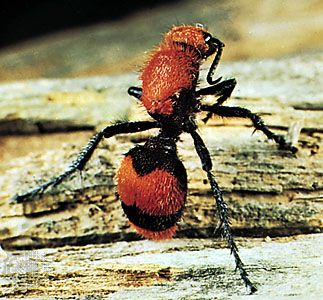
Why are velvet ants called ‘cow killers,’ and is this name accurate?
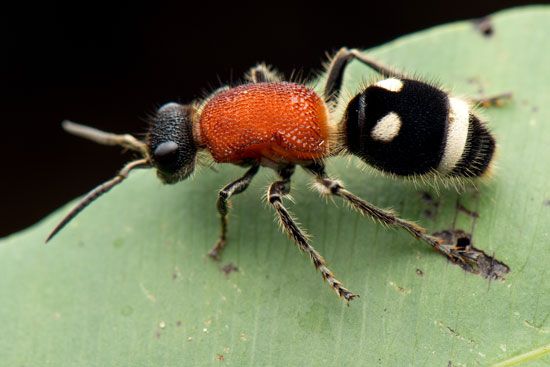
The name “cow killer” is a common moniker for the velvet ant, specifically the large red and black species Dasymutilla occidentalis. This nickname stems from the insect’s reputation for possessing an exceptionally painful sting.21
However, the name is not scientifically accurate. While the female velvet ant is capable of delivering a severe sting using its modified ovipositor—a pain often described as feeling like being stabbed—there is no evidence that the sting is potent enough to kill a cow. The sting is primarily a defensive mechanism used by the wingless females to protect themselves. The insect’s reputation for lethality is a hyperbolic exaggeration of the intensity of its venomous sting, which is rated a 2 on the Schmidt sting pain index.21
Where can velvet ants be found, and what habitats do they prefer?
Velvet ants (family Mutillidae) are found globally, though they are most prevalent in the hot, dry regions of the Western Hemisphere.1
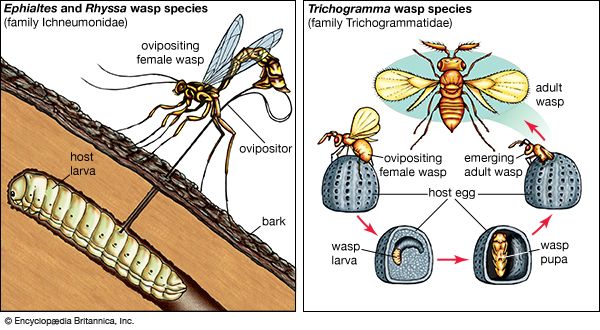
Regarding their preferred habitats, these insects are characterized as fossorial, meaning they are adapted for digging or burrowing. Because they are parasitoids that target the immature stages of ground-nesting bees, wasps, flies, and beetles, their habitat selection is closely tied to the presence of these ground-nesting hosts. In cooler climates, they have adapted to survive the winter by remaining in the pupal stage.31
What is the life cycle of a velvet ant?
The life cycle of a velvet ant (family Mutillidae) is defined by its role as a parasitoid. Because they are not true ants but a type of wasp, their development involves the following stages:
- Egg-laying: The wingless female velvet ant searches for the nests of ground-nesting bees, wasps, flies, or beetles. She deposits a single egg into a cell containing a host larva.
- Larval Development: Once the egg hatches, the velvet ant larva develops as an ectoparasite, feeding externally on the body of the immature host.
- Pupation: After consuming the host, the velvet ant enters the pupal stage. In cooler regions, this stage serves as the mechanism for overwintering, allowing the insect to survive until the following season.
- Emergence: The adult velvet ant eventually emerges from the pupal case. Adult males are winged and resemble typical wasps, while females remain wingless and antlike in appearance.
Sources
- velvet ant — Encyclopædia Britannica
- cow killer — Merriam-Webster
- velvet ant — Merriam-Webster
- Reproductive behaviour - Insects — Encyclopædia Britannica
Published on · 2 min read