Lagoon
Lagoons are shallow, quiet bodies of water separated from the open sea by a barrier. They are primarily categorized into two types based on the nature of…
What are the main types of lagoons and how do they differ?
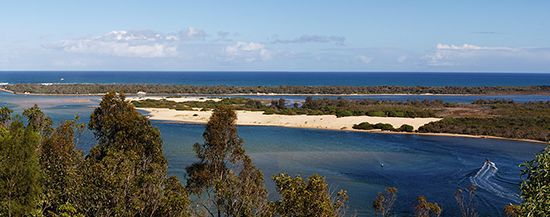
Lagoons are shallow, quiet bodies of water separated from the open sea by a barrier. They are primarily categorized into two types based on the nature of that barrier:1
Barrier Island Lagoons
These coastal lagoons form on low-lying coasts where waves and currents deposit sand to create barrier islands. They are characterized by:23
- Formation: Dependent on wave action and an adequate supply of sediment.3
- Environment: Often feature brackish water and fine-grained sedimentation.23
- Distribution: Common on the east coasts of continents and regions with moderate to low tidal ranges.2
Coral Lagoons
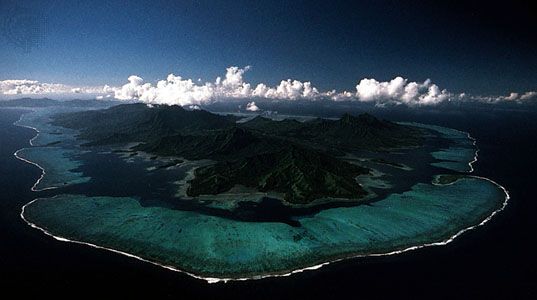
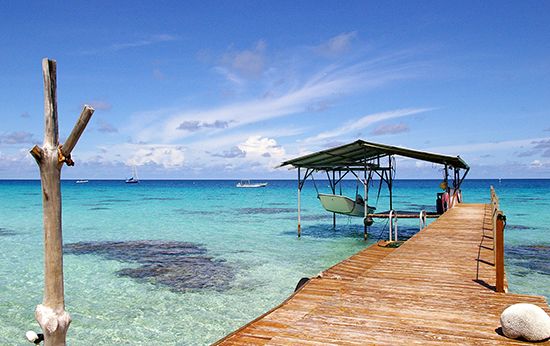
These are restricted to tropical regions where conditions support coral growth.4
- Formation: Created by the upward growth of coral reefs, which protect the water from direct wave action.14
- Environment: Often circular or irregular in shape, these lagoons contain significant calcareous material due to their organic origin.1
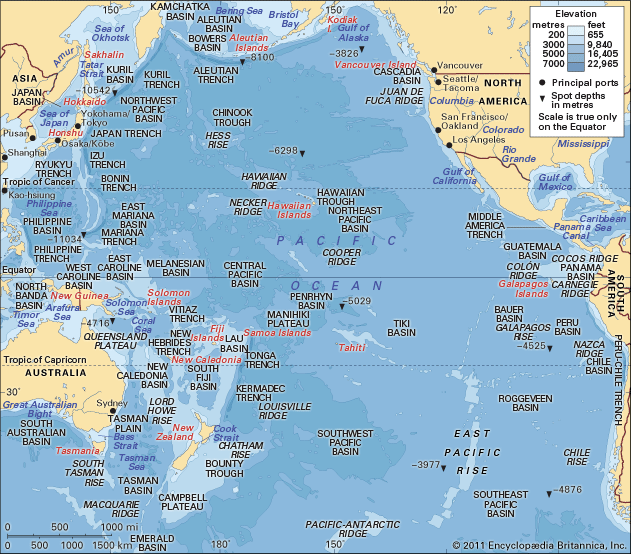
- Distribution: Found primarily within 25° latitude of the Equator, such as in the Pacific Ocean atolls.4
While barrier island lagoons are highly influenced by river runoff and climate, coral lagoons typically maintain properties closer to the open ocean.5
What is a lagoon and how is it formed in geographical terms?
A lagoon is a shallow, quiet body of water located in a coastal environment that maintains access to the sea but is separated from open marine conditions by a barrier. These barriers can be either wave-built features, such as sandbars or barrier islands, or organic structures like coral reefs.47
Formation Processes
The formation of a lagoon depends on the nature of its barrier:
- Barrier Island Lagoons: These form on low-lying coasts where waves deposit sand or other sediments. When the coastal slope is flatter than the equilibrium required by waves, barrier islands accumulate. If the sea level rises slowly, the low-lying land behind these barriers becomes flooded, creating a lagoon. These environments are often shaped by river-borne sediment and flocculation, which accelerates deposition.28
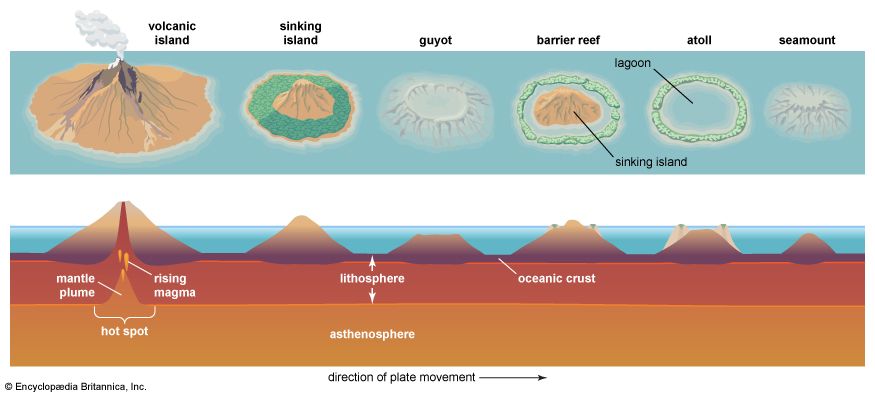
- Coral Lagoons: These are found in tropical regions where coral growth is possible. According to the subsidence hypothesis, as a volcanic island or landmass sinks, coral reefs grow upward to maintain their position near the surface. This upward growth creates a protected, circular, or irregular body of water between the reef and the land, eventually forming an atoll if the original landmass becomes fully submerged.91011
How are lagoons affected by climate change and rising sea levels?
Climate change and rising sea levels significantly impact the stability and existence of lagoons. Because lagoons rely on specific barriers—such as sandbars, barrier islands, or coral reefs—to separate them from the open sea, changes in sea level can fundamentally alter their geography.28
Impacts of Rising Sea Levels
- Barrier Drowning: The existence of a lagoon depends on its barrier remaining above sea level. If sea levels rise too rapidly, these barriers can become submerged or “drowned,” causing the lagoon to cease to exist as a distinct, protected environment.3
- Configuration Changes: While a slow rise in sea level can allow some barriers to maintain their position through sediment accumulation, rapid changes disrupt this balance. Storms and tsunamis are exacerbated by higher water levels, which can breach or overtop barriers, creating new inlets or causing significant erosion to the mainland shore.810
- Coral Resilience: In the case of coral lagoons, the survival of the lagoon depends on the ability of coral reefs to grow upward at a rate that keeps pace with rising sea levels. While reefs are generally more resistant to storm damage than mobile sandy barriers, they remain vulnerable to environmental stressors that inhibit coral growth.3109
Can you give examples of famous lagoons around the world?
Lagoons are diverse coastal features found globally, ranging from barrier island systems to tropical coral atolls. Here are some notable examples:
- Venice Lagoon (Italy): This famous coastal lagoon, or Laguna Veneta, is formed by the interaction of tidal currents and Alpine rivers. It provided a natural, protected foundation for the city of Venice, which was built on millions of wooden piles driven into the lagoon’s soft mud and clay.1
- Lake Maracaibo (Venezuela): While often called a lake, this large body of water is frequently described as a lagoon or gulf because of its connection to the Caribbean Sea. It is a major center for petroleum production, with thousands of derricks located directly in the water.1415
- Aitutaki Atoll (Cook Islands): This is a classic example of a coral lagoon. A reef encircles the island, creating a protected, turquoise lagoon that is vital to the local ecosystem and community.165
- Palmyra Atoll (U.S. Territory): Located in the Pacific Ocean, this coral atoll features a central lagoon surrounded by approximately 50 islets. It serves as an important, largely unspoiled wildlife refuge.17
- Great Barrier Reef (Australia): This massive system contains numerous coral-reef lagoons that form between the reef structures and the mainland or within the reef complex itself.18
Sources
- lagoon - Barrier island lagoons — Encyclopædia Britannica
- lagoon — Encyclopædia Britannica
- lagoon - Water temperature and salinity — Encyclopædia Britannica
- lagoon - Barrier bars and sediment sources — Encyclopædia Britannica
- lagoon - Coral lagoons — Encyclopædia Britannica
- atoll — Merriam-Webster
- coral reef - Origin and development of reefs — Encyclopædia Britannica
- lagoon - Waves , tides, and surf — Encyclopædia Britannica
- lagoon - Storms and catastrophic events — Encyclopædia Britannica
- lagoon - The effect of time — Encyclopædia Britannica
- lagoon — Merriam-Webster
- lagoons — Merriam-Webster
- salinity — Encyclopædia Britannica
- How was Venice built on water? — Encyclopædia Britannica
- Lake Maracaibo — Encyclopædia Britannica
- Aitutaki Atoll — Encyclopædia Britannica
- Venezuela - Drainage of Venezuela — Encyclopædia Britannica
- Cook Islands - Relief and drainage — Encyclopædia Britannica
- Palmyra Atoll — Encyclopædia Britannica
Published on · 4 min read