Vestmanna Islands
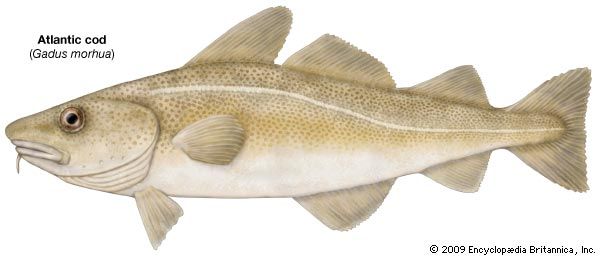
The economy of the Vestmanna Islands is primarily driven by the fishing industry and fish processing. These islands host some of the most significant fishing…
What are the main economic activities and industries on the Vestmannaeyjar?
The economy of the Vestmanna Islands is primarily driven by the fishing industry and fish processing2. These islands host some of the most significant fishing operations in all of Iceland. In addition to these core activities, the region supports some limited farming.12
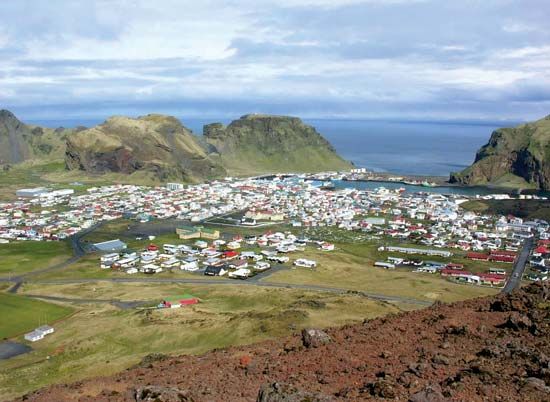
While the islands are volcanic and largely rocky, their strategic location off the southern coast of Iceland has solidified their role as a vital hub for the nation’s maritime economy. The town of Vestmannaeyjar, located on the inhabited island of Heimaey, serves as the center for these economic efforts.21
What role do the Vestmannaeyjar play in Iceland’s maritime history and fishing industry?
The Vestmanna Islands serve as a cornerstone of Iceland’s maritime economy, hosting some of the nation’s most significant fishing operations. Located off the southern coast, the islands—specifically the town of Vestmannaeyjar on the island of Heimaey—rely heavily on the fishing industry and fish processing as their primary economic activities.21
While the islands are volcanic and rugged, their strategic position has made them a vital hub for the broader Icelandic maritime sector, which has evolved from a decentralized agricultural model to one concentrated in coastal towns focused on commercial fishing. This industry remains central to the national identity and economy, supported by advancements in technology and strict management of fish stocks, such as cod and capelin, to ensure long-term sustainability.1236
What is the history of human settlement on the Vestmannaeyjar?
The Vestmanna Islands (Vestmannaeyjar) are a group of 14 small, volcanic islands located off the southern coast of Iceland. While the broader history of Iceland began with Norse settlement during the Viking Age (c. 870–930 CE), the islands have maintained a distinct identity as a vital maritime hub.27
The only inhabited island in the group is Heimaey, which serves as the site for the town of Vestmannaeyjar. Historically, the islands’ development has been closely tied to the evolution of Iceland’s fishing industry. Although the islands are rocky and barren, their strategic location allowed them to become one of the most significant centers for commercial fishing and fish processing in the country centers for commercial fishing and fish processing in the country.28
The human experience on the islands has also been shaped by their volatile geology. In 1973, a major volcanic eruption on Heimaey destroyed approximately one-third of the town, forcing a temporary evacuation and significantly impacting the local community and its infrastructure.2
How were the Vestmannaeyjar formed, and what is their geological significance?
The Vestmanna Islands (Vestmannaeyjar) are a group of 14 small islands of volcanic origin located off the southern coast of Iceland. They are characterized by rocky, barren terrain and precipitous cliffs that rise up to 1,000 feet (300 meters) directly from the Atlantic Ocean.2
Their geological significance is tied to Iceland’s position atop the Mid-Atlantic Ridge, a tectonic boundary that drives frequent volcanic activity. The islands provide a clear window into these processes:11
- Surtsey: Located 14 miles southwest of the group, this island emerged from the ocean floor between 1963 and 1967. It is a UNESCO World Heritage site because it offers scientists a unique, undisturbed environment to study the colonization of new land by plant and animal life.212
- Heimaey: The only inhabited island, it experienced a major volcanic eruption in 1973 that destroyed one-third of the town of Vestmannaeyjar, demonstrating the ongoing and volatile nature of the region’s geology.211
Sources
- Iceland - Agriculture and fishing — Encyclopædia Britannica
- Vestmanna Islands — Encyclopædia Britannica
- Iceland - Settlement patterns — Encyclopædia Britannica
- Iceland - Services — Encyclopædia Britannica
- New Brunswick - Agriculture, forestry, and fishing — Encyclopædia Britannica
- Iceland - Fishing limits — Encyclopædia Britannica
- Iceland - Settlement ( c. 870– c. 930) — Encyclopædia Britannica
- Vesterålen — Merriam-Webster
- Iceland: Top Questions — Encyclopædia Britannica
- Norway - The Vikings — Encyclopædia Britannica
- Surtsey — Encyclopædia Britannica
- Iceland - Land — Encyclopædia Britannica
Published on · 3 min read