Surtsey
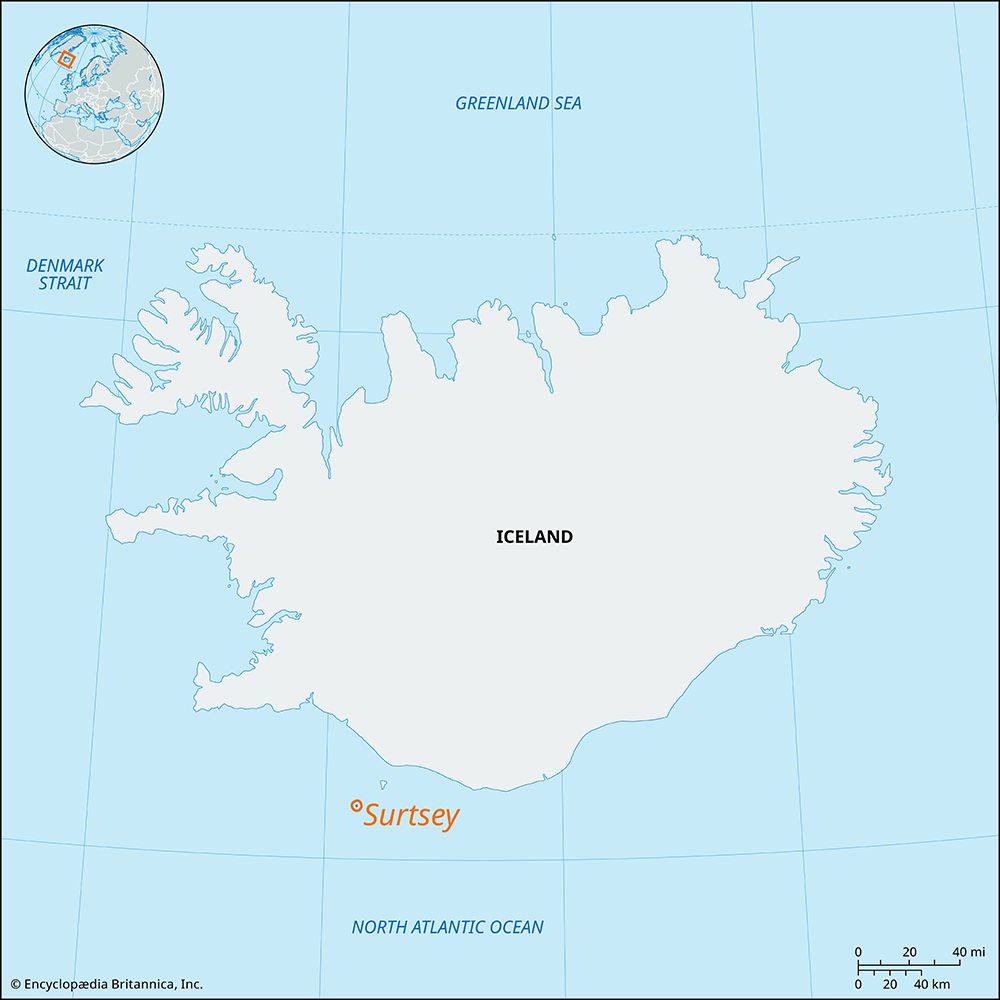
Surtsey was formed through a fiery volcanic eruption that began in November 1963 off the southern coast of Iceland. Its formation is a prime example of…
What geological processes led to the formation of Surtsey?
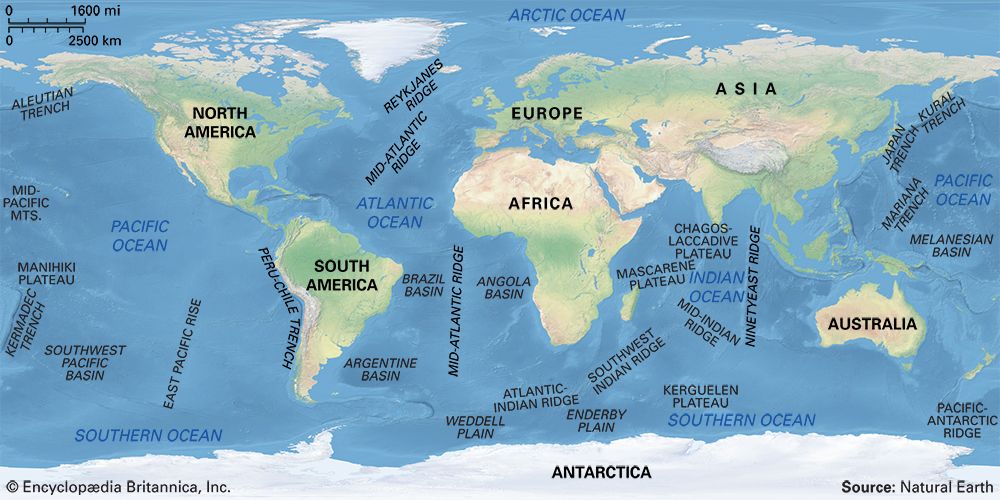
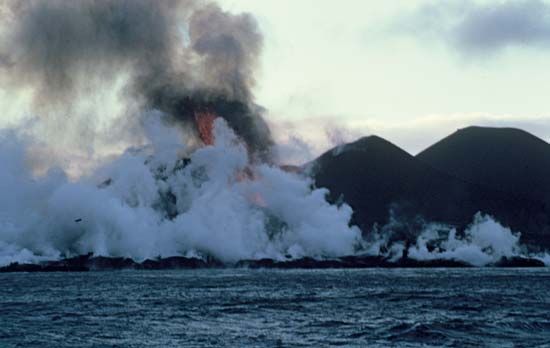
Surtsey was formed through a fiery volcanic eruption that began in November 1963 off the southern coast of Iceland. Its formation is a prime example of subaerial volcanism occurring along the oceanic ridge system.12
In this geologic setting, tectonic plates move apart, allowing magma to well up from the mantle to create new ocean floor. While most of this activity remains underwater, the ridge system is sufficiently elevated in Iceland to allow for eruptions that break the surface. Over three and a half years, the volcanic core built an island that reached 560 feet (171 meters) above sea level. Since the eruption ceased, the island has been subject to erosion, which has gradually reduced its total area and elevation. Today, the island serves as a vital site for studying the colonization of new land by biological life.21
What types of plants and animals have colonized Surtsey since its formation?
Since its formation in 1963, Surtsey has served as a unique natural laboratory for scientists to observe the colonization process of new land by biological life. Because the island emerged from the ocean completely sterile, its development provides clear insights into how ecosystems are established from scratch.
According to research, the initial colonization began very shortly after the volcanic activity ceased. Within just six months of the eruption, the island had already been colonized by:
- Microorganisms: Bacteria and molds were among the first to arrive, establishing a foundation for further biological development.1
- Invertebrates: Various insects were recorded on the island in the earliest stages of its formation.1
- Birds: Several bird species arrived early on, utilizing the new land as a site for resting or potential nesting.1
Over the following decades, the diversity of life on Surtsey increased significantly, with hundreds of species eventually reaching the island. While not every species that arrives is able to survive and become permanently established, the island’s community has continued to evolve toward a state of dynamic equilibrium.1
What role does UNESCO play in the preservation of Surtsey?
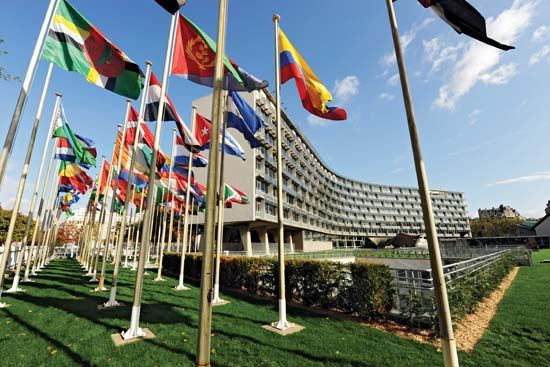
UNESCO plays a critical role in the preservation of Surtsey by recognizing its immense scientific value. In 2008, the organization designated the island as a World Heritage site to ensure its protection and continued study.1
This designation was granted specifically because Surtsey provides a unique, pristine environment for scientists to observe the “colonization process of new land by plant and animal life.” By protecting the island, UNESCO helps maintain a controlled, undisturbed setting for the long-term biological research programs conducted by Icelandic and American scientists, allowing them to track how ecosystems develop from a sterile, volcanic origin without human interference.1
What is Surtsey and when was it formed?
Surtsey is a volcanic island located off the southern coast of Iceland, southwest of the Vestmanna Islands. It emerged from the Atlantic Ocean following a volcanic eruption that began in November 1963.17
Over the course of three and a half years, the eruption created an island that reached an elevation of 560 feet (171 meters) above sea level. While erosion has since reduced its size and elevation, the island remains a significant site for scientific study. It was named in 1965 after Surtur, the fire god of Icelandic mythology, and was designated a World Heritage site by UNESCO in 2008 due to the unique opportunity it provides for researchers to observe the colonization of new land by plants and animals.1
Sources
- Surtsey — Encyclopædia Britannica
- volcano - Submarine volcanoes — Encyclopædia Britannica
- volcanism — Encyclopædia Britannica
- Charadriiform - Gulls (suborder Lari) — Encyclopædia Britannica
- Pelecaniform - Reproduction — Encyclopædia Britannica
- community ecology - Biogeographic aspects of diversity — Encyclopædia Britannica
- Surtsey — Merriam-Webster
Published on · 3 min read