Vetiver
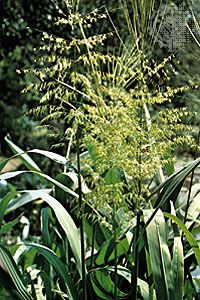
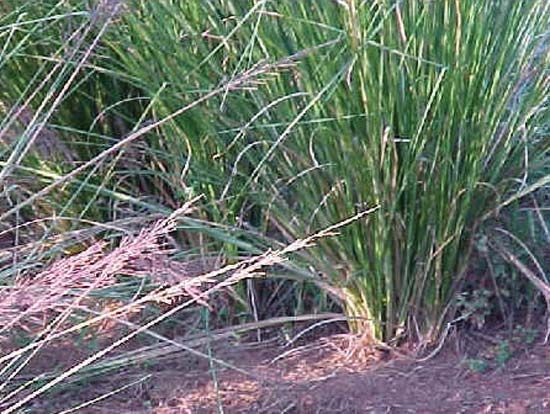
Vetiver (Chrysopogon zizanioides) is a tall perennial bunchgrass belonging to the Poaceae family, native to tropical Asia.
What is Vetiver?
Vetiver (Chrysopogon zizanioides) is a tall perennial bunchgrass belonging to the Poaceae family, native to tropical Asia.12
The plant is characterized by its rigid, erect stems and leaves, reaching heights of up to 1.5 meters (5 feet). It is highly valued for its deep, fragrant roots, which can grow over 3 meters (10 feet) into the soil. These roots are harvested to produce a brown or reddish-brown essential oil widely used in perfumes, cosmetics, and soaps. Additionally, the roots are used in the production of woven goods, such as mats.132
Beyond its commercial applications, vetiver is drought-resistant and serves important ecological functions. It is often planted as a hedge or used in dryland restoration projects to help mitigate soil erosion. While cultivated globally in warm regions, it has escaped human management in some areas, where it is considered a weed.1
How does vetiver grass help prevent soil erosion?
Vetiver grass (Chrysopogon zizanioides) is highly effective at preventing soil erosion primarily due to its unique root structure. Unlike many grasses that have shallow, spreading root systems, vetiver develops deep, dense roots that can penetrate more than 3 meters (10 feet) into the ground.1
When planted as a hedge, these deep roots act as a structural anchor, binding the soil together and stabilizing the earth against the forces of wind and water. Because the plant is a large, tufted bunchgrass with rigid, erect stems and leaves, it also serves as a physical barrier that slows down surface water runoff, allowing more water to infiltrate the soil rather than washing it away. Its drought-resistant nature further ensures that it can maintain this protective cover even in challenging, dry environments, making it a valuable tool for land restoration.1
What makes the roots of vetiver so fragrant?
The roots of the vetiver grass (Chrysopogon zizanioides) are fragrant because they contain a complex essential oil. This oil, which is typically brown to reddish-brown in color, is highly valued in the production of perfumes, cosmetics, and soaps due to its distinct scent.213
While the provided information confirms that the roots contain this aromatic oil, the specific chemical compounds responsible for the fragrance are not detailed in the current knowledge base.321
In what ways is vetiver used in traditional crafts?
Beyond its role in perfumery, the fragrant roots of vetiver have long been utilized in traditional craftsmanship. Because the roots are both aromatic and durable, they are frequently harvested and processed for use in various woven goods.
The most common application in traditional crafts is the weaving of mats. These items are prized not only for their structural integrity but also for the pleasant, earthy scent the roots impart to the finished product. By incorporating the roots into textiles and other woven articles, artisans have historically combined functional utility with the plant’s natural olfactory properties.1
Sources
- vetiver — Encyclopædia Britannica
- vetiver oil — Merriam-Webster
- vetiver — Merriam-Webster
Published on · 2 min read