Wallflower
The term "wallflower" originated in the 16th century to describe plants of the genus Erysimum, which belong to the mustard family. These plants earned their…
How did wallflowers get their name, and what is their cultural significance?
The term “wallflower” originated in the 16th century to describe plants of the genus Erysimum, which belong to the mustard family. These plants earned their name due to their habit of growing from chinks and crevices in walls.123
The cultural significance of the word shifted in the early 19th century to describe a person who remains on the sidelines of social activities, such as dances, due to shyness or unpopularity. This metaphorical usage likely stems from the image of such individuals standing against the walls of a room, mirroring the plant’s tendency to cling to stone structures. While the botanical term remains a common name for these fragrant, colorful flowers, the figurative meaning is now widely recognized in English to describe someone who is introverted or reserved in social settings.234
What are the most popular varieties of wallflowers, and how do they differ?
The genus Erysimum includes approximately 180 species, with two primary varieties frequently recognized for their ornamental and botanical characteristics:
Aegean Wallflower (Erysimum cheiri)
- Origin: Native to the cliffsides and meadows of southern Europe; naturalized in Great Britain.
- Growth Habit: Typically a biennial to perennial plant reaching heights of about 70 cm (28 inches).
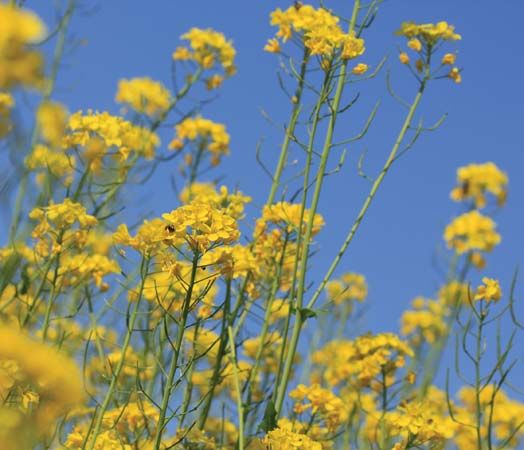
- Appearance: Features erect stalks with spikelike clusters of fragrant flowers that range from golden to brown.
- Cultivation: This species is the source of many ornamental cultivars available in a diverse array of colors.
Western Wallflower (Erysimum asperum)
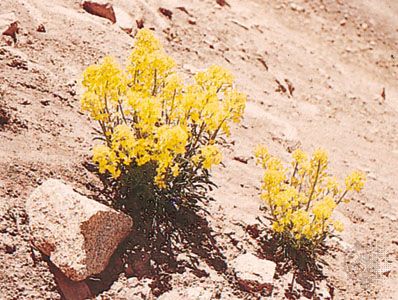
- Origin: Found in central to western North America, specifically in prairies, sand hills, and open woods.
- Growth Habit: A perennial that grows up to 90 cm (35 inches) tall.
- Appearance: Produces long spikes of fragrant yellow to orange flowers.
- Usage: It is commonly utilized in rock gardens due to its hardiness and aesthetic appeal.
What is the scientific name of wallflowers and which plant family do they belong to?
Wallflowers belong to the genus Erysimum and are members of the mustard family, also known as Brassicaceae.6
How long have wallflowers been cultivated, and what is their native range?
Wallflowers (genus Erysimum) are native to much of the Northern Hemisphere. Specifically, the Aegean wallflower (Erysimum cheiri) is native to the cliffsides and meadows of southern Europe, while the western wallflower (E. asperum) is native to the prairies, sand hills, and open woods of central to western North America.1
Regarding their history of cultivation, wallflowers have been recognized in botanical contexts since at least the late 16th century, with their first known use in English literature recorded in 1577. While early gardening in Europe primarily focused on utility, the 16th century marked the emergence of gardens as spaces for creative display and enjoyment. During this period, there was an increased curiosity about the natural world and a growing interest in incorporating fragrant, ornamental plants into garden designs.74
Sources
- wallflower — Encyclopædia Britannica
- wallflowers — Merriam-Webster
- Aloof, Wallflower, and More Words for Introverts | Wallflower — Merriam-Webster
- wallflower — Merriam-Webster
- English wallflower — Merriam-Webster
- brassica — Encyclopædia Britannica
- gardening - Early history — Encyclopædia Britannica
Published on · 2 min read