Winter Cress
Winter cress refers to any of the approximately 20 species of weedy herbs belonging to the genus Barbarea within the mustard family (Brassicaceae). Native to…
What is winter cress?
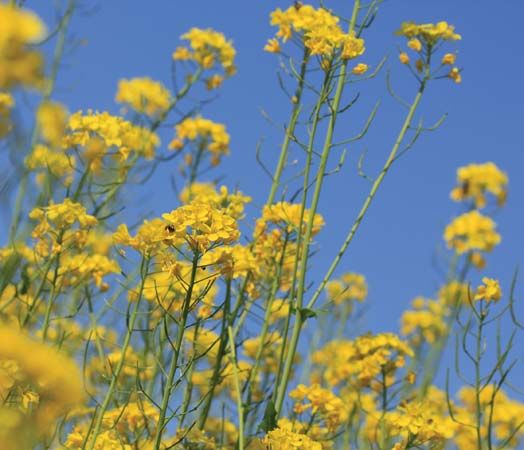
Winter cress refers to any of the approximately 20 species of weedy herbs belonging to the genus Barbarea within the mustard family (Brassicaceae). Native to the north temperate region, these plants are typically biennials or perennials characterized by deeply lobed leaves and four-petaled flowers.12
Some varieties are cultivated as salad greens, valued for their pungent flavor and high content of vitamin C and vitamin A. Notable species include:1
- Common winter cress (B. vulgaris): Also known as yellow rocket, this plant features bright yellow flowers and can reach heights of about 80 cm.1
- Early winter cress (B. verna): Often called scurvy grass, this species is distinguished by basal leaves with multiple pairs of lobes.1
Both of these species are edible and produce long, narrow seed capsules known as siliques.1
What other plants belong to the mustard family?
The Brassicaceae family, commonly known as the mustard family, comprises over 4,100 species of flowering plants. Beyond winter cress, the family includes a wide variety of economically significant food crops and ornamental plants.34
Food Crops
Many members of the genus Brassica have been domesticated for human consumption. Common examples include:35
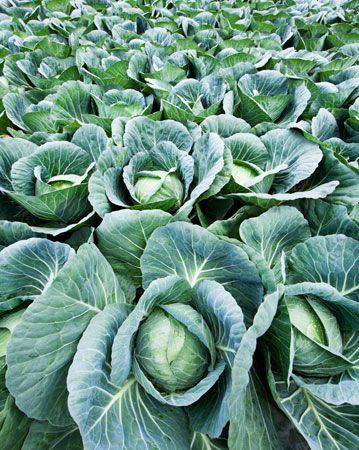
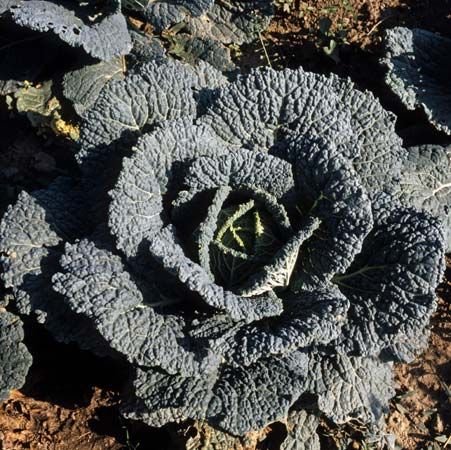
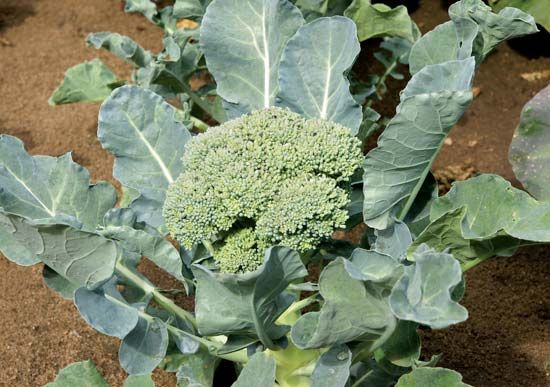
- Vegetables: broccoli, cabbage, Brussels sprouts, cauliflower, kale, kohlrabi, napa cabbage, turnip, and rutabaga.34
- Condiments and Greens: arugula, horseradish, radish, wasabi, watercress, and various mustard seeds.34
Ornamentals
Several species are cultivated for their showy, cross-shaped flowers:4
- Basket-of-gold, candytuft, dame’s rocket, honesty, rock cress, stock, stonecress, sweet alyssum, and wallflower.364
These plants are generally characterized by their four-petaled flowers and the presence of pungent, sulfur-containing compounds known as glucosinolates.36
How do biennial and perennial plants differ?
The primary difference between biennial and perennial plants lies in their life span and reproductive cycles.
Biennial Plants
Biennials are herbaceous plants that complete their entire life cycle over two growing seasons.78
- First Season: The plant focuses on vegetative growth, developing roots, stems, and leaves.78
- Second Season: The plant produces flowers, fruits, and seeds, after which the entire plant dies.78
- Examples: Carrots, parsley, and dill.7
Perennial Plants
Perennials are plants that persist for several years, typically flowering annually once they reach maturity.98
- Growth Pattern: Unlike biennials, perennials do not die after a single reproductive cycle. In temperate climates, their aerial parts often die back in autumn, but the plant survives through underground structures like bulbs, rhizomes, or tubers, producing new growth the following season.98
- Examples: Trees, shrubs, asparagus, and chrysanthemums.9
What are some common wild edible plants?
Many wild plants are edible, though it is essential to correctly identify any plant before consumption to ensure safety. Several members of the mustard family are commonly found in the wild and are known for their piquant, peppery leaves.
- Watercress: A hardy perennial often found growing in streams, pools, and ditches. Its fresh leaves are frequently used in salads and as a garnish.11
- Garden cress: Also known as peppergrass, this fast-growing plant is often found as a weed. Its seedlings are commonly used in salads and sandwiches.11
- Upland cress: A hardy biennial native to Europe that is often considered a weed and is rarely cultivated, despite its edibility.11
- Winter cress: Also called yellow rocket, this is a common weed easily identified by its bright yellow spring flowers.11
- Bitter cress: Found in damp meadows throughout the Northern Hemisphere, this plant features small white to rose-colored flowers.11
We could dive deeper into the identification features of these plants or discuss the importance of foraging safety.
Sources
- winter cress — Encyclopædia Britannica
- winter cress — Merriam-Webster
- Brassicaceae — Encyclopædia Britannica
- Brassicales - Brassicaceae , Capparaceae, and Cleomaceae — Encyclopædia Britannica
- list of economically important members of the family Brassicaceae — Encyclopædia Britannica
- brassica — Encyclopædia Britannica
- Biennial — Encyclopædia Britannica
- Perennial — Encyclopædia Britannica
- Angiosperm - General features — Encyclopædia Britannica
- Plant development - Senescence in plants — Encyclopædia Britannica
- cress — Encyclopædia Britannica
Published on · 3 min read