Water Purification
Chlorination is a water purification process involving the addition of chlorine or chlorine compounds to destroy pathogenic bacteria and prevent waterborne…
How does chlorination work in water purification, and what are its benefits and drawbacks?
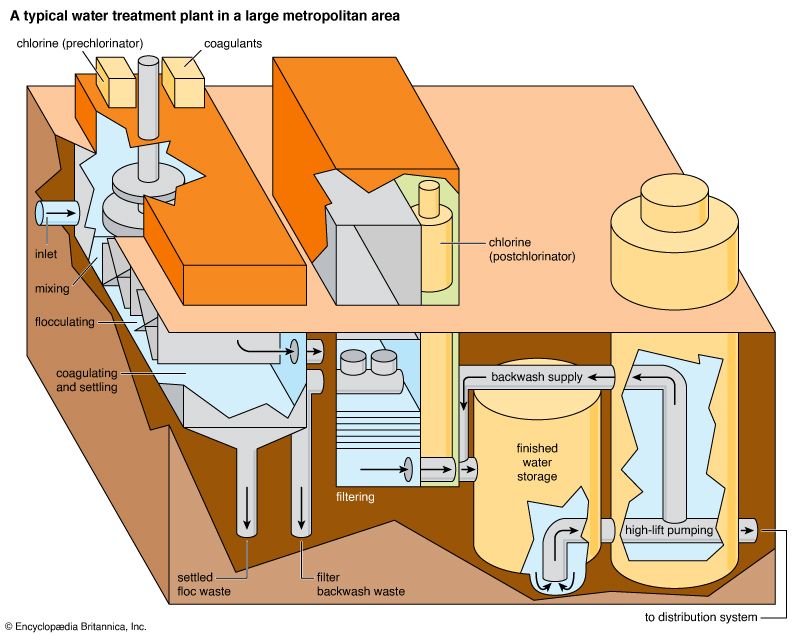
Chlorination is a water purification process involving the addition of chlorine or chlorine compounds to destroy pathogenic bacteria and prevent waterborne diseases. It can be applied as a gas, liquid, or solid, with gaseous chlorine often being the most economical choice for large-scale treatment.12
Benefits and Drawbacks
Chlorination is highly effective because it maintains a residual concentration throughout the distribution system, ensuring water remains safe until it reaches the consumer. Using chloramines (chlorine combined with ammonia) can further extend this protection while reducing taste and odor issues.2
However, drawbacks exist:
- Disinfection By-products (DBPs): Chlorine can react with organic matter to form harmful substances like trihalomethanes, which are linked to potential health risks1.2
- Prechlorination Concerns: Applying chlorine early in the treatment process (prechlorination) increases the risk of DBP formation.3
- Environmental Impact: The release of chlorine into the environment poses hazards.3
What are the differences between water purification for drinking and for wastewater treatment?
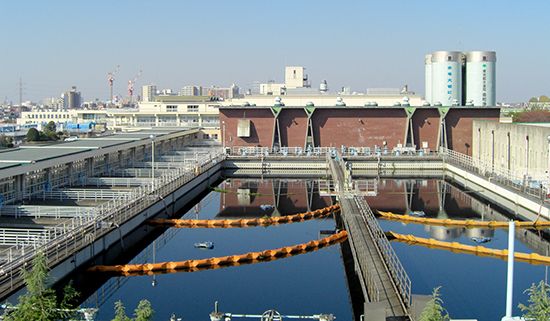
The primary difference between water purification for drinking and wastewater treatment lies in their ultimate goals: the former aims to produce potable water that is safe and aesthetically pleasing for human consumption, while the latter focuses on removing pollutants to protect public health and the environment before discharging water back into nature.56
Drinking Water Purification
The objective is to provide water free of harmful microorganisms and chemicals, while also ensuring it is clear, odorless, and tasteless.6
- Standards: Regulations include primary standards to protect public health and secondary standards for aesthetic factors like color and taste.7
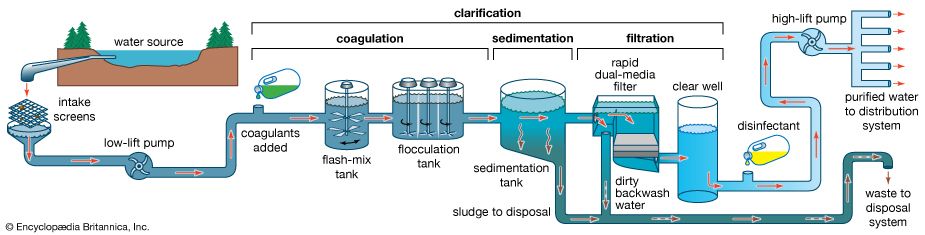
- Processes: Treatment depends on the source quality. Surface water typically requires extensive clarification to remove turbidity, followed by disinfection to destroy pathogens. Groundwater often requires less treatment but is still disinfected as a precaution.6
Wastewater Treatment
The goal is to remove suspended solids, biodegradable organics, and pathogens to meet regulatory effluent limits.5
- Standards: Facilities must adhere to effluent standards, which regulate parameters like biochemical oxygen demand and suspended solids.58
- Processes: Treatment occurs in stages—primary, secondary, and sometimes tertiary—using physical, chemical, and biological methods. While tertiary treatment can produce water of near-drinking quality, it is expensive and used only under special circumstances.95
What are the most common contaminants found in untreated water sources?
Untreated water sources are susceptible to a wide range of contaminants, which are generally categorized into physical, chemical, and biological types. These pollutants often enter water bodies through point sources, such as industrial or sewage discharge, or dispersed sources, such as agricultural runoff.1213
Common contaminants include:
- Biological Pathogens: These include bacteria, viruses, and protozoa, which are often introduced via sewage and can cause severe waterborne diseases. Coliform bacteria are frequently used as indicators of fecal contamination.13128
- Chemical Pollutants:
- Physical and Other Contaminants:
- Turbidity: Cloudiness caused by suspended silt and clay, which can shield pathogens from disinfection.8
- Radioactive Substances: Materials from natural sources like radon or industrial activities such as uranium mining.8
- Heat: Thermal pollution from industrial cooling processes, which depletes dissolved oxygen and harms aquatic life.1314
How does ultraviolet (UV) light disinfection work in water treatment?
Ultraviolet (UV) radiation is a highly effective method for disinfection in water treatment, serving as a critical final step to destroy pathogenic bacteria and prevent the spread of waterborne diseases2.16
How It Works
The process utilizes ultraviolet radiation—electromagnetic waves with wavelengths between visible light and X-rays—to neutralize microorganisms. When water is exposed to this radiation, the energy disrupts the biological integrity of pathogens, effectively destroying them.23
Advantages and Limitations
- Benefits: UV disinfection is advantageous because it eliminates the need to handle hazardous chemicals. Furthermore, it does not alter the water’s taste or odor and leaves no chemical residual in the treated supply.3
- Challenges: Despite its effectiveness, the application of UV light is often more expensive than traditional alternatives like chlorine or ozone, which limits its competitiveness in large-scale municipal water systems.3
The technology relies on specialized ultraviolet lamps, which typically use mercury vapor to generate the necessary germicidal radiation.2
Sources
- water purification - Pretreatment — Encyclopædia Britannica
- water supply system - Ultraviolet radiation — Encyclopædia Britannica
- water supply system - Disinfection — Encyclopædia Britannica
- water supply system - Chlorination — Encyclopædia Britannica
- water purification — Encyclopædia Britannica
- wastewater treatment - Wastewater treatment and disposal — Encyclopædia Britannica
- water supply system - Standards — Encyclopædia Britannica
- wastewater treatment: Top Questions — Encyclopædia Britannica
- water pollution - Water quality standards — Encyclopædia Britannica
- soft drink - Water — Encyclopædia Britannica
- water supply system - Water treatment — Encyclopædia Britannica
- wastewater treatment - Sources of water pollution — Encyclopædia Britannica
- river - Environmental problems attendant on river use — Encyclopædia Britannica
- water supply system - Health concerns — Encyclopædia Britannica
- water purification - Determining water quality — Encyclopædia Britannica
- ultraviolet lamp — Encyclopædia Britannica
Published on · 4 min read