Pollution in India
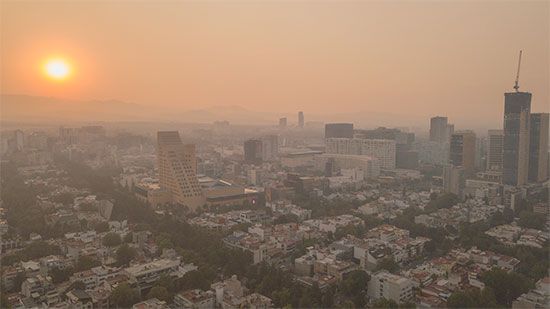
Pollution in India is defined as the environmental contamination of air, water, land, and soil, occurring when substances are added to the environment at a…
What is pollution in India?
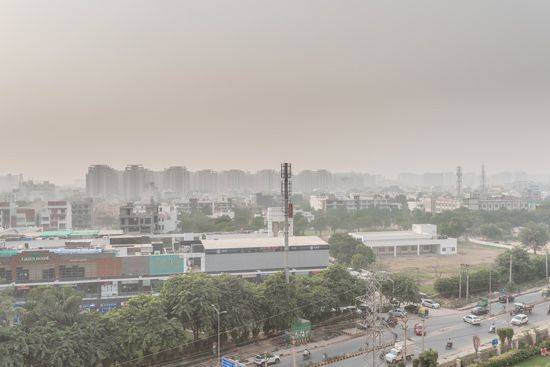
Pollution in India is defined as the environmental contamination of air, water, land, and soil, occurring when substances are added to the environment at a rate that exceeds its natural capacity to absorb them. This crisis is driven by rapid urbanization, high population density, and intensive industrial and agricultural activities.123
Key Impacts
- Public Health: Pollution significantly reduces life expectancy and causes millions of premature deaths annually. It is linked to respiratory diseases, childhood asthma, and cardiovascular issues, with health care costs reaching billions of dollars.415
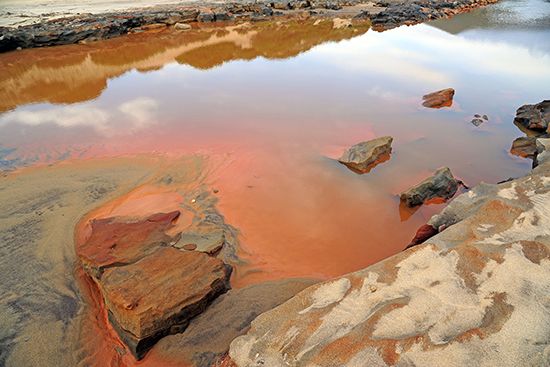
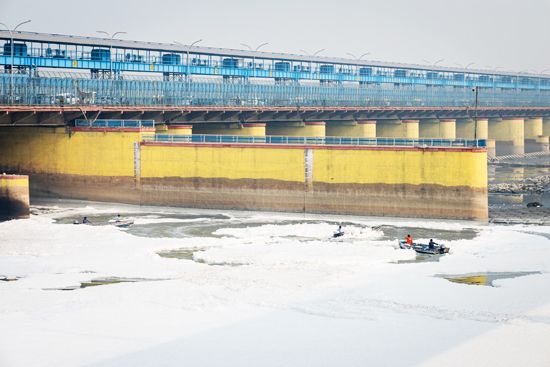
- Environmental Degradation: Industrial effluents and agricultural runoff have severely degraded rivers, such as the Ganges and Yamuna, leading to toxicity and loss of aquatic life.26
- Urban Challenges: Many Indian cities rank among the world’s most polluted, with Delhi frequently cited as the most polluted capital city.1
While the government has implemented measures like the National Clean Air Programme and the Swachh Bharat Mission, enforcement remains inconsistent due to resource constraints and regulatory challenges.27
How does stubble burning contribute to seasonal smog in India?
Stubble burning is a significant contributor to seasonal smog in northern India, particularly during October and November. This practice involves farmers burning crop residue after the summer harvest to clear their fields quickly for the winter cropping period.9
The process contributes to hazardous air quality through the following mechanisms:
- Smoke Generation: The burning of stubble releases large quantities of smoke and pollutants into the atmosphere.910
- Atmospheric Transport: Prevailing winds from the northwest carry this smoke across the Indo-Gangetic Plain.9
- Meteorological Trapping: During the winter months, the region experiences low air pressure, which traps these pollutants near the ground.910
- Formation of Smog: This trapped smoke combines with other local pollutants—such as industrial emissions, vehicle exhaust, and smoke from Diwali fireworks—to create a thick, hazardous smog over Delhi and surrounding areas.10113
While alternatives like mechanized stubble removal exist, they are often costly and time-consuming for farmers, leading to the continued reliance on burning.9
What are the main differences between renewable and fossil fuel energy sources?
The primary distinction between renewable and fossil fuel energy sources lies in their availability and environmental impact.
Availability and Replenishment
- Renewable Energy: These sources are naturally replenished on human timescales. They include solar power, wind power, hydroelectric power, geothermal energy, tidal power, and biofuels.1213
- Fossil Fuels: Sources such as coal, petroleum, and natural gas are finite. They formed over millions of years from ancient organic matter and cannot be replenished once consumed.1314
Environmental Impact
- Emissions: Fossil fuel combustion releases carbon dioxide and other greenhouse gases, which are primary drivers of global warming and the greenhouse effect. Additionally, they emit air pollutants like sulfur dioxide and particulate matter, which contribute to smog, acid rain, and various human health issues.13
- Clean Energy: Renewable energy is often called clean energy because it generates significantly lower emissions, making it a critical tool in efforts to combat the climate crisis.1213
How does rapid urbanization affect the environment in developing countries?
Rapid urbanization in developing countries often occurs at an accelerated pace, leading to significant environmental degradation as infrastructure struggles to keep up with population growth. Key environmental impacts include:
Habitat Destruction and Land Use
To accommodate expanding populations, natural landscapes are frequently cleared, paved, and graded. This destruction of wildlife habitat fragments ecosystems, forcing species into dangerous, human-dominated areas. Furthermore, the replacement of vegetation with impermeable surfaces like roads and buildings prevents water absorption, which increases the risk of local flooding and carries chemical pollutants into water systems.15
Pollution and Waste Management
- Air Quality: Rapid, often unplanned growth leads to traffic congestion and increased reliance on personal vehicles, which, combined with industrial emissions, contributes to severe air pollution and the formation of smog.15161
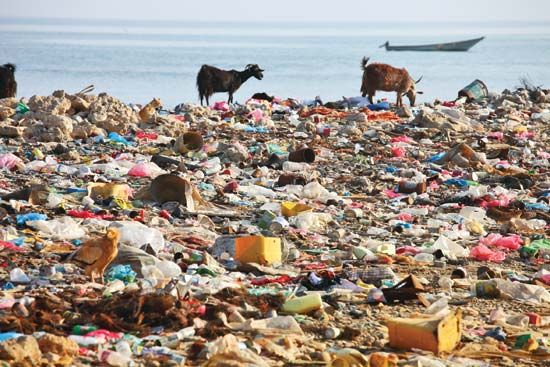
- Waste Accumulation: In many developing nations, municipal solid waste management systems are overwhelmed. Inefficient collection and processing lead to massive landfills, which can contaminate groundwater and cause toxic landfill fires that further degrade air quality.17
Urban Climate Effects
Urbanization alters local climates, creating “heat islands” where cities become significantly warmer than surrounding rural areas due to the absorption of solar energy by masonry and asphalt. These conditions, coupled with high pollutant concentrations, can lead to temperature inversions that trap harmful air quality at ground level, posing severe risks to public health.1618
Sources
- pollution in India - Consequences for health — Encyclopædia Britannica
- pollution in India - Causes — Encyclopædia Britannica
- pollution in India - Solutions — Encyclopædia Britannica
- pollution in India - Pollutant buildup in rivers — Encyclopædia Britannica
- pollution in India - Industrial emissions — Encyclopædia Britannica
- Environment and sustainable development in India - Ecological overview — Encyclopædia Britannica
- pollution in India — Encyclopædia Britannica
- pollution in India - Vehicle emissions — Encyclopædia Britannica
- pollution in India - Modern agricultural practices — Encyclopædia Britannica
- pollution in India: Top Questions — Encyclopædia Britannica
- Delhi - Climate — Encyclopædia Britannica
- renewable energy: Top Questions — Encyclopædia Britannica
- renewable energy — Encyclopædia Britannica
- Alternative energy — Encyclopædia Britannica
- urban sprawl - Environmental costs — Encyclopædia Britannica
- urban sprawl: Top Questions — Encyclopædia Britannica
- population - Geographical distribution and urbanization — Encyclopædia Britannica
- urban climate — Encyclopædia Britannica
- heat island — Merriam-Webster
- pollution in India - Waste management issues — Encyclopædia Britannica
- waste management in India — Encyclopædia Britannica
- Gulf Arab States: Top Questions — Encyclopædia Britannica
Published on · 3 min read